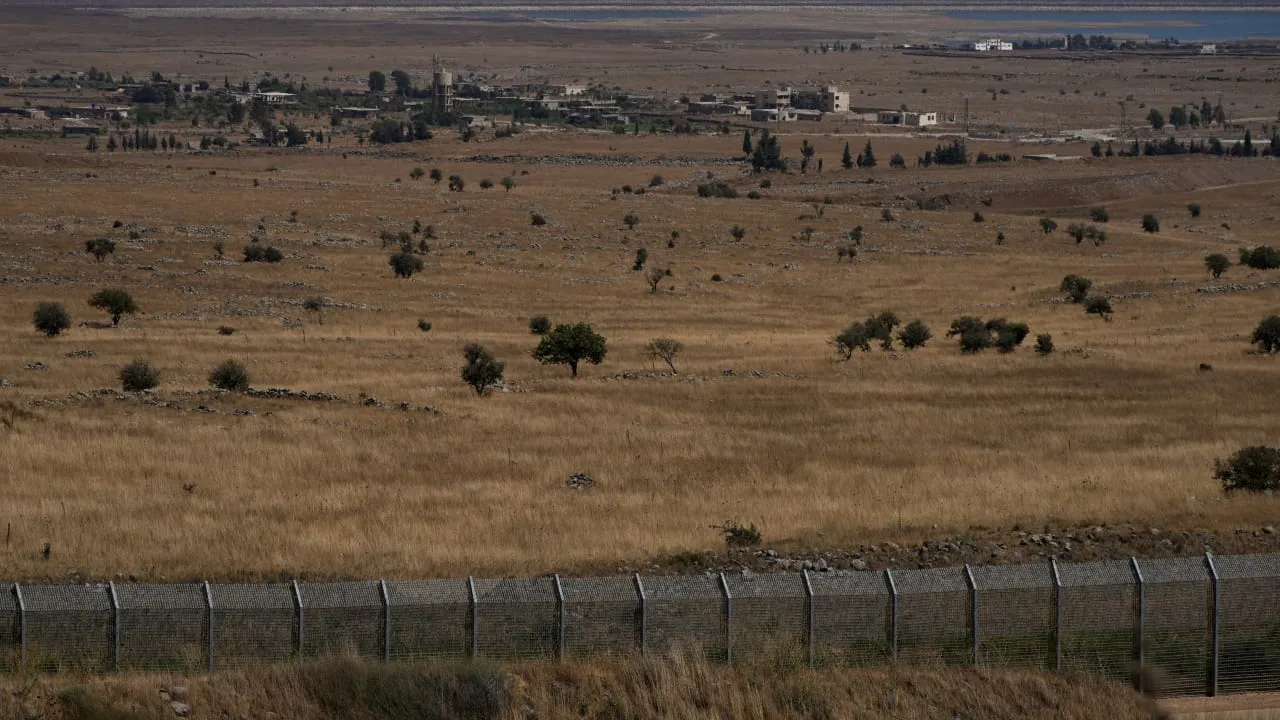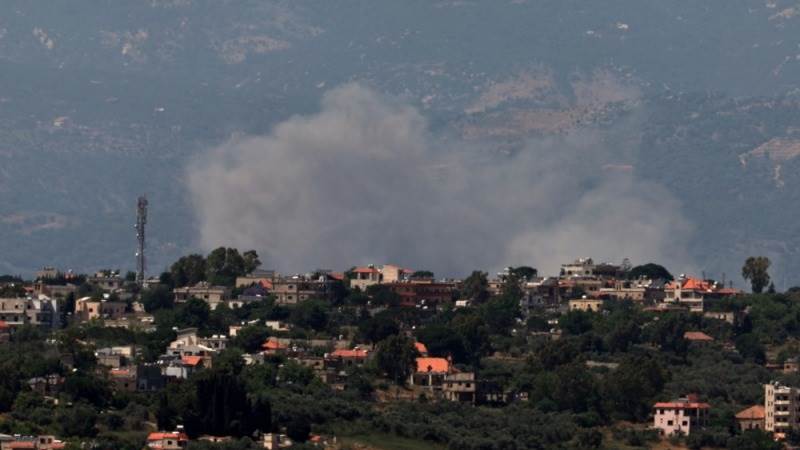
The Israel Defense Forces (IDF) reported on Thursday that its troops targeted Hezbollah infrastructure, including weapons depots, in the Nabatieh area in southern Lebanon. The strikes occurred in response to recent Hezbollah drone attacks, specifically two explosive drones launched by the Iran-backed group. The IDF statement indicated that the operation aimed to degrade the capabilities of the Iran-backed group within Lebanon, emphasizing a direct and immediate retaliation for the hostile actions. These military actions show the persistent tensions along the border and the Israeli military's policy of responding to perceived threats.
IDF Retaliation Details
The Israel Defense Forces stated the strikes were a direct response to Hezbollah's actions overnight Thursday. "The strikes were carried out in response to the Hezbollah terrorist organization's actions overnight (Thursday) against IDF soldiers operating in the Ali-Taher Ridge within the Security Zone, in which they launched two explosive drones toward IDF soldiers," the military confirmed. This specific targeting of Hezbollah assets in southern Lebanon notes the IDF's intent to deter further aggression and protect its personnel. No IDF injuries were reported during the drone incident, a fact that was also confirmed by the military. This article is estimated to be a 1-minute read, providing a concise overview of the latest developments in the region.
Hezbollah's Drone Assault
Hezbollah launched two explosive drones toward Israel Defense Forces (IDF) soldiers operating in the Ali-Taher Ridge, located within the Security Zone. The IDF confirmed the drone attack occurred overnight on Thursday, marking a significant escalation in the ongoing exchanges. Despite the assault, no injuries were reported among IDF personnel from the incident, a testament to the preparedness of the forces. The operation by the Iran-backed group prompted immediate retaliation from Israeli forces, targeting infrastructure in southern Lebanon. The IDF described the drone launches as actions by a "terrorist organization" and stated that the subsequent strikes were a direct response to these specific events, aiming to neutralize the immediate threat and deter future attacks. The Ali-Taher Ridge is a key area in the region, and the drone attack signifies an escalation in the ongoing exchanges between the two parties, demonstrating Hezbollah's continued willingness to engage in direct confrontations.
Lebanese Casualties Reported
Lebanese state media reported that the Israeli airstrikes in the country's south resulted in one fatality. The claim by the state media followed the Israel Defense Forces' (IDF) announcement of strikes targeting Hezbollah infrastructure in the Nabatieh area. These retaliatory strikes were conducted after Hezbollah launched two explosive drones towards IDF soldiers operating in the Ali-Taher Ridge. The reported casualty, as claimed by Lebanese state media, shows the human cost of the escalating tensions in the region as both sides exchange fire. Such reports often highlight the civilian impact of military operations, adding another layer of complexity to the conflict. The situation remains fluid, with both sides continuing to monitor developments closely.
Military Statement and Regional Impact
The report detailing the Israel Defense Forces' (IDF) strikes on Hezbollah infrastructure in southern Lebanon was published five hours ago, providing a timely account of the military's actions. The IDF had confirmed its operation targeted facilities, including weapons depots, in the Nabatieh area in response to drone attacks by Hezbollah. These military actions follow Hezbollah's launch of two explosive drones towards IDF soldiers operating in the Ali-Taher Ridge within the Security Zone. No IDF injuries were reported during the drone incident, which allowed the IDF to focus its response on infrastructure rather than immediate medical aid. Lebanese state media subsequently reported one fatality from the Israeli airstrikes in the country's south, a claim that adds to the narrative of casualties in the ongoing cross-border hostilities. The exchange of fire continues to raise concerns about broader regional destabilization.