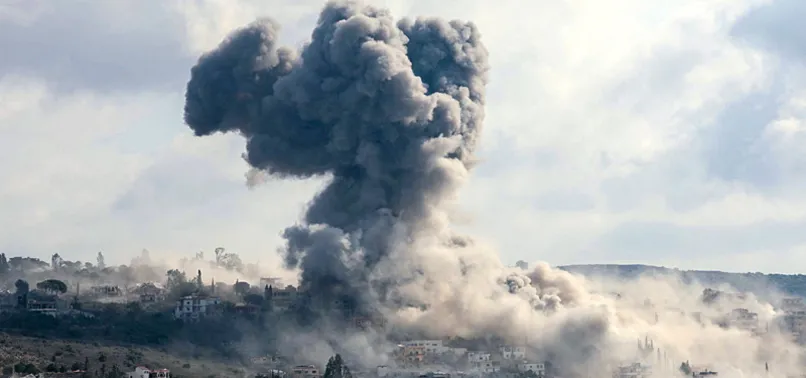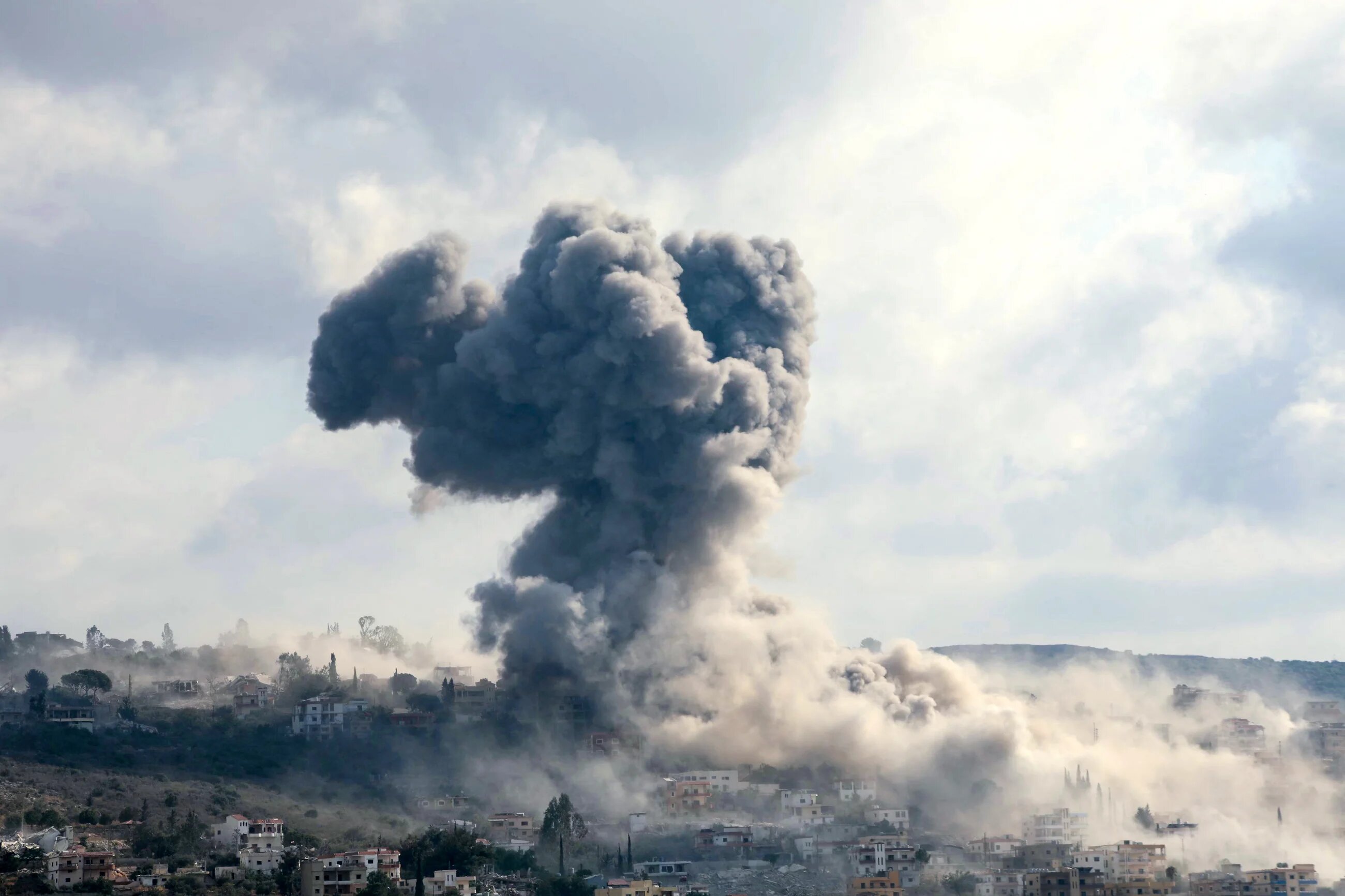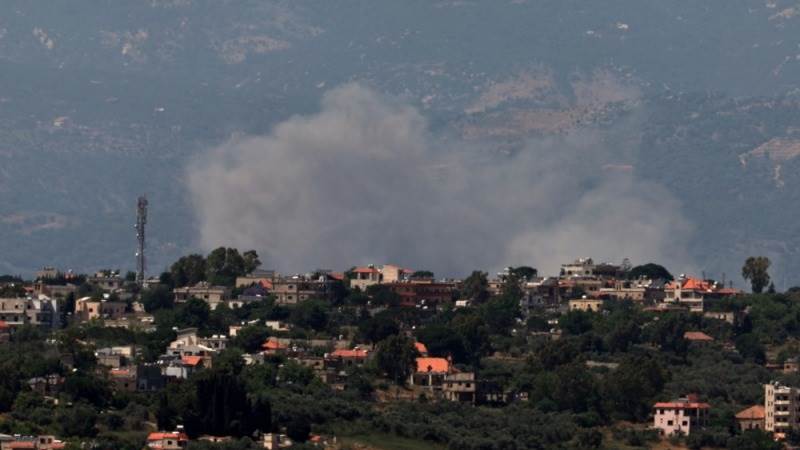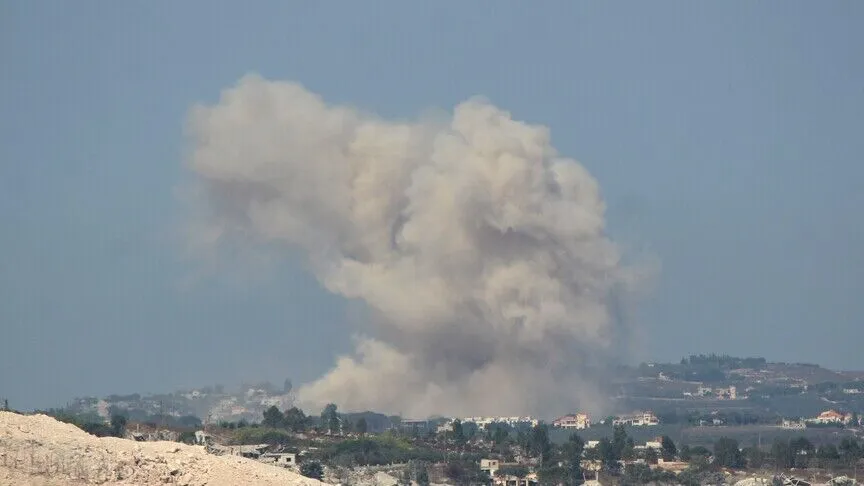
Israeli forces continued their military operations in southern Lebanon on Friday, employing both artillery and machine-gun fire against various targets within the region. These attacks specifically saw artillery shelling directed at the town of Houla, a residential area, and the nearby Wadi al-Salouqi, a significant topographical feature. These sustained military engagements are taking place amidst broader diplomatic discussions and ongoing efforts to establish a more stable environment in the border areas. The persistent nature of these operations shows the complex and volatile security situation prevailing in southern Lebanon, even as international efforts seek to de-escalate tensions.
Escalation in Southern Lebanon
The recent activities on Friday follow an intensification of operations by Israeli forces across southern Lebanon throughout Thursday, which marked a significant continuation of military activities in the border region. These intensified operations were full, including not only artillery shelling but also airstrikes and ground incursions into Lebanese territory. Several areas were directly affected by these actions, with reports specifically mentioning Mansouri and Mays al-Jabal as being among the targeted locations.
Israel has maintained a consistent pattern of military operations in Lebanon since launching a new offensive on March 2. This offensive initiated a period of heightened military engagement that has continued without significant pause. The ongoing engagements reflect a sustained military presence and activity along the border areas, impacting local populations and infrastructure. The continuous nature of these military actions notes the persistent security challenges and the active state of conflict in the region, drawing international concern regarding stability.
The scale and frequency of these operations have kept the southern Lebanese border in a state of elevated alert. Local residents and international observers alike are closely monitoring the situation as these military activities unfold. The use of varied tactics, from aerial bombardments to ground movements, indicates a full approach by Israeli forces in their ongoing campaign within Lebanese territory. These actions are consistently reported by local media and international monitors, painting a picture of an active front that remains a focal point of regional instability.
Framework Agreement Context
These military developments occur against a backdrop of significant diplomatic efforts aimed at resolving the long-standing tensions between Lebanon and Israel. A United States-mediated framework agreement was successfully reached between the two nations on June 26. This agreement represents a key step towards de-escalation and outlines a pathway for future stability.
The core tenets of the framework agreement stipulate a gradual withdrawal of Israeli forces from occupied Lebanese territory. This withdrawal is a key demand from the Lebanese side and is intended to restore sovereignty over areas currently under Israeli control. In exchange for this phased withdrawal, the framework outlines specific security provisions designed to ensure the stability of the border region. These provisions include the deployment of the Lebanese army to the southern border areas, a move intended to assert state control and maintain order. The agreement mandates the disarmament of armed groups operating in southern Lebanon, explicitly mentioning Hezbollah as a primary target for this measure.
Following the initial agreement, US-sponsored talks have continued without interruption. These ongoing discussions are focused on facilitating the practical implementation of the framework agreement. Diplomatic efforts are concentrated on ironing out the details of the withdrawal process, the precise modalities of the Lebanese army's deployment, and the mechanisms for disarming armed factions. The continuation of these talks shows the complexity of the agreement's terms and the commitment of all parties, including the United States as a mediator, to seeing its provisions realized. Despite the ongoing military actions, the diplomatic channel remains active, indicating a dual approach of military pressure and diplomatic negotiation.
Uncertainty and Future Steps
As of the immediate aftermath of the recent Israeli military actions in southern Lebanon, no information was immediately available regarding casualties or the extent of damage sustained. The lack of specific details concerning human impact or material destruction contributes significantly to the prevailing uncertainty surrounding the true scope and consequences of the ongoing operations. This absence of immediate information makes it challenging for humanitarian organizations and local authorities to assess the needs of affected populations or to provide a full overview of the situation on the ground. The ongoing nature of these military activities, combined with the lack of immediate verified data, creates a volatile and unpredictable environment for residents in the affected areas.