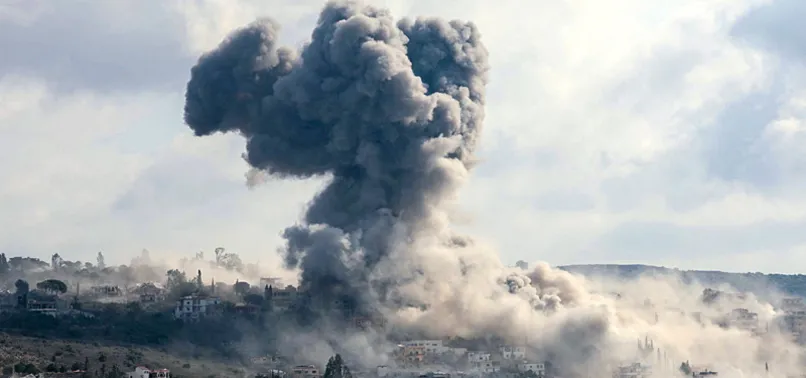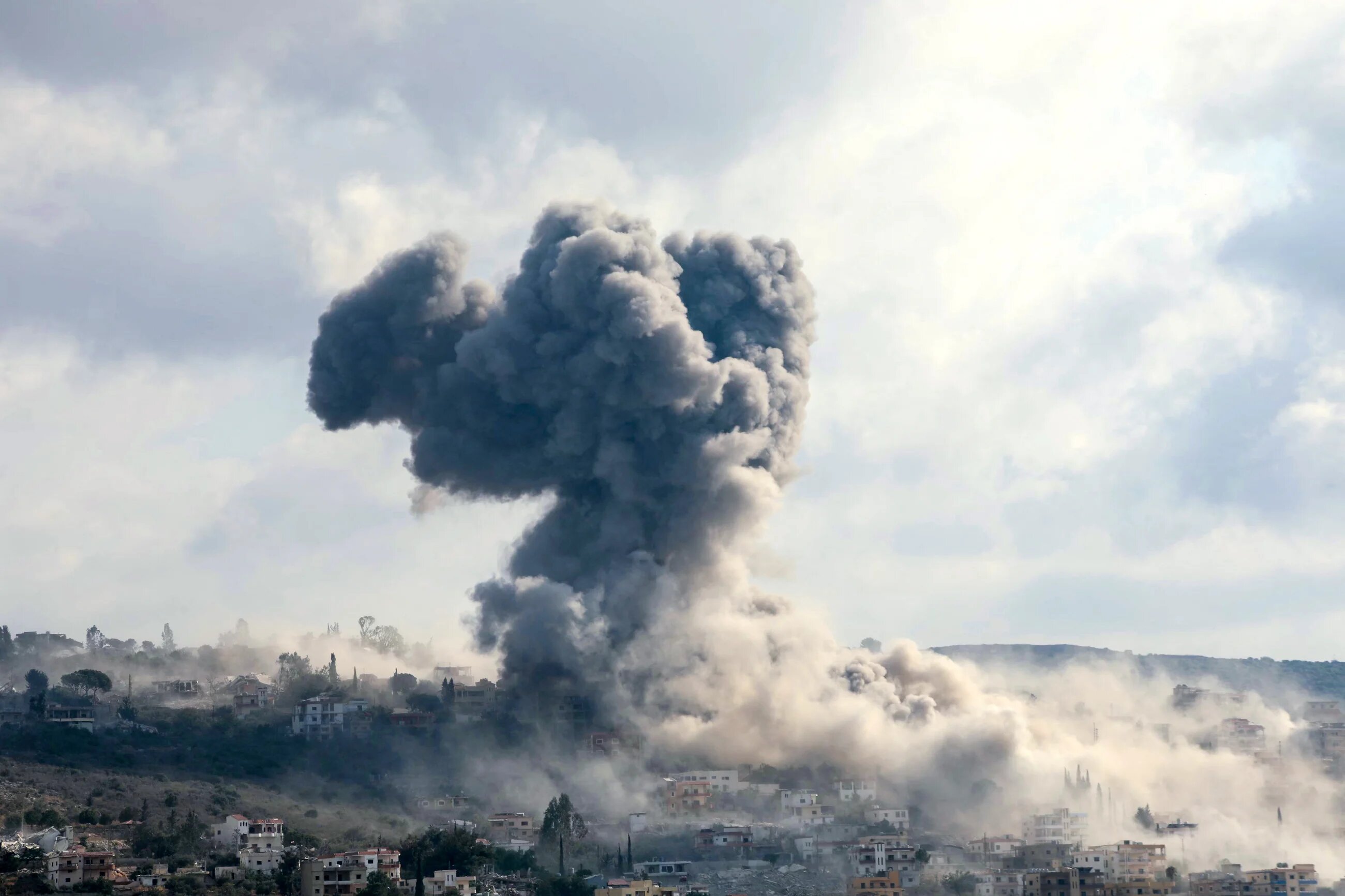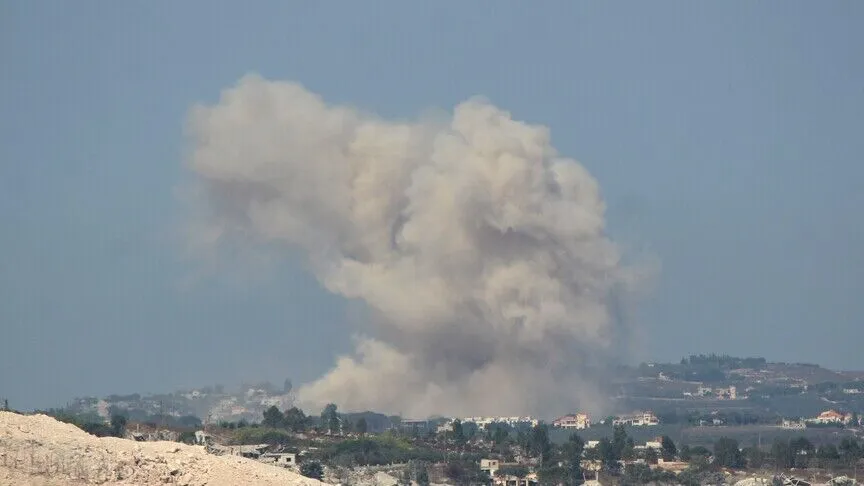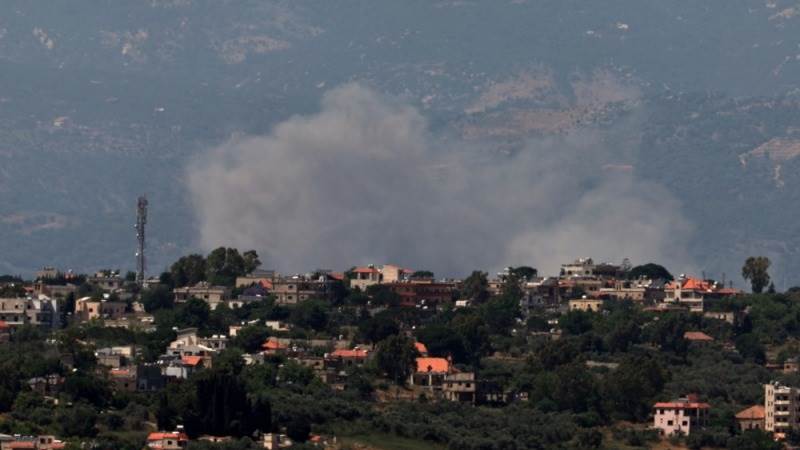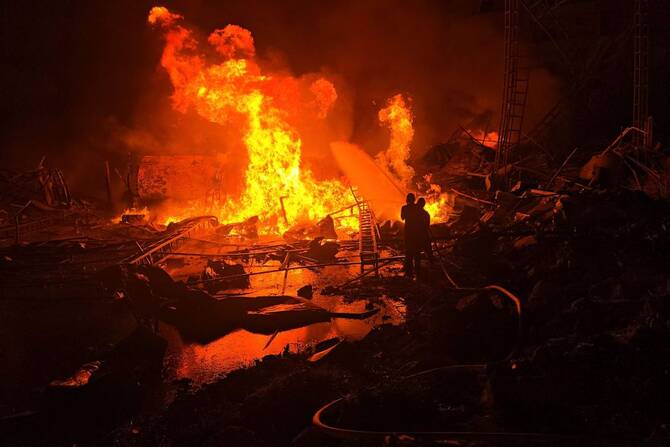
Lebanon's National Commission for International Humanitarian Law has compiled a full report detailing alleged Israeli violations within Lebanese territory, documenting incidents as part of ongoing efforts to record such events. This extensive report, a significant undertaking by the commission, systematically records and analyzes actions attributed to Israel. These documentation efforts proceed despite a framework agreement reached between Lebanon, Israel, and the United States, which contains a specific provision that introduces complexities for future legal actions. The provision in question explicitly prevents Lebanon from pursuing prosecution against Israel before international courts during the negotiation period established by the agreement. This stipulation places a temporary but significant barrier on Lebanon's ability to seek international legal recourse, even as the documentation of alleged violations continues.
Documenting Israeli Violations
The report meticulously details incidents from the latest Israeli military campaign in Lebanon, occurring within the broader conflict that has been ongoing since October 8, 2023. This conflict has seen a series of escalations and military actions that have prompted the Lebanese authorities to intensify their documentation efforts. The compiled file contains thousands of pages of reports and documented evidence, according to officials, reflecting the scale and thoroughness of the commission's work. The legal framework for the report is firmly founded on the four Geneva Conventions of 1949 and customary international humanitarian law, principles that underpin international humanitarian law and define acceptable conduct in armed conflict. The findings draw extensively on open-source evidence and information released by official bodies and human rights organizations, ensuring a broad and verifiable basis for the claims presented. Tarek Mitri, Deputy Prime Minister and chair of the government commission, stated that the objective of the documentation is "preserving the national memory," emphasizing, "We do not want to repeat the experience of Lebanon’s civil war." He added, "Following the general amnesty in the 1990s, which exempted perpetrators from accountability, there was a loss of memory. The unity of peoples is built around a shared memory." This focus on memory and accountability shows the long-term vision behind the commission's work, aiming to prevent historical omissions that could hinder national reconciliation and justice.
Mitri contends that Israel violates international humanitarian law and possesses "a long record of doing so," a claim substantiated by the detailed findings within the report. He noted that violations occurring in Lebanon are "increasingly resembling those in Gaza," stating, "Lebanon is not an exception, and the violations taking place here are increasingly resembling those in Gaza." This comparison notes a perceived pattern of conduct across different operational theaters. Systematic Israeli destruction has impacted hundreds of schools and hospitals, thousands of homes, and agricultural land amounting to 22 percent of Lebanon’s cultivated area, demonstrating the widespread impact of the alleged violations on civilian infrastructure and livelihoods. Attacks on Beirut alone resulted in the deaths of more than 300 people and injured more than 1,200 within a 10-minute period, illustrating the intense and devastating nature of some of these incidents. Mitri observed, "I was surprised by the scale of criticism directed at Israel from international platforms." He noted that "Even the International Committee of the Red Cross stepped beyond its usual restraint, and I found in its president a woman determined to convene a conference to renew states’ commitment to the laws of war." This international outcry, even from traditionally neutral bodies, points to the gravity of the situation as perceived by the global community.
Mitri criticized the handling of the framework agreement, saying, "The Lebanese negotiator should have been aware of this before signing the framework agreement." He also noted that "The framework agreement was not presented to the Council of Ministers, and we have not discussed it in any Cabinet session since it was signed on June 26." This lack of governmental oversight and discussion raises questions about the transparency and democratic legitimacy of the agreement. Consequently, he affirmed, "Therefore, we in the National Commission are continuing our documentation work with a view to using it in international forums." Mitri explained that "The process is being carried out by volunteers and civil society organizations active on the ground, and there is an inability to access many of the places where violations are taking place." This reliance on external support and the challenges of access show the operational difficulties faced by the commission. He also mentioned that "Relevant ministers do not always have verified information about the violations, while people close to Hezbollah have withheld from us the number of prisoners being held by Israel," further complicating the information gathering process. Mitri described the intent behind some actions, stating, "The objective was to strike densely populated civilian environments." He acknowledged that "The road toward prosecuting Israel is a long one," and observed that "The current Lebanese government, like those before it, has so far not reversed Lebanon’s decision not to join the Rome Statute." He concluded, "And I do not believe it will do so," indicating a pragmatic assessment of Lebanon's current political will and legal standing.
Legal and Political Hurdles
The path to prosecuting Israel is indeed a lengthy one, according to Tarek Mitri. He stated, "The road toward prosecuting Israel is a long one," a sentiment echoed by the complex legal and political landscape. This process is further complicated by several factors, including a framework agreement signed on June 26. This agreement, according to Mitri, effectively compelled Lebanon to accept its terms because Israel threatened to pursue Lebanon over harboring a terrorist organization. This perceived coercion notes the difficult geopolitical pressures under which Lebanon operates. The specific provision within the agreement prevents Lebanon from pursuing prosecution against Israel before international courts during the negotiation period, placing a significant restriction on Lebanon's immediate legal options.
UNIFIL, the United Nations Interim Force in Lebanon, has been actively documenting incidents within its designated area of operations south of the Litani River. These documented reports have subsequently been provided to the commission, contributing significantly to the broader evidence collection efforts. The documentation gathered by UNIFIL and other bodies aims to support potential future legal actions, despite the existing political and legal obstacles. This collaboration with international bodies is key for building a strong case, even if immediate prosecution avenues are limited. The current report offers more detailed documentation and legal analysis of individual incidents than a previous report on the 2023-2024 conflict, reflecting an evolving and increasingly sophisticated approach to evidence gathering and legal argumentation.
Mitri also noted a significant legal barrier: Lebanon is not a party to the Rome Statute, which is the treaty that established the International Criminal Court (ICC). This means Lebanon lacks direct access to the ICC for prosecuting alleged war crimes or crimes against humanity, a fundamental limitation for seeking justice through this particular international body. Mitri has previously noted that the current Lebanese government, much like its predecessors, has not reversed Lebanon’s decision not to join the Rome Statute, and he does not anticipate such a change. This non-ratification limits the avenues available for Lebanon to bring cases against Israel in international judicial bodies like the ICC. The absence of ratification requires alternative strategies for accountability, often relying on documentation for other international forums or potential future legal shifts, such as through universal jurisdiction in national courts of other states or through ad hoc tribunals if established.
Preserving Memory and Future Action
Deputy Prime Minister Tarek Mitri oversees the documentation process and chairs the government commission, which has produced a report offering more detailed analysis of individual incidents than a previous report on the 2023-2024 conflict. This enhanced level of detail and legal scrutiny aims to build a stronger foundation for any future legal challenges. Mitri presented the unfinished report to the UN Human Rights Council during its 62nd session in June, signaling Lebanon's intention to engage with international bodies on these issues. He stated that the documentation effort is aimed at "preserving the national memory," showing the importance of historical record-keeping for national identity and future justice. Mitri added, "We do not want to repeat the experience of Lebanon’s civil war," explaining that "Following the general amnesty in the 1990s, which exempted perpetrators from accountability, there was a loss of memory. The unity of peoples is built around a shared memory." This historical context provides a powerful motivation for the current documentation efforts, seeking to avoid past mistakes where accountability was bypassed.
Mitri further noted that "Israel violates international humanitarian law and has a long record of doing so," and that "Lebanon is not an exception, and the violations taking place here are increasingly resembling those in Gaza." These statements draw a stark parallel between the situations, suggesting a consistent pattern of alleged violations. The documentation effort, however, suffers from the absence of a clear institutional structure and relies heavily on volunteers and civil society organizations. Mitri also mentioned that "The process is being carried out by volunteers and civil society organizations active on the ground, and there is an inability to access many of the places where violations are taking place." These operational challenges highlight the resource constraints and security risks involved in gathering evidence in conflict-affected areas.
Nasser Yassin, director of the Arab Center, stated that the world is normalizing genocide, observing, "We have entered a world that is normalizing genocide." Yassin added, "We deal with what is happening as though it were something ordinary, while systematic Israeli destruction has affected hundreds of schools and hospitals, thousands of homes, and land that has been destroyed or burned, amounting to 22 percent of Lebanon’s cultivated area." This strong condemnation from Yassin reflects a deep concern about the international community's response to the scale of the destruction. Mitri acknowledged, "I was surprised by the scale of criticism directed at Israel from international platforms. Even the International Committee of the Red Cross stepped beyond its usual restraint, and I found in its president a woman determined to convene a conference to renew states’ commitment to the laws of war." Approximately 60 states at the UN Human Rights Council regard Israel as increasingly isolated, suggesting a growing international consensus on the severity of the alleged violations and the need for renewed commitment to international humanitarian law. This perceived isolation could potentially create an environment more conducive to future legal actions, despite the current hurdles.