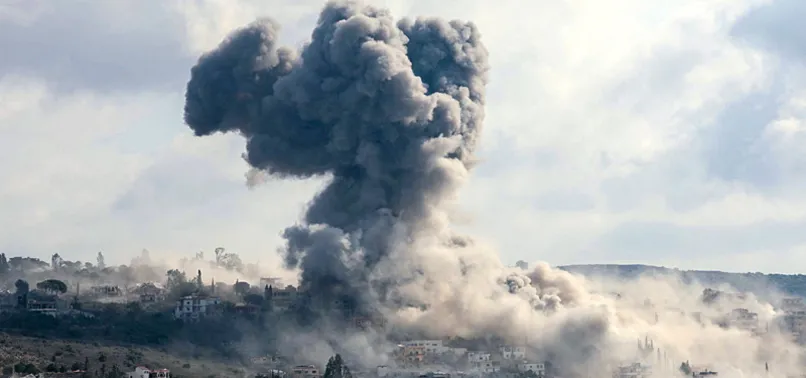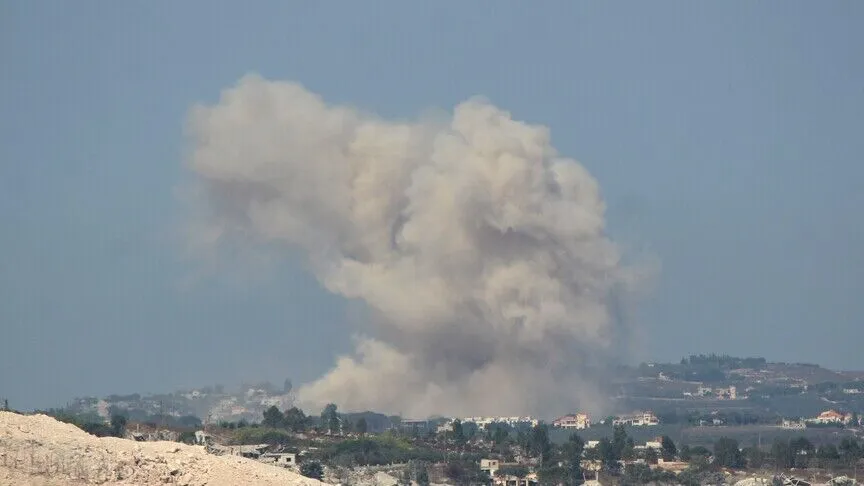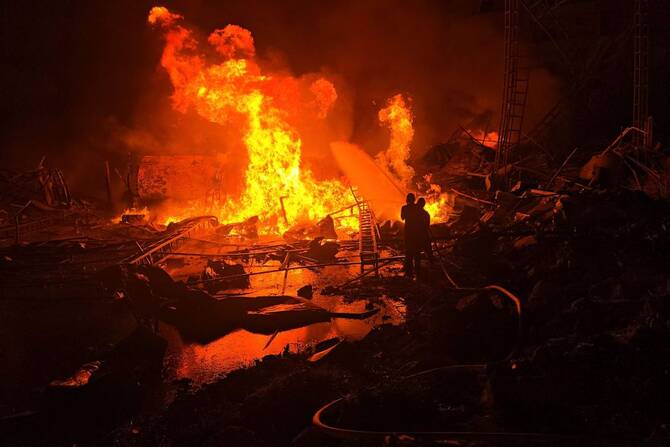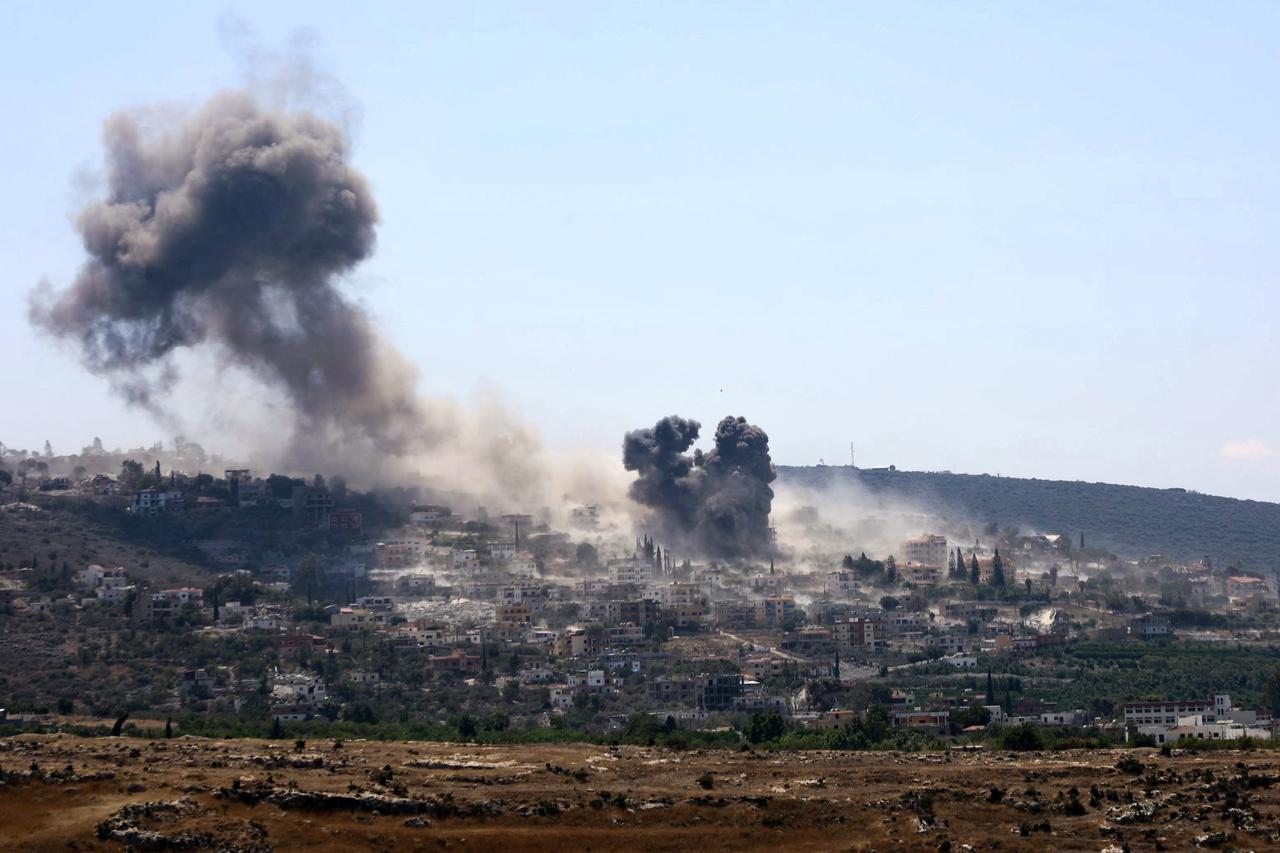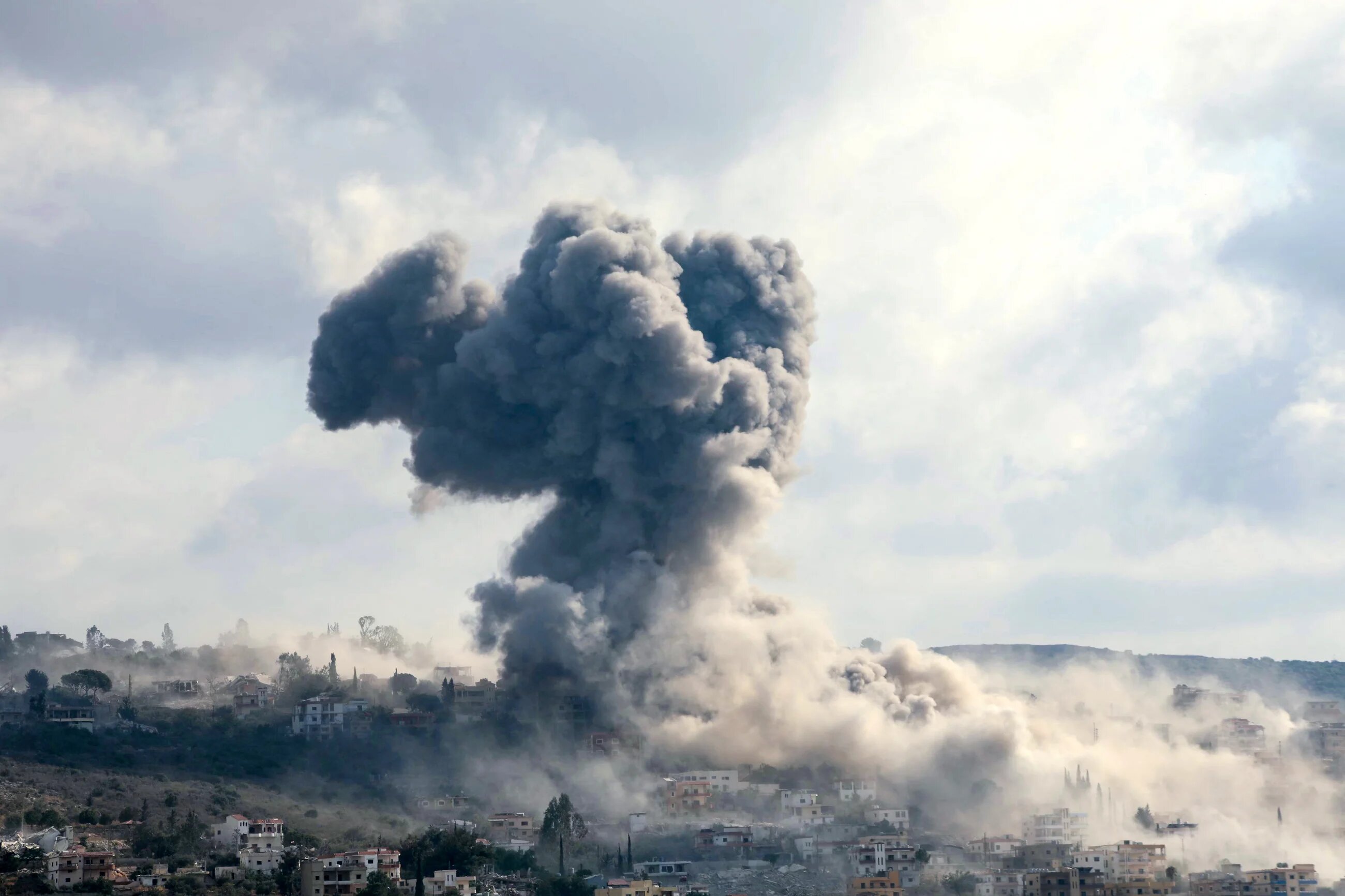
The United Nations Interim Force in Lebanon (UNIFIL) documented 1,030 projectile trajectories in south Lebanon between August 21 and 27, signaling ongoing conflict in the region. This substantial number reflects a period of heightened activity in the volatile border area. The peacekeeping mission stated that the number reflects a "continuing toll on civilians," showing the human cost of the hostilities. UNIFIL added, "Behind these numbers is a continuing toll on civilians, with homes and vital infrastructure damaged and communities struggling to recover." The recorded launches highlight the persistent dangers faced by residents and the broader impact on local infrastructure, which is critical for the everyday lives of those living in south Lebanon. The mission's consistent monitoring provides key insights into the evolving security landscape.
Intense Week of Launches
The documented 1,030 projectile launches in south Lebanon between August 21 and 27 average to 147 projectile launches per day. This sustained level of activity shows the volatile security situation in the region, indicating a consistent exchange of fire over the seven-day period. The United Nations Interim Force in Lebanon (UNIFIL) has consistently monitored the area, noting the significant impact on civilian life and the constant threat posed by such intense activity. The daily average of launches reflects the intensity of the exchanges recorded by the peacekeeping mission throughout the week, providing a clear measure of the operational tempo. UNIFIL's data points to a persistent threat to residents and critical infrastructure in the region, necessitating continuous vigilance and efforts to de-escalate tensions. The daily trajectory count serves as a stark reminder of the ongoing challenges to peace and stability.
Ongoing Civilian Impact
Homes and vital infrastructure have sustained damage in south Lebanon, according to UNIFIL. The peacekeeping mission reported that communities in the area are struggling to recover from the impact of the ongoing conflict, facing immense challenges in rebuilding their lives and properties. This situation reflects a significant strain on the civilian population, who face persistent threats to their safety and livelihoods, often having to contend with displacement and disruption. The damage extends beyond immediate destruction, affecting the long-term stability and functionality of local infrastructure essential for daily life, including roads, utilities, and public services. UNIFIL's observations highlight the broader humanitarian consequences of the sustained projectile launches, emphasizing the challenges faced by residents attempting to rebuild and restore normalcy amidst the volatile security environment. The mission continues to document these impacts to inform its peacekeeping efforts and humanitarian partners.
Context and Fragility
Levels of violence observed in south Lebanon are currently lower compared to earlier this year, offering a comparative perspective on the intensity of recent hostilities. This assessment provides context to the ongoing situation, even as projectile launches continue to be a significant concern. The United Nations Interim Force in Lebanon (UNIFIL) has been monitoring these trends, noting fluctuations in the intensity of hostilities over recent months, which allows for a more nuanced understanding of the conflict dynamics. Despite the documented decrease from peak levels experienced earlier in the year, the sustained number of projectile trajectories recorded still indicates a volatile environment that could escalate at any moment. The mission's ongoing observations show the persistent challenges to stability in the region, requiring continuous diplomatic and security efforts. The current reduced intensity does not negate the impact on civilians and infrastructure, which remains a significant concern for UNIFIL as it continues its peacekeeping mandate in south Lebanon, working towards a more stable future.
UNIFIL's Warning
The United Nations Interim Force in Lebanon (UNIFIL) emphasized that the situation in south Lebanon remains fragile. This assessment shows the persistent instability despite fluctuations in the intensity of hostilities, noting that even periods of reduced violence are precarious. The peacekeeping mission continues to monitor the area closely, noting the ongoing challenges to maintaining peace and security in the region and protecting civilian lives. UNIFIL's presence remains key in observing, documenting, and reporting on the situation, while also working to prevent further escalation through its liaison and coordination mechanisms. The mission's warning serves as a critical reminder to all parties of the need for restraint and adherence to Resolution 1701.