The United Nations welcomed reports of a new ceasefire agreement between Israel and Hezbollah on Friday, a development that signals a potential, albeit fragile, pause in the escalating conflict. The provisional deal has been met with a significant caveat from Israel, which indicated it is not bound by the terms of the arrangement. This stance introduces an element of uncertainty regarding the durability and effectiveness of the proposed ceasefire, even as international efforts push for de-escalation. Separately, UN independent human rights experts issued a stark warning regarding broader regional agreements currently under negotiation. The experts stated that any agreement failing to address persistent human rights abuses inside Iran would be "fundamentally incomplete," showing the critical need to integrate human rights considerations into full peace frameworks. This notes ongoing concerns about human rights alongside efforts to de-escalate regional tensions, suggesting that a lasting peace must encompass more than just an end to hostilities.
Ceasefire Developments and UN Monitoring
UN Spokesperson Stéphane Dujarric confirmed that the United Nations was aware of reports indicating that Israel and Hezbollah had agreed to a ceasefire. Dujarric welcomed the development, emphasizing the UN's consistent position on the conflict. He renewed calls on all parties "to cease hostilities, respect existing ceasefire arrangements and pursue dialogue as the only viable path to long-term security and stability." Despite the UN's welcome, neither Israel nor Hezbollah have publicly confirmed the renewed ceasefire commitment, leaving the precise details and operational status of the agreement ambiguous. The lack of public confirmation from the principal parties involved notes the delicate and often opaque nature of these high-stakes negotiations.
The fragility of the situation was further showed by diplomatic setbacks. Negotiations between the United States and Iran in Switzerland, which aimed to advance the provisional deal, had been postponed due to Israeli strikes on Lebanon earlier on Friday. This interruption illustrates how rapidly ground-level events can impact diplomatic progress, even for agreements that are provisionally in place. The UN Interim Force in Lebanon (UNIFIL) continued its key role in monitoring activity in the region, providing vital, real-time data on the intensity of the conflict.
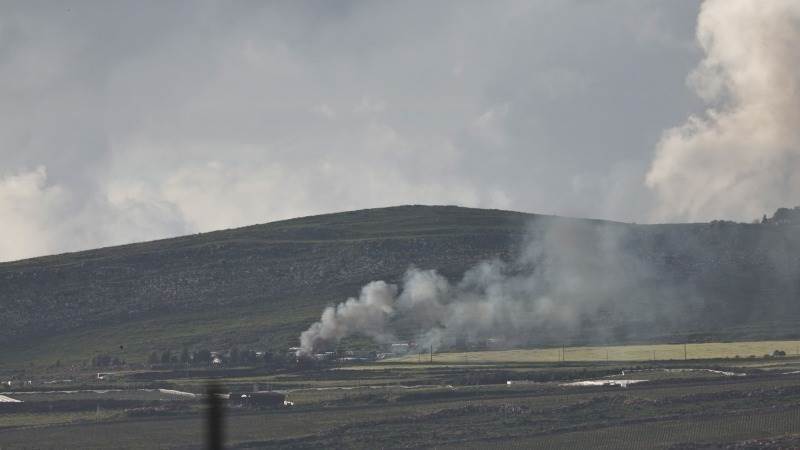
UNIFIL's monitoring reports painted a clear picture of the volatile environment preceding the ceasefire reports. On Thursday, UNIFIL detected 52 Israeli airspace violations, indicating frequent incursions into Lebanese territory. The monitoring force also recorded a total of 217 projectile trajectories within a single day, with 188 attributed to the Israel Defense Forces and 29 to Lebanese non-State actors, demonstrating active engagement from both sides. The situation escalated significantly by Friday. From midnight to 4pm local time on Friday, UNIFIL recorded a substantial increase in activity, documenting 748 trajectories. Of these, a vast majority, 695, were attributed to Israeli forces, while 53 were attributed to non-State actors. Additionally, within the same timeframe, UNIFIL documented 49 airspace violations and 51 airstrikes conducted by Israeli forces, reflecting an intensified period of military operations just hours before reports of a ceasefire emerged. These figures show the urgent need for a durable cessation of hostilities.
Humanitarian Impact and Shelter Returns
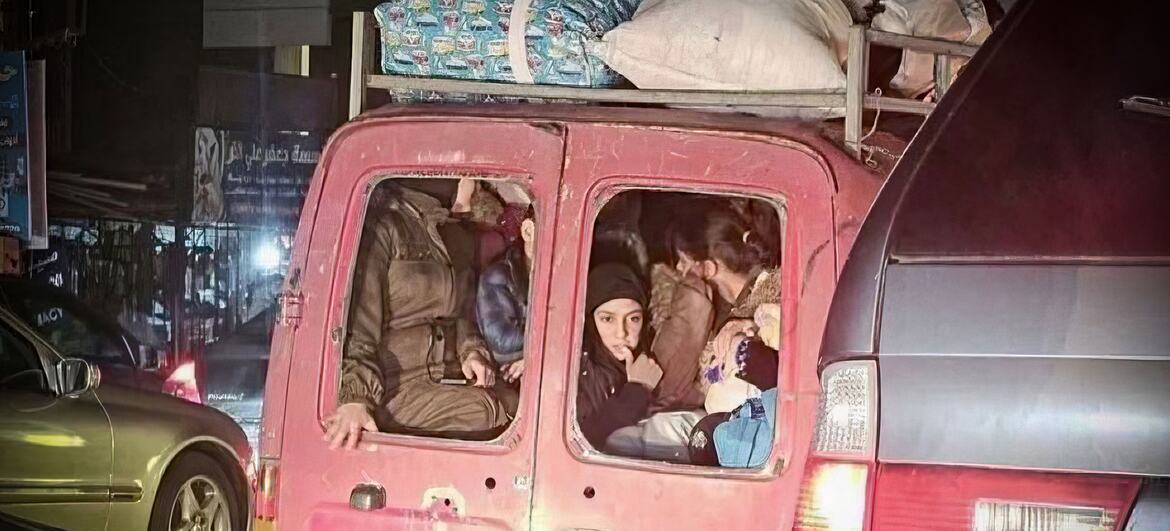
The immediate human impact of the fluctuating conflict was evident in the movements of displaced populations. Many families who had left following the recent agreement, likely seeking a return to normalcy or safer areas, were reported by site managers to be returning to shelters. This movement shows the volatile situation on the ground despite ongoing diplomatic efforts, as families are forced to seek refuge once again in response to renewed hostilities or the perceived instability of any ceasefire.
The scale of this displacement and return was significant in specific locations. In one particular shelter, nearly half of the individuals who had departed earlier in the week had returned by Friday morning, indicating a continued and pressing need for safe havens and a deep-seated uncertainty about the security situation. The fluctuating population in these facilities reflects the broader uncertainty and fear experienced by displaced communities, who remain highly vulnerable to shifts in the conflict. This constant movement places immense strain on humanitarian resources and infrastructure.
In Saida, a critical hub for humanitarian operations, French and UK development ministers participated in a joint visit to a collective shelter. They were joined by UN humanitarian and resident coordinator Imran Riza during the visit, which aimed to assess the humanitarian conditions and needs of those affected by the ongoing situation. The presence of high-level international officials notes the global concern for the welfare of vulnerable populations in the region and the international community's commitment to supporting humanitarian efforts amidst the conflict. This visit also served to gather firsthand information on the challenges faced by displaced individuals and the organizations assisting them.
Broader Peace Deal and Iran Abuses
Beyond the immediate Israel-Hezbollah conflict, the ongoing fighting has tested a broader provisional agreement signed this week by Washington and Tehran. This full deal includes a key demand for a ceasefire on all fronts, indicating the interconnectedness of regional conflicts. UN independent human rights experts welcomed the signing of the 14-point Memorandum of Understanding between Washington and Tehran, recognizing its potential to address multiple facets of regional instability. The initial deal covered a wide array of critical issues, including military withdrawal from certain areas, the reopening of the strategically vital Strait of Hormuz chokepoint, commitments regarding nuclear weapons development to prevent proliferation, sanctions relief for Iran, and the establishment of a substantial $300 billion reconstruction fund aimed at rebuilding war-affected areas.
However, despite the breadth of this agreement, the human rights experts issued a pointed warning. They stated unequivocally that any agreement failing to address widespread rights abuses inside Iran would be "fundamentally incomplete," arguing that a truly lasting peace cannot ignore the suffering within a key signatory state. They noted with grave concern that thousands of civilian deaths have occurred in airstrikes on schools, hospitals, and residential areas within Iran, painting a grim picture of the human cost of the conflict within the country. Additionally, millions are internally displaced in Iran, facing profound humanitarian challenges and a lack of secure livelihoods.
The experts reported that thousands have been detained in Iran since the war began, with many reportedly subjected to severe human rights violations, including torture, forced disappearance, or mock executions. These practices represent serious breaches of international law and fundamental human dignity. The report further noted the alarming rate of capital punishment, stating that at least 156 individuals have been executed in Iran since the conflict started, including 42 on charges related to espionage and national security, raising questions about due process and fair trials. The human rights experts added that the plight of victims of human rights violations was "barely visible in this framework," despite the extensive nature of the broader agreement. They called for accountability to be placed squarely at the center of any lasting settlement, asserting that without justice for victims and a commitment to upholding human rights, any peace deal would lack true legitimacy and durability.