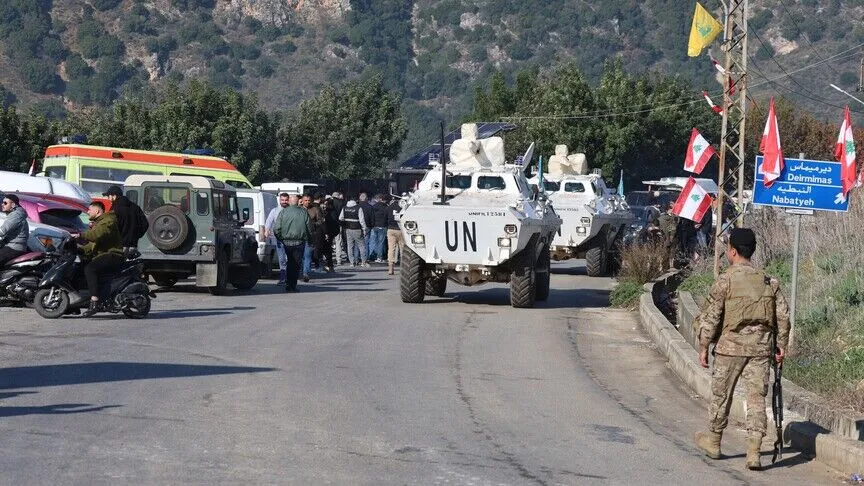
A group of United Nations experts warned on Wednesday that Israel's military actions in Lebanon could constitute war crimes and crimes against humanity. The experts issued a strong condemnation, stating that "evacuation is an exceptional and strictly temporary measure," emphasizing it "may only be used to protect the safety of civilians or for imperative military reasons, not to depopulate and occupy areas." They asserted that "taken together, Israel's military actions constitute a violation of international humanitarian law and its principles of distinction, proportionality and precautions in attack, as well as the prohibition on indiscriminate attacks, and may also amount to war crimes and crimes against humanity." This stern warning comes amidst growing concerns over the humanitarian situation in southern Lebanon.
Forced Displacement and Health Crisis
Israel's "immediate displacement orders" in Lebanon have reportedly resembled those previously issued in Gaza, raising concerns about systematic patterns of displacement. As a direct result of these orders and ongoing hostilities, civilians have been forcibly displaced from their homes, with tens of thousands prevented from returning to their residences. Reports indicate that additional Lebanese territory has been occupied by Israeli forces. The human toll of this displacement is significant: since March, an estimated 620,000 women and girls have been displaced from their communities. Among those displaced were approximately 16,000 pregnant women, a particularly vulnerable group. Many of these displaced pregnant women have reportedly given birth in overcrowded and unsafe conditions, a dire situation exacerbated by the destruction of critical health facilities and maternity services in the affected areas. The disruption of essential services poses severe risks to maternal and infant health.
Humanitarian Law Violations Alleged
Grave allegations have emerged regarding the use of white phosphorus munitions over residential areas in Lebanon, which could have devastating consequences for civilians. Since hostilities escalated on March 2, the region has witnessed a significant increase in casualties. More than 4,300 people have reportedly been killed in the country during this period. Among those fatalities, a disproportionate number of vulnerable individuals have been counted, including at least 392 women and 253 children. Additionally, reports indicate that over 12,000 other individuals have sustained injuries during the same period, placing immense strain on Lebanon's healthcare infrastructure. These figures highlight the severe impact of the conflict on the civilian population.
Calls for Compliance and Respect
The United Nations experts cited several actions as clear violations of international law, including forced displacement, attacks on civilians, and the destruction of essential health facilities. They showed the critical importance of adherence to established international norms. The experts urged Israel and all parties involved in the conflict to comply fully with international law, specifically mentioning international humanitarian law and international human rights law, which are designed to protect civilians during armed conflict. The experts called for respect for Lebanon’s sovereignty and territorial integrity, emphasizing the need to uphold the nation's internationally recognized borders and political independence.
Expert Commentary on Displacement and Resolution
United Nations experts stated unequivocally that Israel's military actions constitute a violation of international humanitarian law. These actions, they elaborated, infringe upon fundamental principles of distinction, proportionality, and precautions in attack, including the prohibition on indiscriminate attacks, and may also amount to war crimes and crimes against humanity. To address the ongoing situation and prevent further escalation, the experts further called for the immediate and full implementation of UN Security Council Resolution 1701. They also urged adherence to the 2024 cessation of hostilities arrangement, which is key for de-escalating tensions and protecting civilian lives. The experts' statement serves as a stark reminder of the international community's expectations regarding conduct in armed conflict.