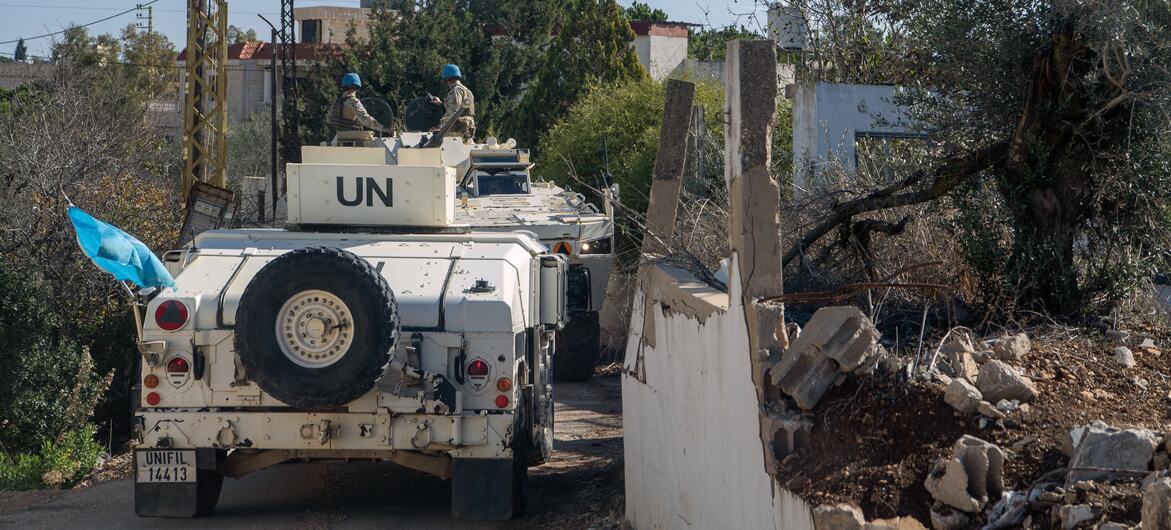
The United Nations has again called for freedom of movement for its peacekeepers in Lebanon, reiterating its demand for unrestricted movement for its personnel operating in the country. This appeal follows an incident where an Israeli tank aimed its weapon at a vehicle belonging to the UN Interim Force in Lebanon (UNIFIL). UNIFIL peacekeepers are stationed in south of the country to maintain stability. The UN shows the necessity for its personnel to carry out their mandate without impediment in the region, emphasizing that unimpeded access is key for their operations and the fulfillment of their mandate under UN Security Council Resolution 1701.
Escalating Cross-Border Fire
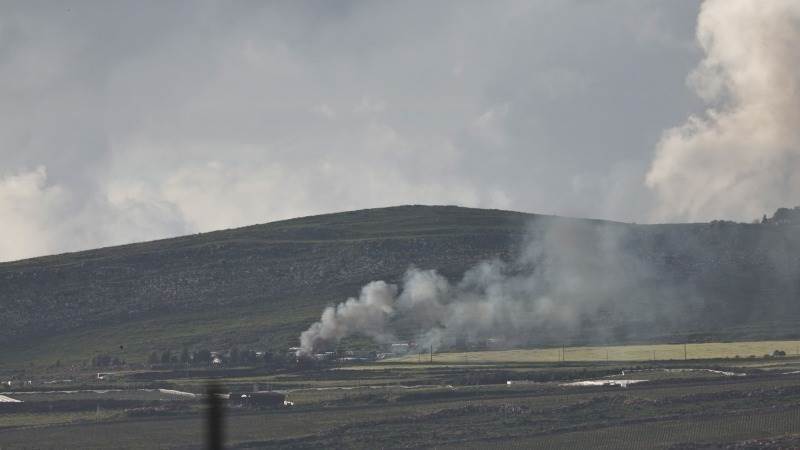
The security situation along the Blue Line remains volatile, marked by frequent cross-border exchanges. UNIFIL peacekeepers reported observing 143 trajectories of projectiles on Thursday. Of these, 119 were attributed to Israel, with the remaining projectiles linked to Hezbollah. These observations highlight ongoing cross-border activity in the region, contributing to an atmosphere of heightened tension.
On Wednesday, the UNIFIL forces also documented 38 airspace violations, indicating a continued pattern of incursions into Lebanese airspace. Separately on Wednesday, UNIFIL peacekeepers observed a total of 364 projectile launches. Of these, 330 were attributed to Israel, while 34 were linked to Hezbollah, indicating continued military activity in the region. These incidents contribute to the escalating tensions along the border, which UNIFIL is mandated to monitor. The continued observation of both projectile trajectories and airspace incursions shows the volatile security situation in the area and the persistent danger faced by civilians and peacekeepers alike.
UNIFIL's Role and Commitment
UNIFIL remains committed to supporting the full implementation of resolution 1701, in close coordination with the Lebanese Armed Forces. UNIFIL head Major General Diodato Abagnara, as stated by a spokesperson, affirmed, "UNIFIL remains committed to supporting, in close coordination with the Lebanese Armed Forces, the full implementation of resolution 1701, which continues to be the framework for restoring stability and security in south Lebanon." The peacekeeping force’s operations include facilitating humanitarian efforts in the region, which are vital given the displacement caused by the ongoing conflict.
On Wednesday, UNIFIL personnel facilitated nine humanitarian missions within the western sector of its area of operations. These efforts contribute to addressing the needs of displaced populations, providing key assistance in difficult circumstances. Nearly 50,000 people have returned to their homes in Nabatieh and South Governorates since the announcement of the regional ceasefire, indicating some stabilization in specific areas. Despite these returns, significant displacement persists across the country. More than 106,000 people continue to reside in collective sites throughout Lebanon, noting ongoing humanitarian challenges and the extensive scale of internal displacement. The need for sustained humanitarian support remains critical for these vulnerable populations.
Humanitarian Aid and Funding
Amidst the ongoing security concerns, humanitarian aid efforts are being scaled up to address the needs of those affected by the conflict. UN humanitarian affairs chief Tom Fletcher announced a significant financial contribution. Mr. Fletcher allocated an additional $12 million from the Central Emergency Response Fund (CERF). This funding aims to assist hundreds of thousands of people who have been displaced by the ongoing conflict in Lebanon, addressing critical humanitarian needs amidst the instability and providing life-saving assistance to those most in need.
Calls for Unimpeded Access and Diplomatic Engagement
The challenges faced by peacekeepers on the ground were starkly illustrated on Wednesday when a convoy belonging to the UN Interim Force in Lebanon (UNIFIL) encountered an obstruction from two Israeli tanks in Tiri. During this incident, one of the Israeli tanks aimed its weapon at a UNIFIL vehicle, an act that directly contravenes the principles of freedom of movement for peacekeepers. The incident noted challenges faced by peacekeepers attempting to move freely within their area of operations in southern Lebanon, showing the urgent need for all parties to respect UNIFIL's mandate and ensure the safety and unimpeded operations of its personnel.
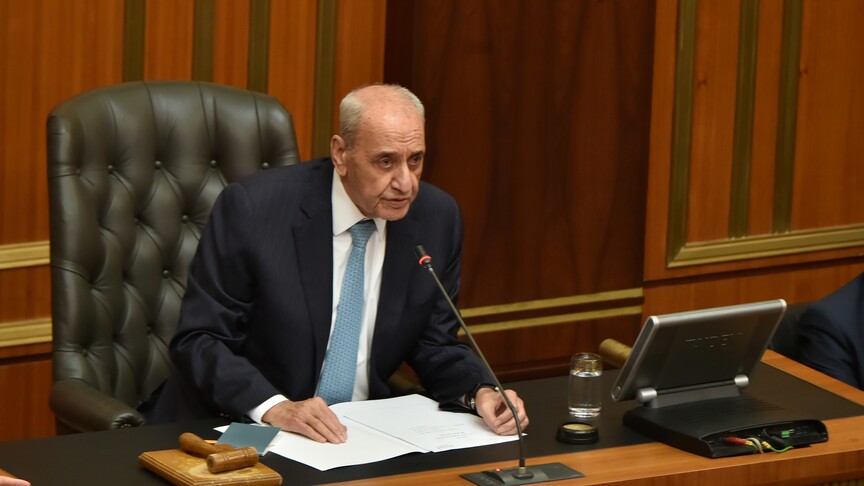
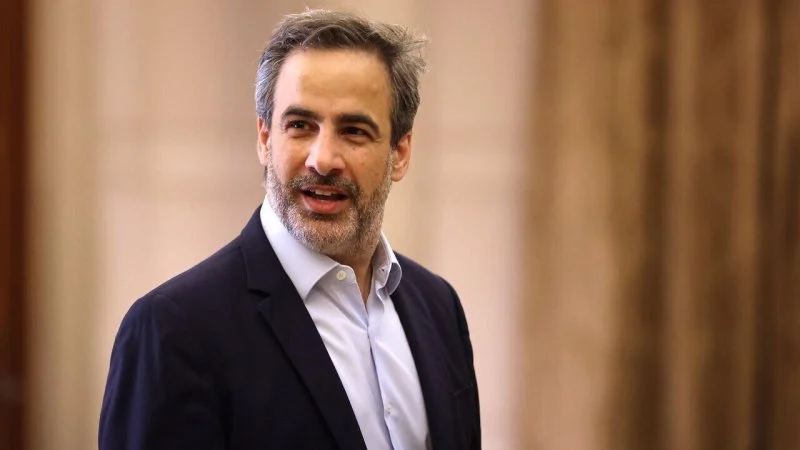
Separately on Wednesday, UN Deputy Special Coordinator and top humanitarian official in Lebanon, Imran Riza, engaged in discussions with Lebanese officials. Mr. Riza, accompanied by UNIFIL head Major General Diodato Abagnara, held talks with President Joseph Aoun and Speaker of Parliament Nabih Berri in Beirut. These high-level meetings show diplomatic efforts to address the operational environment for UN personnel and humanitarian aid delivery in the country. The discussions in Beirut are part of ongoing engagement between the United Nations and Lebanese authorities to ensure the effective implementation of UNIFIL's mandate and the continued provision of humanitarian assistance amidst the volatile security situation, emphasizing the importance of cooperation to maintain stability and mitigate the humanitarian crisis.