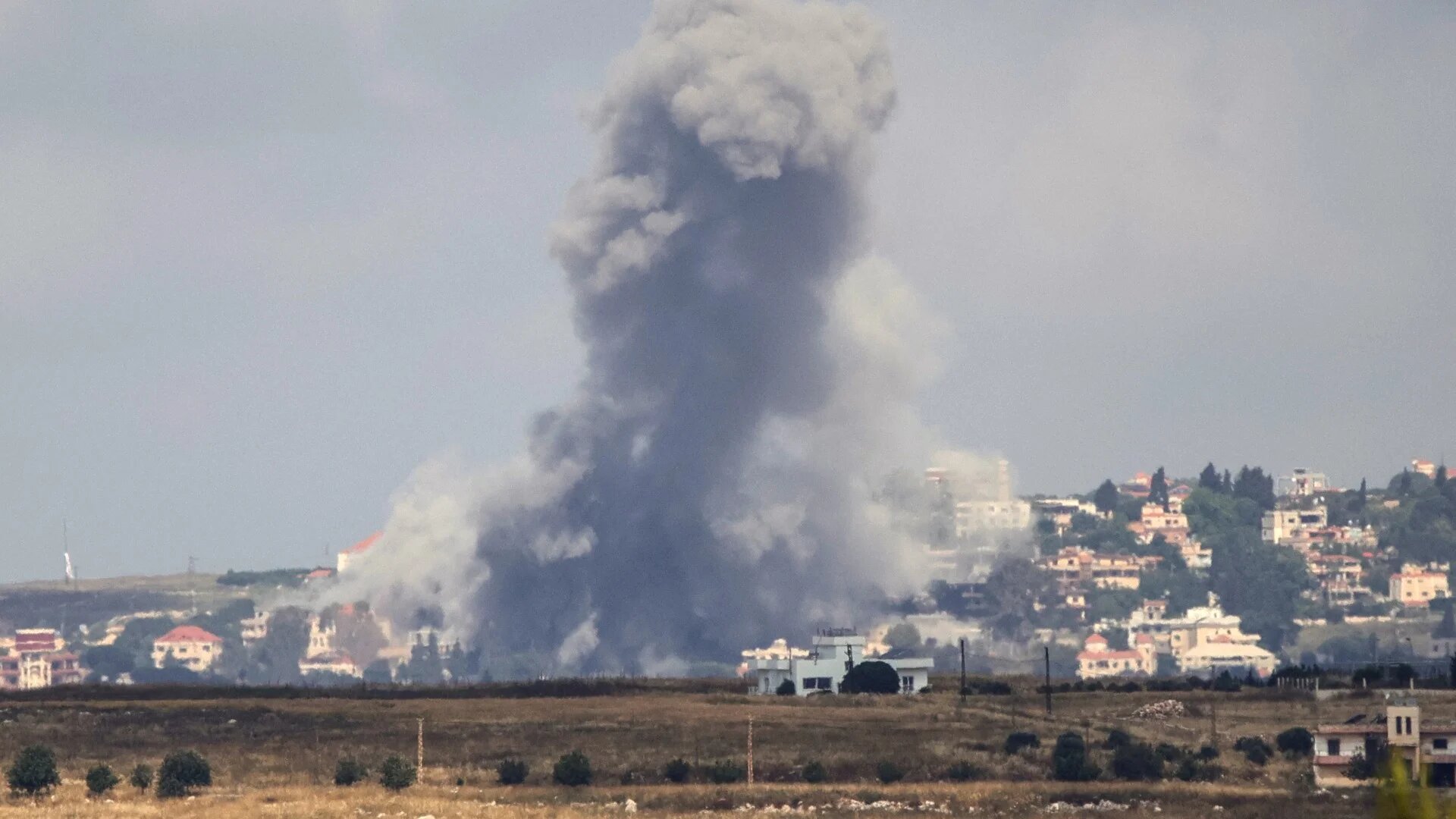
The historic port city of Tyre (Sur) in southern Lebanon experienced heavy bombardment on Sunday, May 31, 2026, according to extensive video footage released by local Lebanese media outlets. These media reports explicitly stated that the intense shelling was carried out by forces of the Zionist regime. Visuals circulating widely depicted the ancient city under a barrage of strikes, clearly showing a significant and alarming escalation in the volatile region. The scale of the attack, as shown in the footage, indicated a substantial military operation impacting a densely populated urban area.
Hezbollah's Response and Claims
The Lebanese Islamic Resistance Hezbollah has publicly stated that it conducts its military operations against what it terms the "Zionist enemy." These actions are described by the group as a direct and necessary response to the ongoing violation of the ceasefire agreements. Hezbollah has claimed that its operations have directly resulted in the displacement of numerous settlers from their homes. These settlers, according to the group's statements, have been compelled to move to other occupied towns situated within the region. The group's consistent statements position its military activities as direct retaliation to perceived breaches of existing peace agreements and international law by Israel. This reported displacement of residents, a direct consequence of the escalating conflict, further indicates the profound impact of the ongoing hostilities on civilian populations residing in the contested border areas. The group emphasizes that its actions are a defensive measure against continued aggression.
Admission of Military Setbacks
Significantly, local media outlets operating within the occupied territories controlled by the Israeli regime have admitted to what they describe as the failure of the Zionist regime's army in its ongoing operations against Hezbollah. These reports from within Israeli-controlled areas indicate that there have been no discernible advances in the Zionist regime's military operations against the Lebanese resistance group. This assessment from the local media notes considerable challenges faced by the Israeli military in its engagements, suggesting a lack of operational success despite sustained efforts. The acknowledgement of these setbacks from within the occupied territories provides a critical perspective on the ground realities of the conflict.
Context of Escalation
The recent intense shelling of Tyre, also known by its Arabic name Sur, in Lebanon, and the subsequent claims of Israeli military setbacks reported by local media in the occupied territories, come amidst a broader and deeply concerning context of escalating cross-border hostilities. Hezbollah has consistently stated that its operations against the "Zionist enemy" are a direct and legitimate response to alleged ceasefire violations perpetrated by Israeli forces. The group has also reported that its actions have led to the displacement of numerous settlers within various occupied towns, further noting the human cost of the conflict. These developments collectively indicate a growing intensity and expansion in the ongoing military conflict, profoundly impacting both military operations and the daily lives of civilian populations across the entire region. The repeated cycle of violence shows the fragility of the security situation.
Visual Evidence of Attack
Compelling video footage released by local Lebanese media on Sunday, May 31, 2026, vividly showed the city of Tyre (Sur) enduring significant and widespread bombardment. The visuals depicted intense strikes across various parts of the city, directly corroborating initial reports from the outlets that explicitly stated the shelling was carried out by the Zionist regime. These recordings provided immediate, on-the-ground evidence of the severity and scale of the military engagement. The footage circulated widely across social media and news platforms, offering a direct and unfiltered view of the destructive impact of the strikes on the Lebanese city and its infrastructure. Local media reports accompanying the videos consistently attributed the offensive to the Zionist regime, further framing the visual evidence within the established context of ongoing hostilities and cross-border conflict. The clarity of the visuals left little doubt about the nature of the attack.