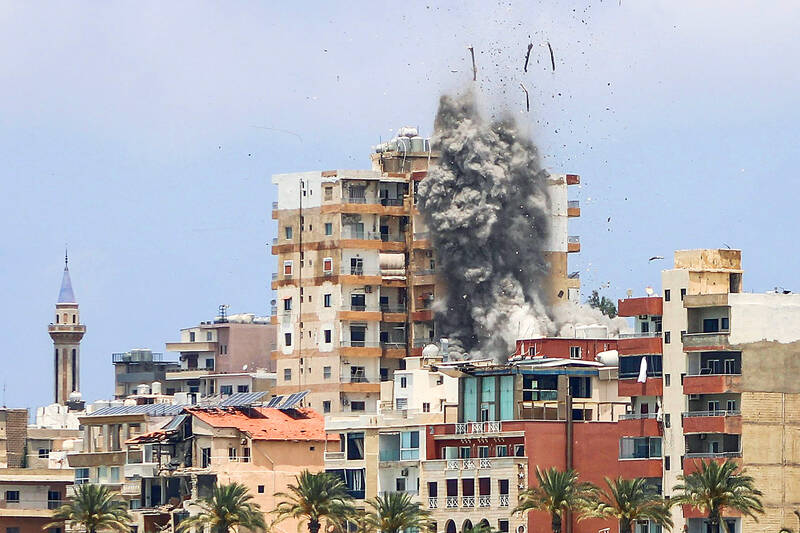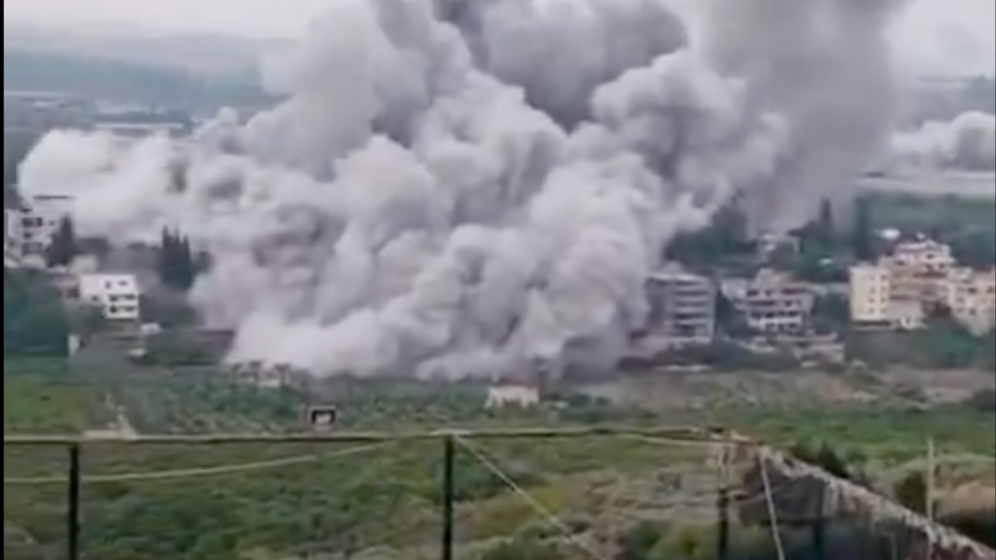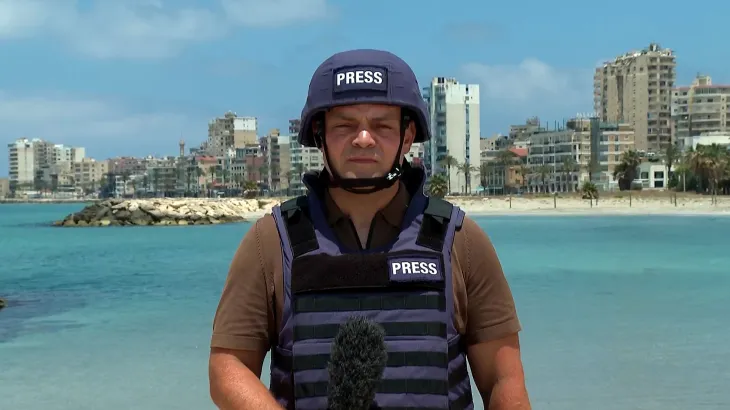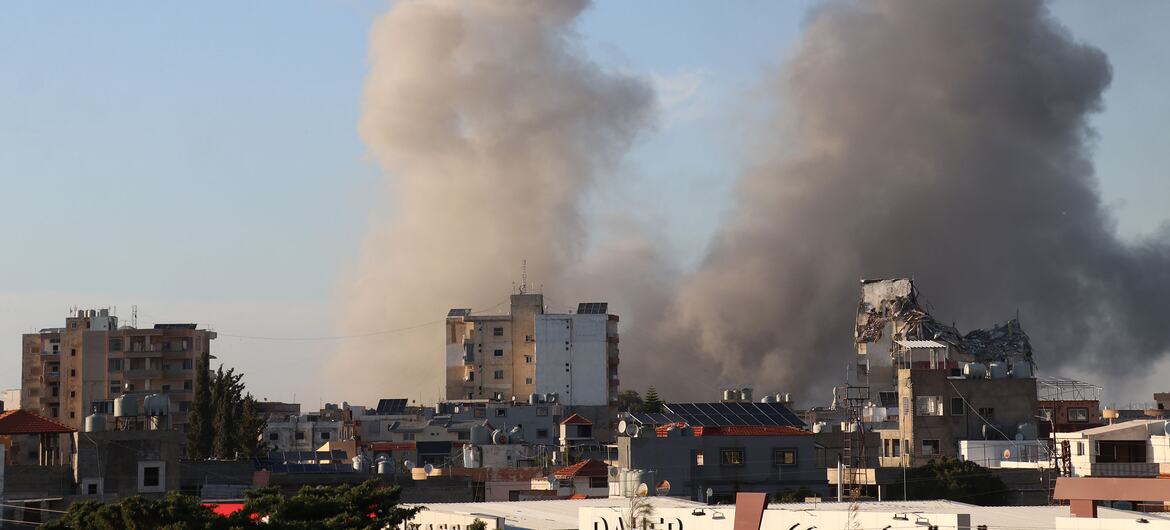
Israeli air strikes on the southern coastal city of Tyre killed eight people, according to reports. The fresh strikes hit the Lebanese city, resulting in the fatalities. These aerial bombardments have intensified concerns over the safety of civilians and the escalating nature of the conflict in the region. The precision and impact of these strikes show the persistent threat faced by urban areas in southern Lebanon. The loss of life in Tyre adds to the growing casualty count since the recent escalation began, noting the severe human cost of the ongoing military actions. Such events often trigger widespread fear and uncertainty among the local population, who are already grappling with the broader implications of the conflict. The repeated targeting of residential areas or areas with civilian presence continues to draw international attention and calls for de-escalation.
Widespread Destruction and Displacement
Lebanon has sustained over $365 million in damage to buildings across Beirut and Mount Lebanon since the latest escalation began. This substantial financial figure represents a significant burden on the nation's infrastructure and economy, requiring extensive resources for recovery and reconstruction. The full assessment of the damage reveals the widespread impact of military actions on urban and residential areas within these key regions. The extensive destruction includes significant harm to cultural heritage sites, with the World Heritage site of Tyre among those affected. The damage to such historically significant locations not only represents a loss for Lebanon but also for global cultural patrimony, raising concerns among international preservation organizations.
A UN-led assessment determined that the damage produced nearly 649,000 cubic metres of debris. This enormous volume of rubble presents a formidable challenge for clearance operations, necessitating considerable logistical planning and resources. The sheer quantity of debris shows the scale of the physical destruction and the long-term environmental and urban planning challenges that Lebanon will face in its recovery efforts. Across Beirut and Mount Lebanon, 146 buildings were completely destroyed, while an additional 264 buildings suffered partial damage. The complete destruction of these structures leaves communities shattered and families without homes, necessitating immediate and long-term housing solutions. The partial damage to hundreds more buildings means that many structures are uninhabitable or require extensive repairs, further exacerbating the housing crisis.
The impact on residential structures was substantial, with 3,168 housing units reported as destroyed and 4,437 housing units damaged in the same regions. This widespread damage to housing units directly affects thousands of families, forcing them to seek alternative accommodation and disrupting their lives indefinitely. The destruction and damage to these homes contribute significantly to the broader humanitarian crisis and displacement figures. The sheer number of affected housing units notes the urgent need for shelter and reconstruction initiatives to help communities rebuild. The full nature of this destruction across Beirut and Mount Lebanon indicates a systemic impact on the urban fabric and the lives of ordinary citizens.
The escalation has also led to widespread displacement. More than one million displaced people have been registered through Lebanon’s government relief platform since the conflict began on March 2. This staggering number reflects the profound societal disruption caused by the ongoing hostilities, forcing a significant portion of the population to abandon their homes and livelihoods. Of these, over 134,000 internally displaced individuals continue to reside in collective shelters. These collective shelters, while providing immediate refuge, often present challenges related to overcrowding, sanitation, and access to essential services, impacting the well-being of those living within them. The prolonged stay in such temporary accommodations shows the severity of the displacement crisis and the difficulty many face in returning to their places of origin.
To accommodate those displaced, 642 emergency shelters are currently operational, providing temporary housing solutions. While these shelters offer key support, their temporary nature means that long-term solutions are still desperately needed. The establishment and maintenance of such a large network of shelters require significant humanitarian effort and resources. The scale of destruction and the ongoing need for shelter highlight the humanitarian challenges facing the country. The continuous influx of displaced persons places immense pressure on existing infrastructure and humanitarian aid organizations, requiring sustained international support and coordination. The protracted nature of displacement also raises concerns about the social and economic integration of these populations in their host communities.
Impact on Education and Health
The educational sector has been significantly affected, with approximately 500,000 children forced out of classrooms. This disruption to education has profound long-term consequences for the development and future prospects of an entire generation of Lebanese children. The cessation of schooling not only impacts academic progress but also deprives children of safe learning environments and key social support structures. More than one million learners have experienced disruptions to their education. This broader figure encompasses students of all ages, from primary school to higher education, indicating a widespread paralysis of the educational system across the affected regions. The interruption of learning can lead to significant academic setbacks and increased vulnerability for young people.
Seventeen schools have been destroyed, and over 100 schools have sustained damage. The physical destruction and damage to educational facilities directly impede the ability to resume schooling, even in areas where security might improve. Rebuilding and repairing these schools will require substantial investment and time, further delaying educational recovery. The loss of these vital community institutions also affects the social fabric of neighborhoods. The educational infrastructure has been severely compromised, creating an urgent need for reconstruction and rehabilitation efforts to ensure access to learning for all affected children and young people. The challenges extend beyond physical damage, encompassing the psychological impact on students and educators, and the need for adapted curricula in times of crisis.
Health services have also faced considerable challenges. Since March 2, 196 attacks affecting health services have been recorded. These attacks represent a grave violation of international humanitarian law, which protects healthcare facilities, personnel, and patients during armed conflicts. The high number of incidents points to a systemic threat to the provision of essential medical care. These attacks resulted in 131 deaths and 379 injuries among those associated with health services, including medical professionals and patients. The loss of life and injury to healthcare workers further cripples an already strained system, reducing the capacity to respond to medical emergencies and ongoing health needs. The targeting of health services has a devastating ripple effect, impacting the health outcomes of entire communities.
Some 50 attacks have specifically impacted health workers, facilities, and patients since mid-April. This concentrated period of attacks notes an alarming trend of deliberate or indiscriminate actions against the healthcare system. The continuous threat to health workers creates an environment of fear, making it difficult for them to perform their life-saving duties. The damage to facilities reduces the availability of beds, equipment, and medical supplies, directly compromising patient care. These incidents show the critical need for the protection of medical neutrality and adherence to international humanitarian principles in conflict zones. The cumulative effect of these attacks has severely degraded Lebanon's capacity to provide adequate medical care to its population, especially in regions directly affected by the conflict.
Escalating Military Actions
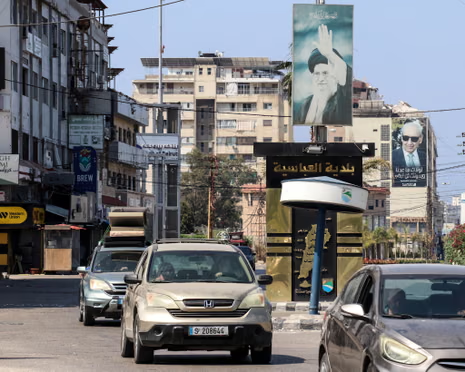
The Israeli military has reportedly issued new evacuation orders, including for the city’s Christian quarter for the first time. These new orders signal a significant expansion of military actions in the region, extending the scope of potential conflict zones. The inclusion of previously unaffected areas suggests a broadening of strategic objectives or an intensification of military operations. The city, which has experienced previous military operations, now faces heightened alerts across its communities. The history of military engagements in the area means that residents are acutely aware of the potential consequences of such directives.
The inclusion of the Christian quarter in the latest evacuation directives marks a new development in the ongoing conflict, affecting a broader demographic within the urban area. This expansion of evacuation zones indicates that the conflict's impact is spreading to communities previously considered less vulnerable, increasing the overall humanitarian footprint. Residents are reportedly assessing the implications of these directives, which necessitate preparations for potential displacement. The issuance of such orders typically precedes intensified military activity, leading to concerns among the local population regarding their safety and the integrity of their homes. Families are forced to make difficult decisions about whether to leave, where to go, and how to secure their belongings.
These actions contribute to the broader pattern of escalating military engagements observed in the area. The continuous issuance of evacuation orders and the expansion of affected zones suggest a dynamic and worsening security situation. The expanded scope of the evacuation orders suggests a widening of the operational zones for military forces. This widening of operational areas increases the risk of civilian casualties and further displacement, exacerbating the already dire humanitarian situation. The international community continues to monitor these developments closely, with calls for restraint and protection of civilian lives becoming more urgent as the conflict intensifies and spreads across more communities.