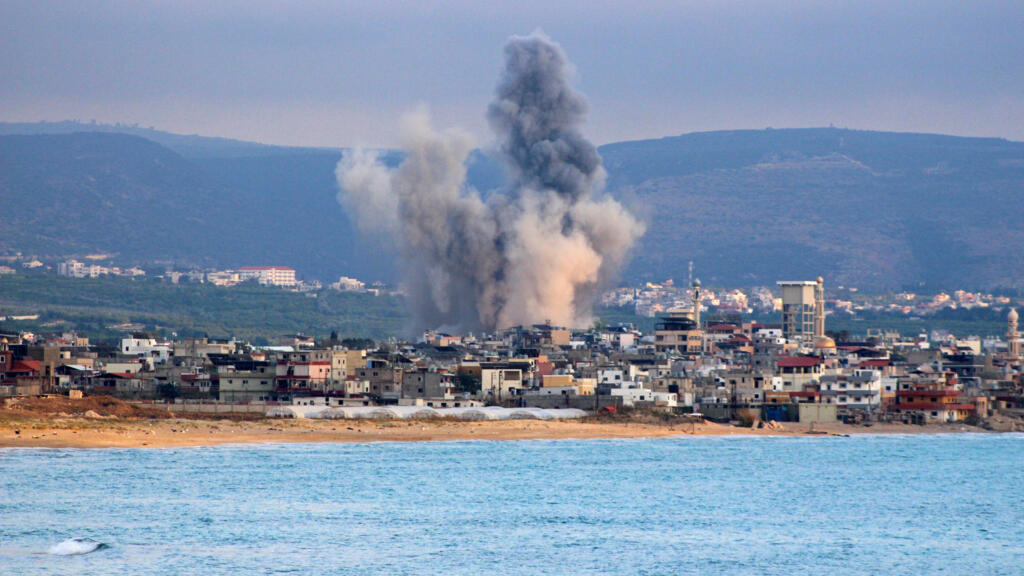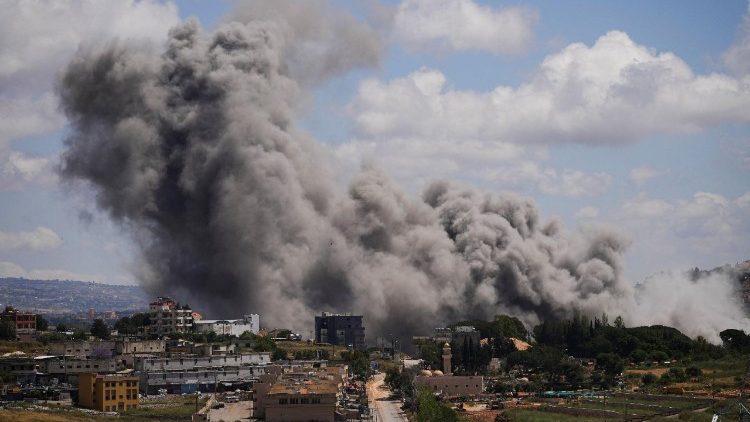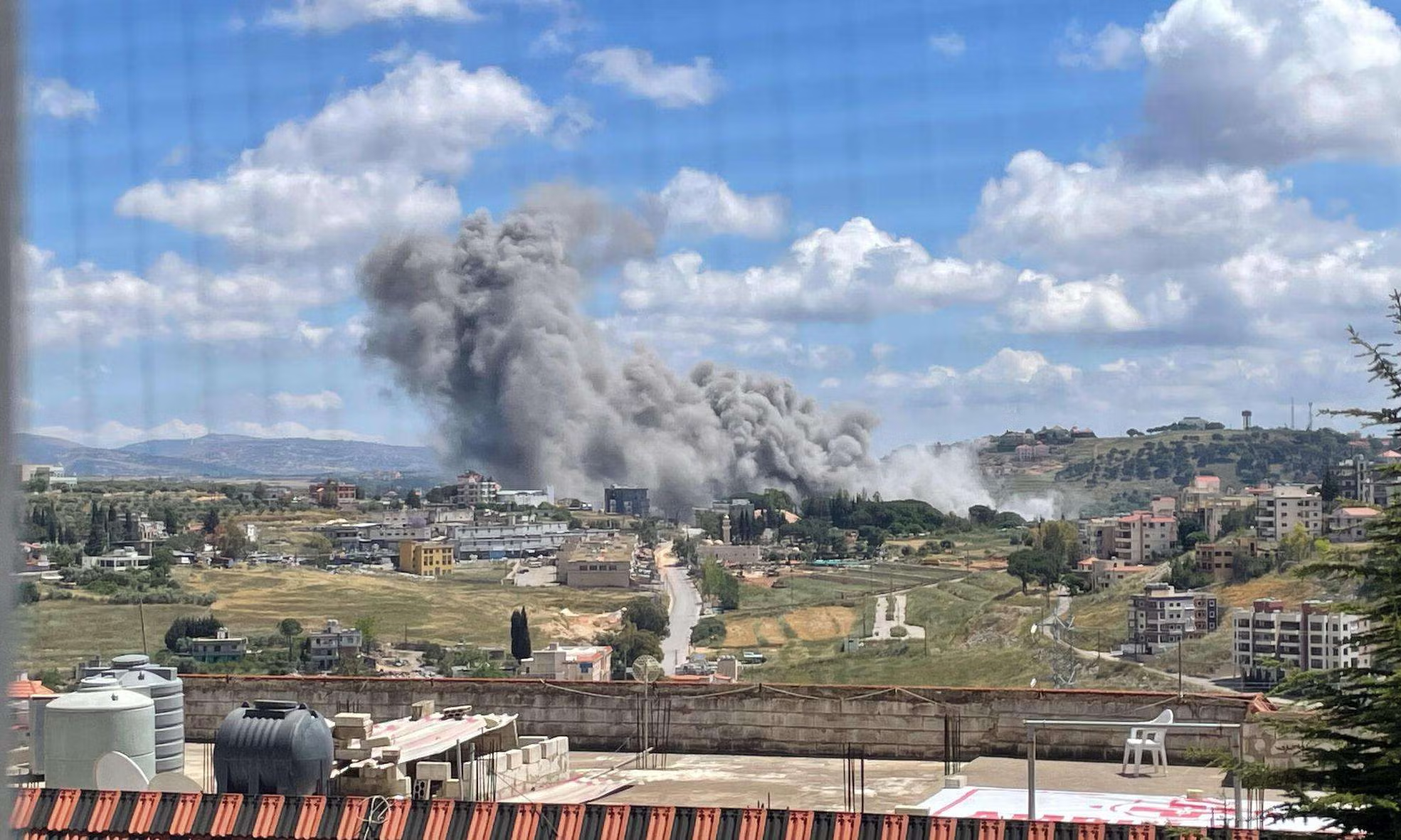
The Israeli military issued a displacement order for the entire city of Tyre in southern Lebanon at 4 p.m. On Wednesday, instructing its approximately 160,000 residents to evacuate. This directive, delivered with immediate effect, signaled a critical escalation in the ongoing conflict. The order coincided with a significant intensification of military activity, as at least fifteen airstrikes targeted Tyre overnight Wednesday and into Thursday morning. The intensified strikes followed the displacement directive, transforming the historic city into a focal point of recent military operations and raising serious concerns about the humanitarian situation.
Intensified Bombardment and Displacement
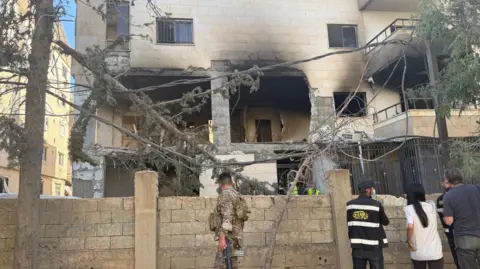
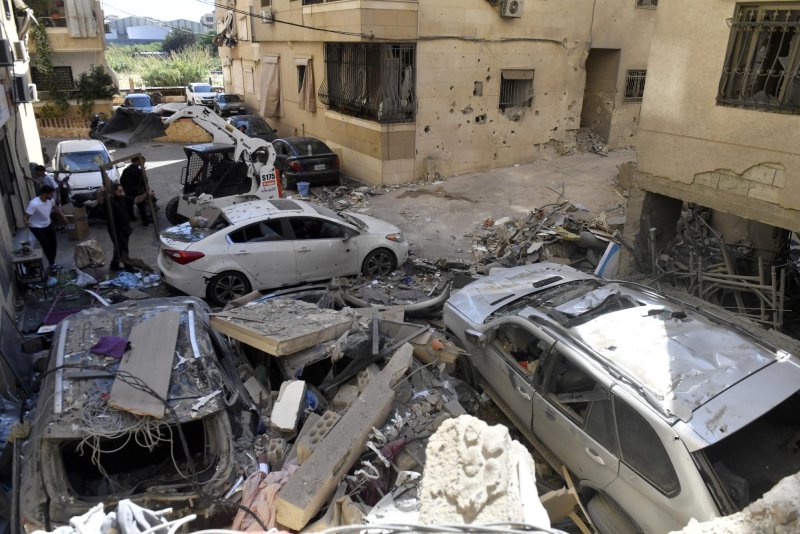
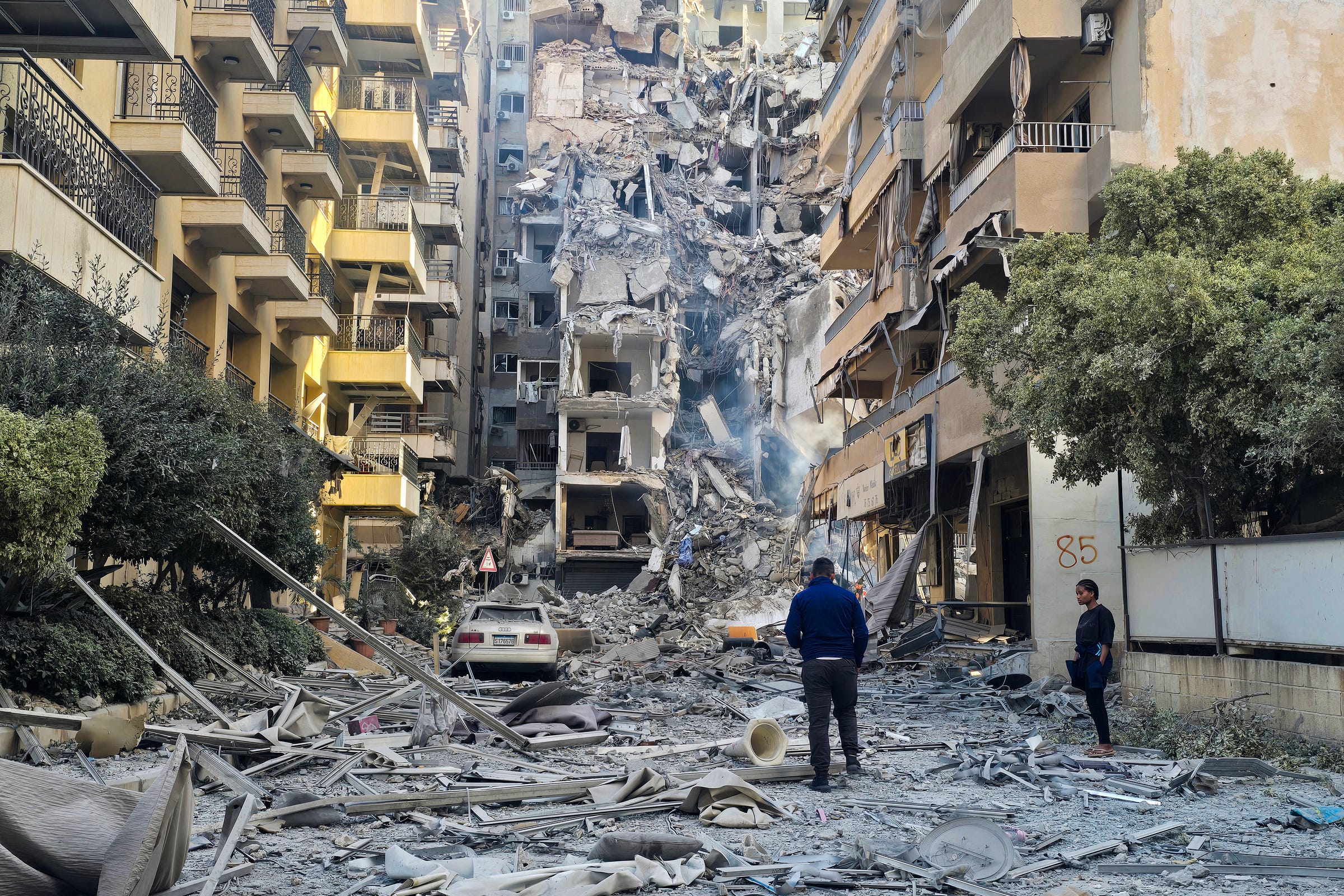
The impact of the displacement order and subsequent bombardment was immediate and devastating. An airstrike struck Ali Sleiman's family building an hour after the displacement order for Tyre was issued, destroying the entire residential block. This particular incident resulted in significant casualties, killing three people, including Fadel Sleiman, and injuring at least 17 others. The destruction of the residential block showed the immediate danger faced by the civilian population following the evacuation order.
The Israeli military extended its operations beyond Tyre, bombing the town of Choueifat in Beirut’s southern suburbs on Thursday. This action was taken as the Israeli military claimed to have targeted a Hezbollah commander in Choueifat. The strike on Choueifat, a suburb of the capital, indicated a broadening geographical scope of the Israeli military's operations, moving beyond the immediate southern border region. The precision of the targeted strike, as claimed by the Israeli military, notes the strategic nature of their recent engagements.
Tyre's Significance and Destruction
The airstrike that struck Ali Sleiman's family building illustrates the severe human cost of the ongoing hostilities. The incident, occurring merely an hour after the displacement order for Tyre was issued, resulted in the destruction of the entire residential block and claimed the lives of three individuals, including Fadel Sleiman, while injuring at least 17 others. This event serves as a stark reminder of the immediate threats civilians face in areas under bombardment.
Tyre, as the fourth largest city in Lebanon, is home to approximately 160,000 people, making the displacement order and subsequent bombardment particularly impactful on a significant urban population. The sheer number of residents affected by the evacuation order presents a considerable humanitarian challenge, requiring extensive planning and resources for safe relocation and provision of essential services. The potential for widespread displacement and the disruption of daily life for tens of thousands of individuals are critical concerns for aid organizations and local authorities.
The city holds further importance due to its historical and cultural heritage. Tyre was officially declared a UNESCO World Heritage site in 1984, recognizing its ancient ruins and archaeological significance, including its well-preserved Roman hippodrome and ancient necropolis. The presence of such invaluable historical assets means that military operations in the area carry the risk of irreparable damage to global cultural heritage. The recent military operations in the area have drawn international attention to the potential impact on this historic location and its inhabitants, prompting calls for the protection of civilian lives and cultural sites. The Israeli military's actions extended beyond Tyre, with the bombing of Choueifat in Beirut’s southern suburbs on Thursday, where the military claimed to have targeted a Hezbollah commander, further showing the expanding reach of the conflict.
Broader Conflict and Ceasefire Impact
Israeli Prime Minister Benjamin Netanyahu stated on Monday that Israel would intensify its strikes on Lebanon, declaring, "we will intensify our strikes." This public declaration signaled a clear intent for an escalation of military activities. Netanyahu further elaborated on Tuesday at a security cabinet meeting, saying, "We are deepening our operation in Lebanon." These statements from the highest level of Israeli leadership show the strategic decision to increase military pressure. He also indicated that Israel would not "take its foot off the gas. On the contrary, I said to step on the gas even more," emphasizing a sustained and aggressive approach to the conflict. These pronouncements from the Israeli Prime Minister suggest a prolonged period of heightened military engagement, impacting the stability of the entire region.
A ceasefire in Lebanon was first announced by U.S. President Donald Trump on April 16. This announcement had initially raised hopes for a de-escalation of hostilities. However, despite this declaration, over 600 people have been killed across Lebanon since the ceasefire's announcement, indicating that the agreement has not effectively halted the violence. The continued loss of life notes the fragility of the ceasefire and the persistent challenges in implementing a lasting cessation of hostilities. According to the Lebanese Ministry of Health, Israel has killed a total of 3,324 people and wounded more than 10,000 others in Lebanon since March 2. These figures paint a grim picture of the human toll exacted by the conflict over recent months. The Health Ministry also reported that Israel has killed at least 125 health workers in targeted strikes since March 2, raising serious concerns about the protection of medical personnel and facilities during armed conflict, which are protected under international humanitarian law.
Local Reactions and Future Talks
The Israeli military issued warnings for some residential buildings at 3:30 a.m. Local time, providing a brief window for residents to evacuate before impending strikes. However, other structures in the area were bombed without prior notification, creating an unpredictable and dangerous environment for civilians. This varied approach to warnings came amidst intensified military operations in Tyre and its surroundings, leaving many residents in a state of fear and uncertainty regarding their safety. The inconsistency in warning protocols complicates evacuation efforts and increases the risk to civilian lives.
Meanwhile, Lebanese and Israeli military officials are scheduled to convene for security talks on Friday in Washington, DC. These discussions aim to address the ongoing situation and potential pathways forward between the two nations, offering a glimmer of hope amidst the escalating violence. The upcoming talks follow a period of escalating tensions and military engagements across southern Lebanon, making the diplomatic efforts in Washington, DC, critically important for de-escalation and potential conflict resolution. The international community will be closely watching these discussions, hoping for a diplomatic breakthrough that could alleviate the suffering and instability in the region.