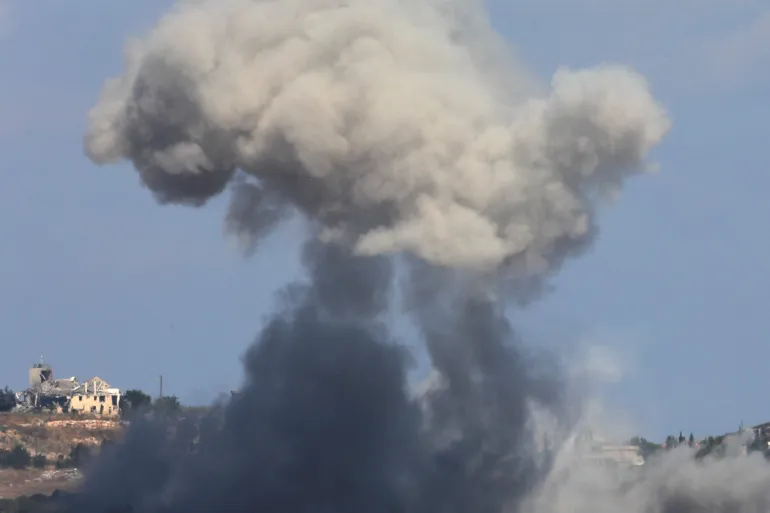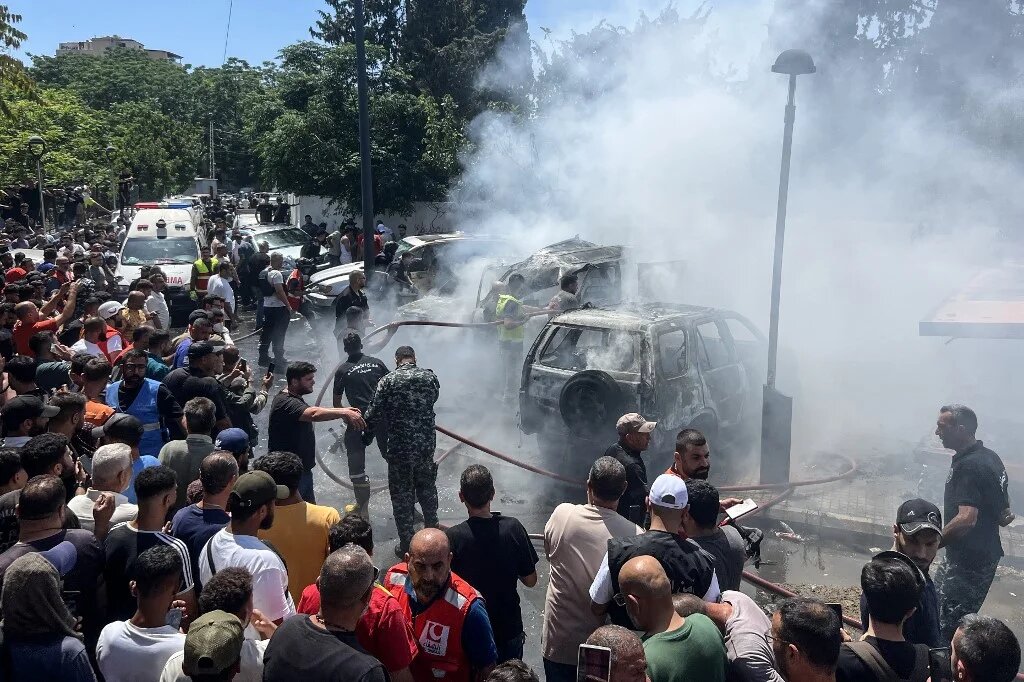
Two UNIFIL peacekeepers from Malaysia sustained injuries during an attack on a logistics convoy near the village of Haris in southern Lebanon. The incident occurred as the convoy was traversing the area, noting the volatile security situation in the region. Following the attack, the UN convoy rerouted, taking an alternative path before successfully continuing its journey to its destination, demonstrating the mission's resilience in the face of adversity. The United Nations Interim Force in Lebanon (UNIFIL) confirmed the incident, emphasizing the serious nature of any aggression against its personnel.
Convoy Under Fire
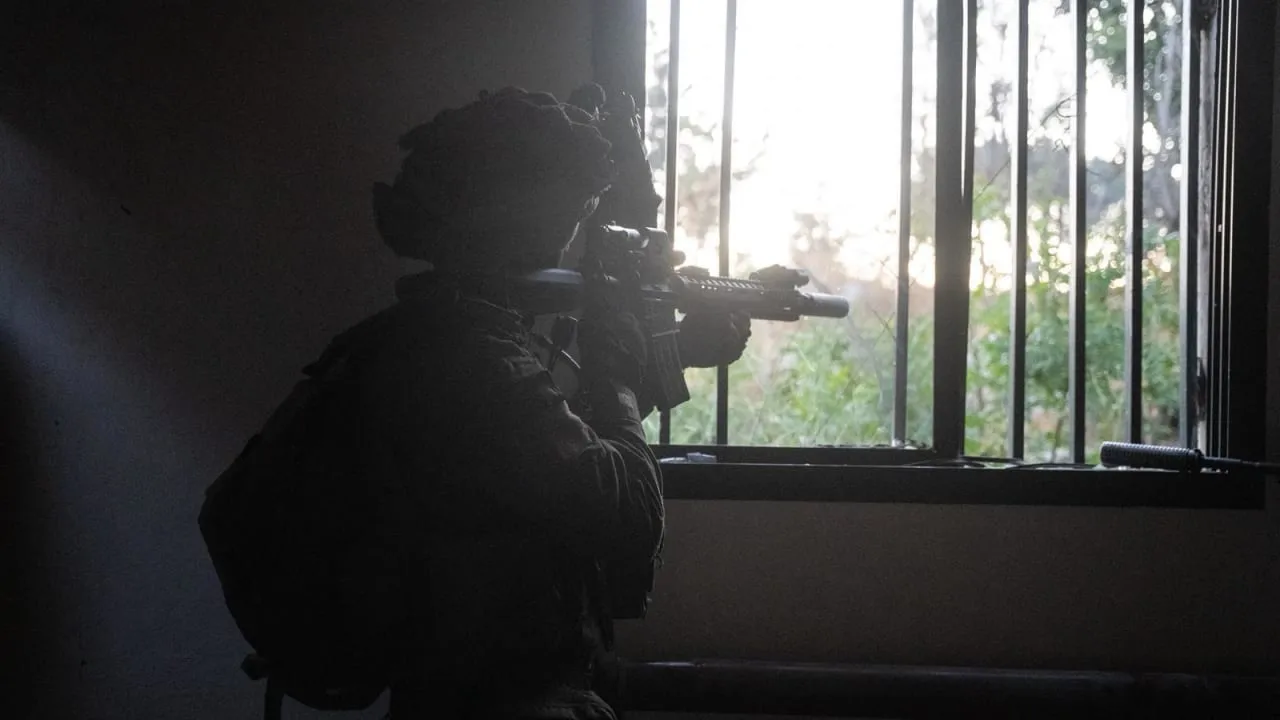
An Israeli military tank fired near a UN convoy in the vicinity of Bint Jbeil, according to reports. The incident occurred during the convoy's passage through southern Lebanon, a zone frequently experiencing heightened military activity. This firing near the UN vehicle marks a serious development in the region, showing the dangers faced by peacekeepers operating in the contested border areas. The UNIFIL convoy was reportedly on a logistics mission when the incident took place, a routine operation essential for the sustainment of the peacekeeping force. The exact circumstances leading to the tank firing in proximity to the international forces' vehicles are currently under investigation by UNIFIL. The UN has not yet released further details regarding the specific nature of the firing or the immediate aftermath for the convoy, beyond confirming the injuries sustained by two peacekeepers in the broader attack near Haris. This particular incident involving the tank firing adds another layer of complexity to the security challenges in the UNIFIL area of operations.
Investigation and Context
UNIFIL stated it would investigate the incident involving the attack on its logistics convoy, committing to a thorough review of the events. The peacekeeping force is meticulously examining the circumstances that led to the injuries of two Malaysian peacekeepers near Haris, seeking to understand the full sequence of events. The investigation aims to determine the exact nature of the attack and the parties responsible for the firing, ensuring accountability for actions against UN personnel. This inquiry follows the broader context of heightened tensions in southern Lebanon, where sporadic exchanges and military movements have become more frequent. UNIFIL's mandate includes monitoring the cessation of hostilities and supporting the Lebanese Armed Forces, making such investigations critical for maintaining stability.
Separately, UNIFIL peacekeepers observed significant drone activity in the Biyyada area on Wednesday. The presence of these unmanned aerial vehicles adds another element to the operational environment in the region, posing potential surveillance or reconnaissance challenges. UNIFIL regularly monitors activity within its area of operations to ensure compliance with relevant resolutions and to maintain stability along the Blue Line. The observation of drone activity is part of the ongoing surveillance efforts by the international force, which continuously gathers intelligence to assess the security landscape and inform its operational decisions. Such observations are routinely reported as part of UNIFIL's commitment to transparency and its efforts to de-escalate tensions.
UN Call for Restraint
The two Malaysian peacekeepers injured in the attack on the UNIFIL logistics convoy near Haris were reported to be in stable condition, a relief amidst the serious nature of the incident. Following the incident, the United Nations reiterated its appeal for all parties involved to uphold the inviolability of UN personnel and their assets. This call emphasizes the necessity for all actors in southern Lebanon to respect the peacekeeping mission's operational integrity and the safety of its staff, who operate under a UN mandate. The UN's statement shows the critical importance of adhering to international humanitarian law and ensuring UNIFIL can carry out its mandate without obstruction or threat, which is vital for peace and security in the area. The consistent adherence to these principles by all parties is essential for the effective functioning of the peacekeeping mission and the protection of its dedicated personnel.