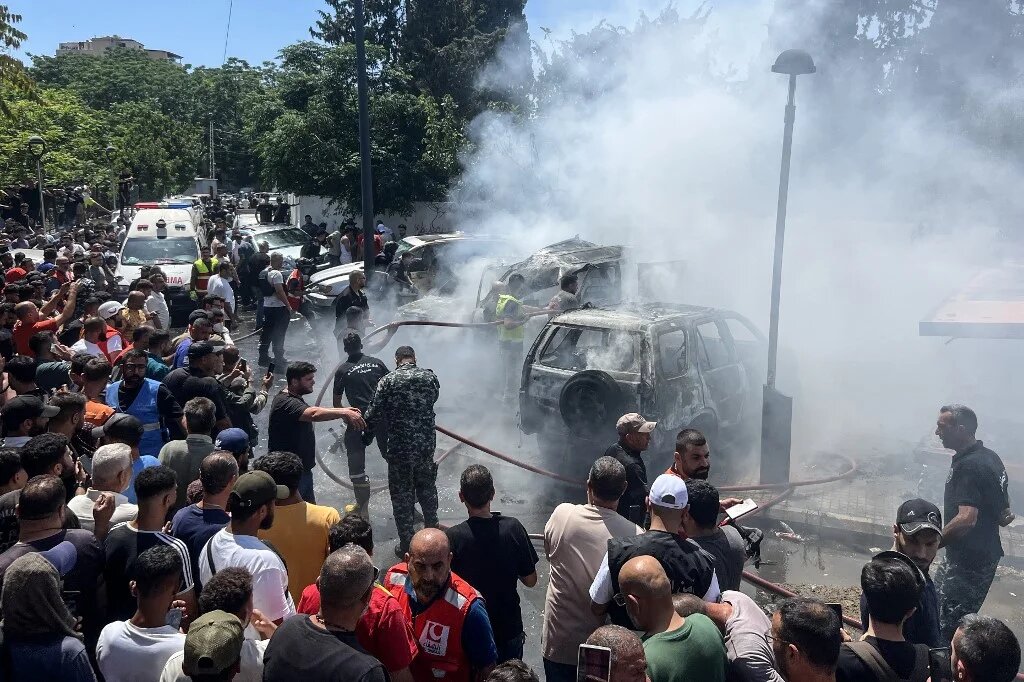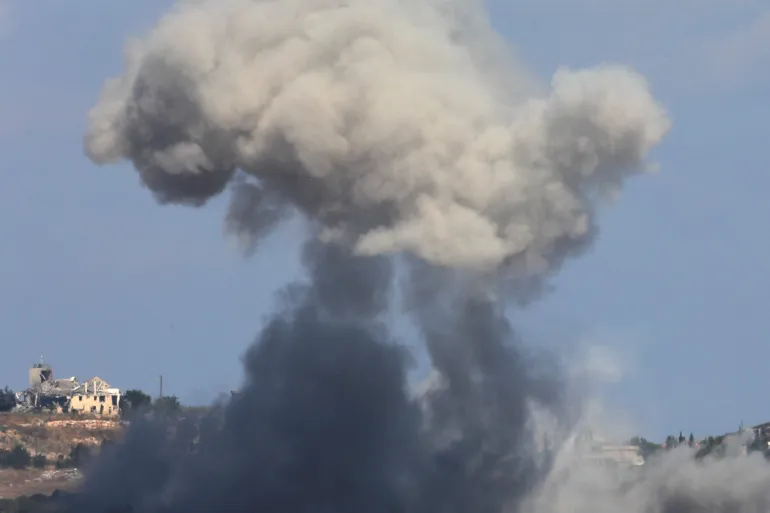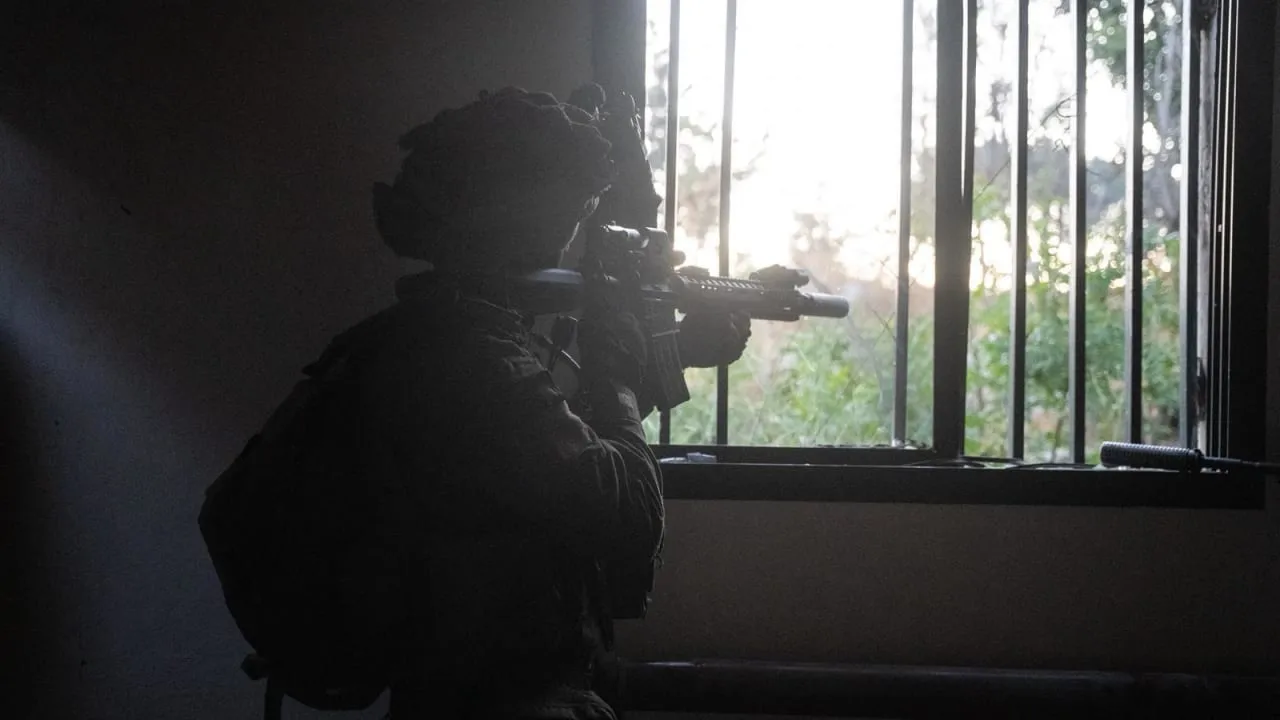
Over the past week, the Israel Defense Forces (IDF) carried out operations on three distinct fronts, targeting locations in southern Lebanon, the Gaza Strip, and the West Bank. These multi-faceted operations show the IDF's sustained efforts to counter various security threats across the region. Simultaneously, the IDF also conducted activities aimed at combating smuggling along both Israel's eastern and western borders, reinforcing national security and preventing illicit transfers. The concentrated military actions across these diverse operational theaters highlight a coordinated approach to addressing both direct threats and clandestine activities impacting Israeli security.
Southern Lebanon Front
In southern Lebanon, the Israeli Air Force conducted strikes against approximately 310 sites associated with Hezbollah. These aerial operations were part of ongoing military activity in the region, designed to degrade the capabilities of the Iran-backed organization. The strikes specifically targeted infrastructure and assets identified as belonging to Hezbollah, reflecting a strategic effort to disrupt their operational capacity. Separately, IDF ground forces also carried out operations within southern Lebanon, focusing on dismantling infrastructure and eliminating identified threats. These ground maneuvers complemented the aerial bombardments, allowing for a full approach to addressing Hezbollah's presence near the border.
During these operations in southern Lebanon, approximately 80 terrorists were reported killed. The IDF stated that their actions targeted specific objectives related to Hezbollah's presence and capabilities in the area, emphasizing precision and strategic intent. The air force strikes and ground force movements were described as integral to efforts to address security concerns along the border, particularly in response to ongoing cross-border aggressions. The military's activities included both offensive actions and measures aimed at neutralizing perceived immediate dangers, thereby working to enhance the security posture along Israel's northern frontier. The combined air and ground operations show the intensity and scope of the IDF's engagement in southern Lebanon over the past week.
Gaza Strip Operations
In the Gaza Strip, Israel Defense Forces (IDF) units continued efforts to dismantle terror tunnels, concentrating their operations in Khan Yunis. This focus on Khan Yunis is part of a broader strategy to systematically neutralize the extensive underground network used by militant groups. During these activities, over 20 terrorists were reported killed by IDF forces, indicating direct engagements with armed operatives. Among those killed were three senior members of the Islamic Jihad organization, according to military statements. The elimination of these key figures represents a significant blow to the command structure of Islamic Jihad within the Gaza Strip, disrupting their ability to plan and execute operations.
The operations also targeted elements of Hamas's financial infrastructure within the Gaza Strip. The head of a Hamas funds transfer network was killed, along with his deputy. These actions directly aimed at cutting off financial lifelines for the organization, thereby hindering its ability to fund terror activities and sustain its operations. The IDF stated that their focus remained on the Gaza Strip's southern region, specifically Khan Yunis, as they continued to engage targets identified as part of militant structures. This sustained pressure in the southern Gaza Strip is critical for dismantling the remaining terror infrastructure. Military officials indicated that the elimination of key figures in terror organizations and the destruction of infrastructure are central to their objectives in the territory, showing the strategic importance of these operations in degrading militant capabilities and ensuring regional security.
West Bank Counterterrorism
In the West Bank, Israel Defense Forces (IDF) units conducted counterterrorism operations, resulting in the capture of over 50 suspects. The IDF stated that these individuals were wanted for inciting terrorism, advancing terror activities, and possessing and trading weaponry, noting the range of threats addressed by these operations. The arrests were made across various locations, reflecting a widespread effort to disrupt militant networks. During these operations, forces confiscated 250,000 shekels, which the military indicated were intended for terrorism, thereby cutting off a significant financial resource for militant groups. The confiscation of these funds is a key step in undermining the economic support base for terror activities in the region.
IDF forces also seized various items during their West Bank activities, further weakening militant capabilities. Among the confiscated materials was a lathe, identified as being used to manufacture weapons, indicating the presence of local arms production infrastructure. A drone was also confiscated by the troops, suggesting attempts by militant groups to employ advanced surveillance or attack capabilities. Additionally, military equipment and ammunition were seized from various locations, depriving operatives of key supplies. The operations yielded the confiscation of more than 10 weapons, including both handguns and improvised Carlo weapons, which are frequently used in attacks. The IDF described these actions as part of ongoing efforts to disrupt militant capabilities and prevent terror activities in the region, emphasizing a proactive approach to maintaining security and stability throughout the West Bank.
Border Security Efforts
The Israel Defense Forces (IDF) carried out operations along both the eastern and western borders of Israel, focusing on combating smuggling activities. These efforts are part of a broader strategy to maintain security and prevent illicit transfers across the country's boundaries. The operations involved monitoring and interdiction activities aimed at disrupting smuggling routes and networks, which often facilitate the movement of illegal goods and sometimes even personnel linked to terror. Military personnel were deployed to specific areas identified as high-risk for such activities, utilizing intelligence and surveillance to effectively target smuggling attempts. The IDF's actions included preventing unauthorized crossings and seizing contraband, thereby safeguarding national borders from various threats. These border security measures complement ongoing counter-terrorism operations conducted in various regions, forming an integral part of Israel's full security posture against both visible and clandestine threats.