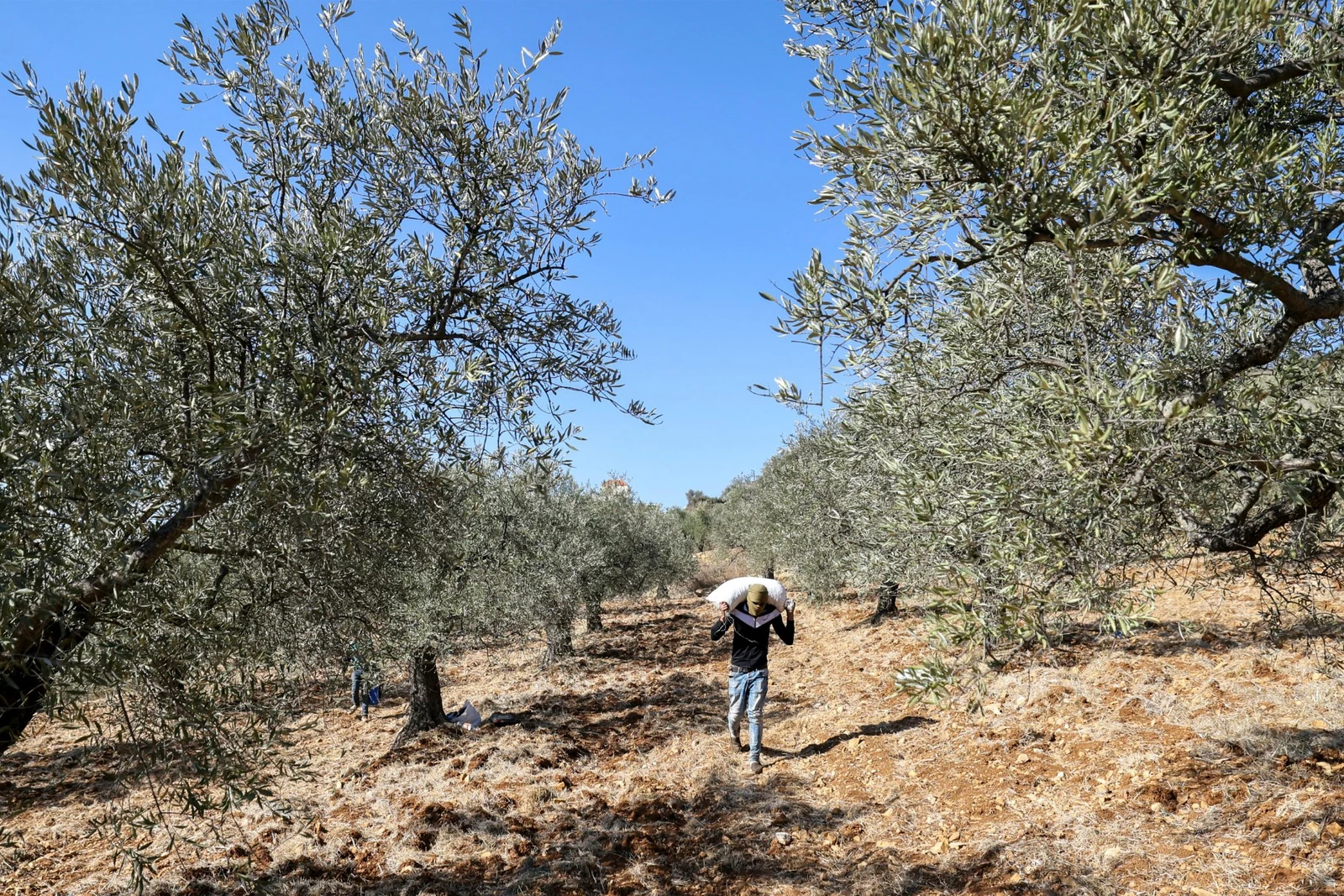
Two men were killed in south Lebanon on Sunday during the annual olive harvest, a critical period for the region's agricultural communities. The incidents unfolded as residents were engaged in the seasonal agricultural activity, which is vital for many livelihoods in the area. The deaths occurred in a region that has seen heightened tensions and ongoing military activity, further showing the precarious security situation faced by civilians.
Border Violence Erupts
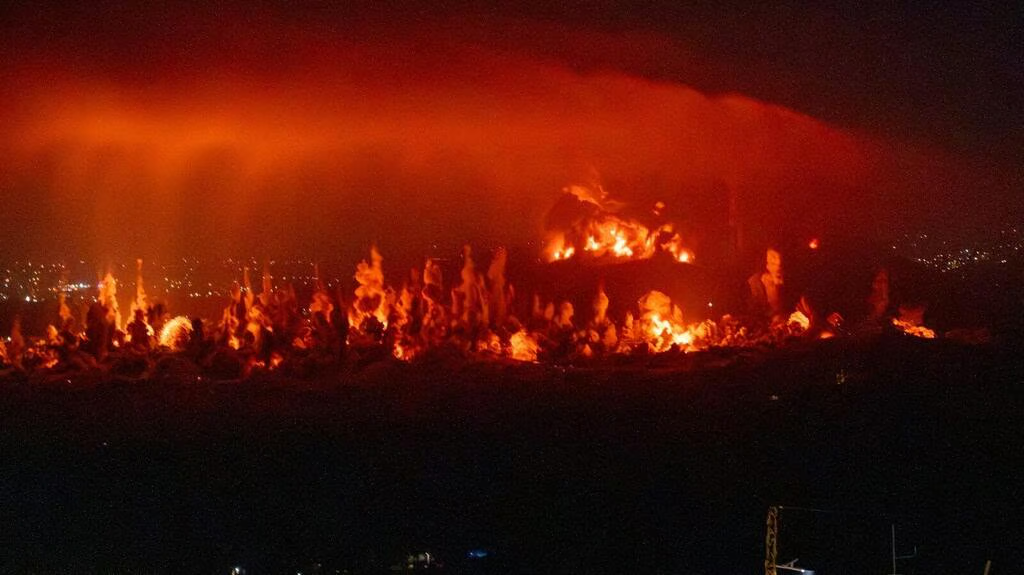
One man died in Yater, a town located in the Bint Jbeil district, after Israeli shelling struck the town's outskirts. The shelling, which targeted the periphery of the community, resulted in the immediate death of the civilian. The Lebanese army attributed this incident in Yater to Israeli tank fire, specifying the type of ordnance used in the attack. The army described the shelling as "a flagrant breach of existing agreements," noting a perceived violation of established protocols and diplomatic arrangements.
Separately, in the village of Froun, also situated within the Bint Jbeil district, an engineer was tragically killed. This death resulted from the explosion of a foreign object, which authorities indicated was a remnant from previous Israeli operations in the area. The presence of unexploded ordnance from past conflicts remains a significant hazard, contributing to civilian casualties and posing a constant threat to daily life. Both incidents, which claimed the lives of these two men, occurred on Sunday, casting a somber shadow over the annual olive harvest. The engineer, who died in Froun, had traveled from Beirut, where he resides, specifically to participate in the olive harvest, illustrating the deep personal connection many have to this seasonal activity.
Context of Conflict
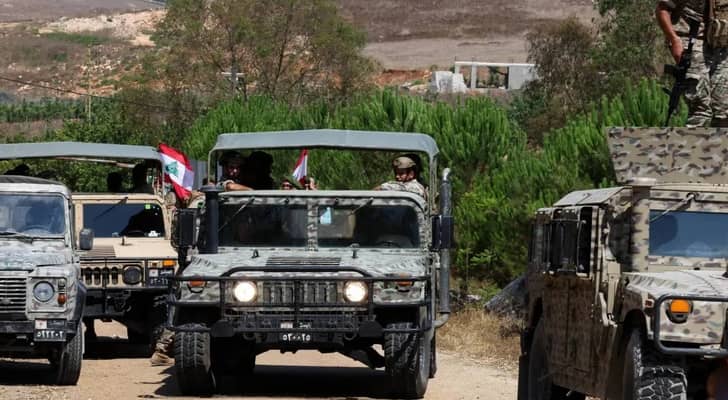
South Lebanon has been the scene of two wars between Israel and Iran-backed Hezbollah since 2023, creating a deeply volatile environment. This history of intense conflict has contributed to a perpetually tense atmosphere in the border region, where military actions and civilian life frequently intersect. Adding to the complex geopolitical landscape, a band of territory 10 kilometers wide running along the border is currently occupied by Israeli troops. This occupation adds to the ongoing tensions and a significant military presence in the area, further complicating efforts to maintain peace and stability.
Hezbollah drew Lebanon into the broader Middle East war in early March by launching attacks against Israel, significantly escalating hostilities in the region. These actions have further complicated the security situation for residents engaged in daily activities, including the annual olive harvest, forcing them to navigate a dangerous environment. The persistent threat of unexploded ordnance from past conflicts remains a critical hazard, contributing to civilian casualties and making even routine activities perilous. The ongoing military actions and the historical conflicts show the precarious situation in South Lebanon, where the line between peace and conflict remains thin.
Fragile Peace Efforts
A framework agreement between Lebanon and Israel was struck in June, aiming to de-escalate tensions and establish a more stable environment. This full deal involves several key components: Hezbollah’s disarmament, a gradual Israeli withdrawal from occupied territories, and the deployment of the Lebanese army to the southern region to assert state authority. Following the June agreement, violence in the south has diminished but not stopped, indicating the inherent fragility of these peace efforts. The Lebanese army previously described Israeli actions as "a flagrant breach of existing agreements," noting persistent violations despite diplomatic arrangements and ongoing attempts to secure a lasting peace. These incidents show the ongoing challenges to achieving lasting stability in the border area and protecting civilians during essential seasonal activities like the olive harvest.
Official Reactions
One man was killed by Israeli fire, and the other by an explosive remnant of war, illustrating the dual threats civilians face in the region. The engineer, who died in Froun, had traveled from Beirut, where he lives, to participate in the olive harvest, showing the personal sacrifices made by individuals to maintain their agricultural traditions amidst conflict. These tragic deaths serve as a stark reminder of the human cost of the ongoing tensions and the critical need for effective de-escalation and lasting peace in South Lebanon.