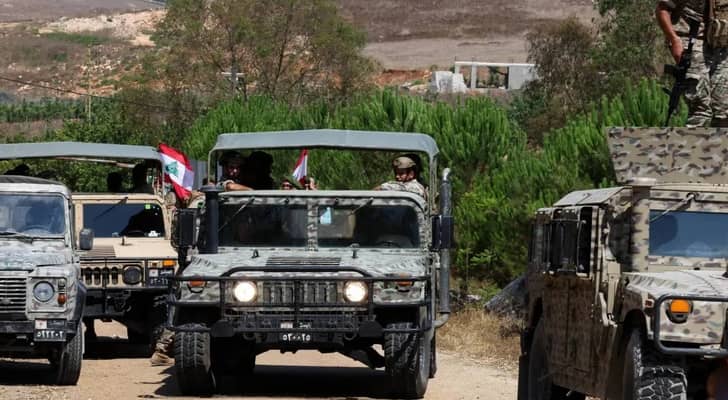
Lebanese authorities have arrested two suspected Hezbollah members after seizing half a ton of explosives they were allegedly transporting secretly. The arrests were made as part of an ongoing investigation into illicit activities within the country, noting the persistent challenges faced by the Lebanese state in controlling the movement of dangerous materials. One of the individuals detained is reportedly the son of a Hezbollah official, while the other is also identified as a member of the Iran-backed militant group. This connection to Hezbollah, a powerful political and military organization in Lebanon, adds a significant dimension to the ongoing inquiry. The operation shows Lebanese efforts to curb the movement of unauthorized materials within its borders and to enforce national security regulations.
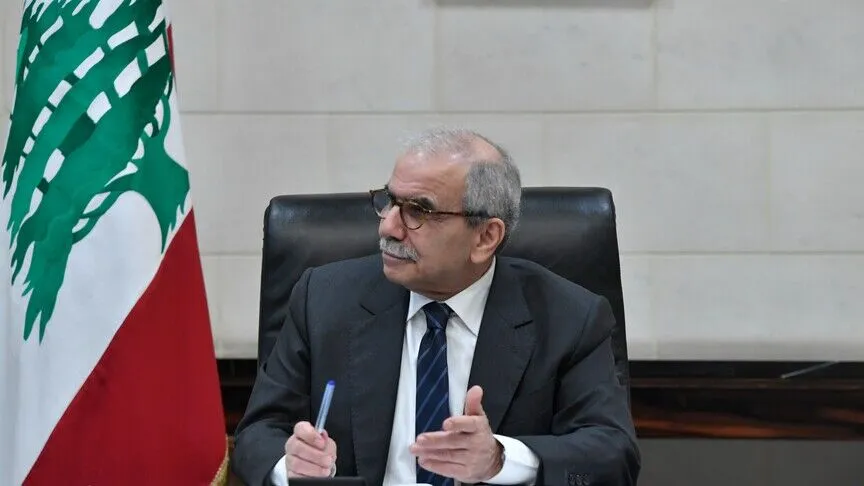
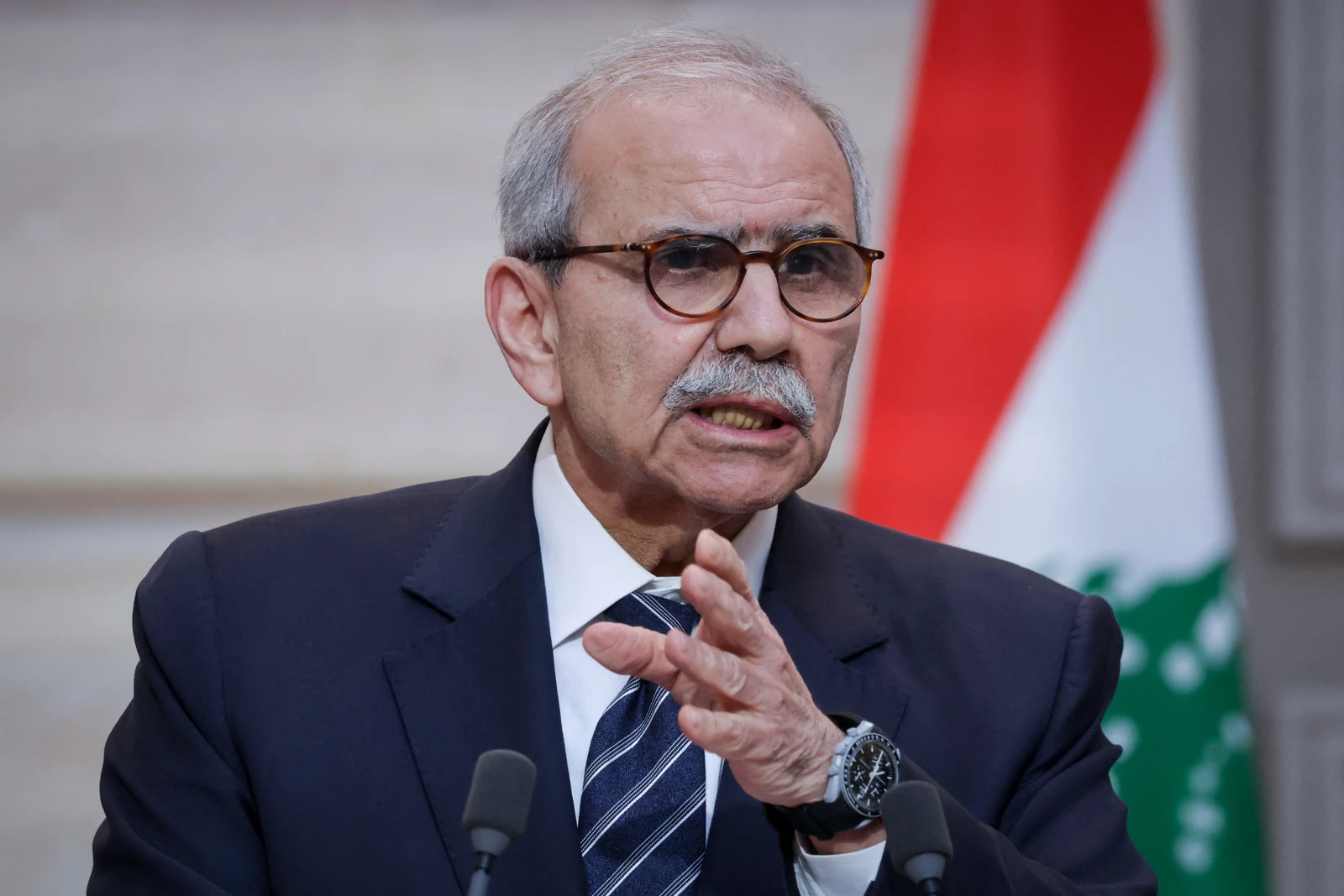
Prime Minister's Firm Stance on Illicit Transport
The seized materials included 250 kilograms of TNT-type explosives and an additional 250 kilograms of C4-type explosives, totaling a substantial half a ton. This significant quantity of high-grade explosives has raised serious concerns among security officials regarding their intended use and potential impact. Authorities have not yet determined the intended destination for the substantial quantity of explosives, leaving a critical piece of the puzzle to be uncovered. Investigations are ongoing to ascertain where the materials were being transported and their ultimate purpose, with security forces working diligently to trace the origins and planned use of the explosives as the inquiry into the two suspected Hezbollah members continues. The Lebanese government has initiated a full investigation into the incident to prevent future attempts at illicit transportation of such dangerous substances within its borders, emphasizing a firm stance against any activities that could destabilize national security.
Broader Regional Context Influencing Internal Security
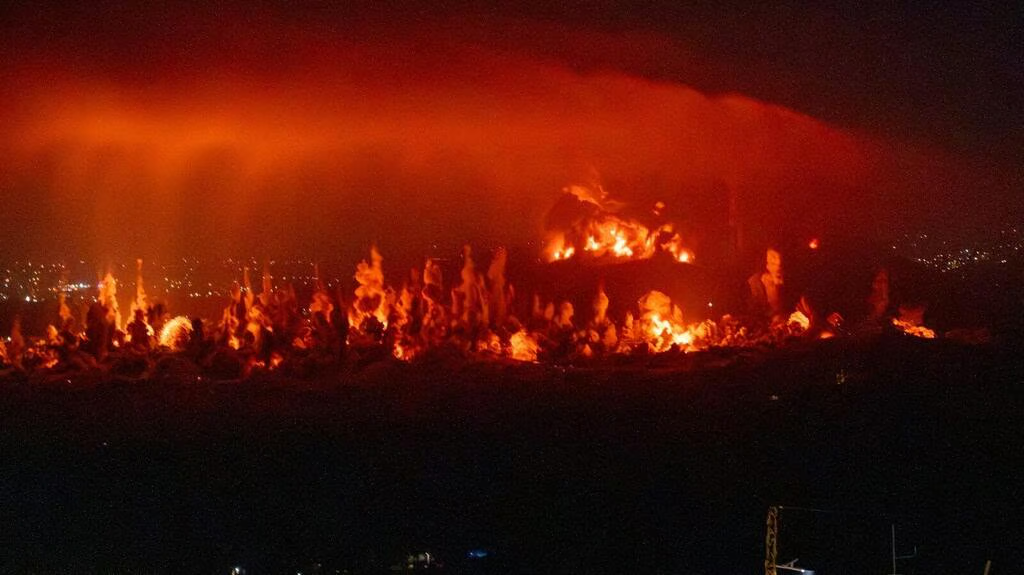
Syria has regularly announced the interception of weapons shipments destined for Lebanon, indicating ongoing regional concerns about illicit arms transfers and the porous nature of the border. These regional dynamics continuously influence Lebanon's internal security landscape, particularly concerning armed groups and cross-border movements of illicit materials. Lebanon's government approved a plan in 2025 aimed at disarming Hezbollah, reflecting internal efforts to address the group's military capabilities and integrate all armed factions under state control. The approval of this plan signals a long-term commitment by the Lebanese state to assert its authority over all armed groups operating within its territory. Earlier this year, Hezbollah attacked Israel in March, contributing to heightened tensions along the border and illustrating the volatility of the region. Israel responded to this action by invading and subsequently occupying a band of territory in Lebanon’s south. These hostilities led to a new ceasefire being struck between the parties in June, temporarily de-escalating the conflict and paving the way for diplomatic efforts to resolve outstanding issues.
Investigation and Disarmament Efforts Continue
The two men were apprehended Thursday afternoon at a security checkpoint in Dahr Al-Baidar, located in Lebanon’s east. The checkpoint is situated near a primary road connecting Lebanon with Syria, a route frequently used for both legitimate and illicit cross-border activities. Their capture at this specific location suggests a potential link to cross-border activities or routes used for transporting materials between the two countries, indicating a possible organized network behind the operation. The timing and location of the arrests are critical to understanding the scope of the alleged plot and the logistical challenges involved in moving such a large quantity of explosives.
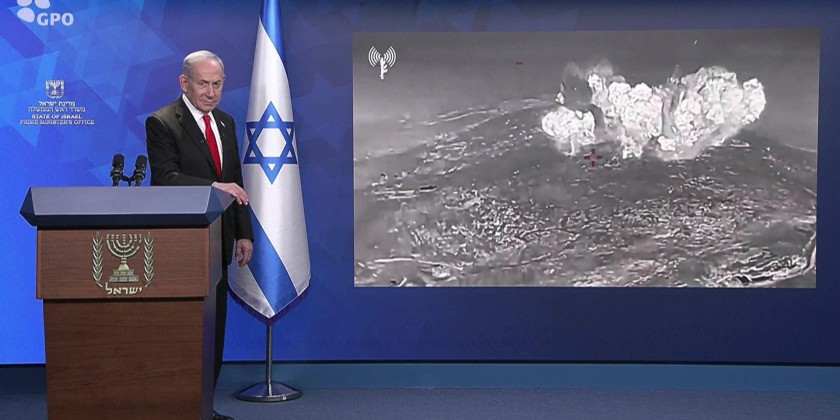
In a separate development, Israel and Lebanon have reached an agreement on a framework deal addressing key security concerns. This deal includes key provisions for Hezbollah’s disarmament, a gradual withdrawal of Israeli forces from Lebanese territory, and the deployment of the Lebanese army to the southern region. The framework aims to establish a more stable security environment along the border and to address the long-standing issue of armed groups operating within Lebanon, which has been a persistent source of instability. The proposed disarmament of Hezbollah forms a central component of this broader agreement between the two nations, signifying a potential shift towards greater state control and reduced regional tensions. The successful implementation of this framework would represent a significant step towards lasting peace and security in the volatile border area.