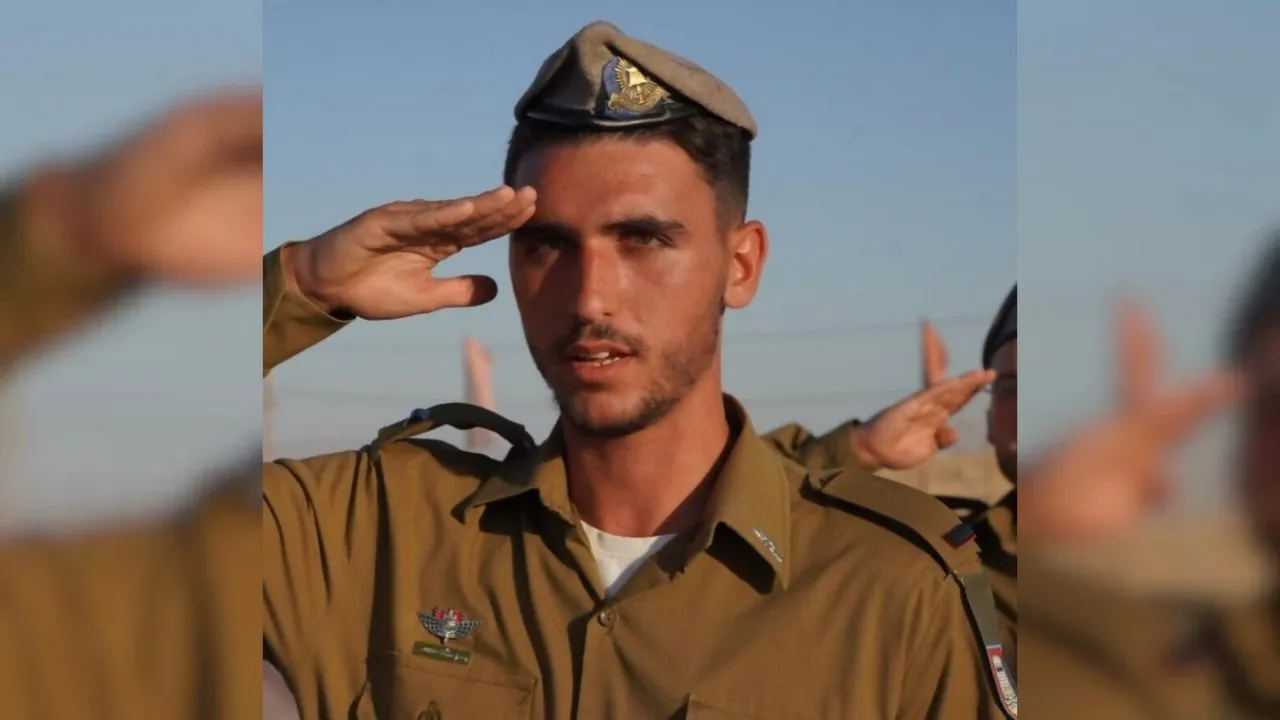
Capt. Eliav Haim Tzapalamus, 21, from Haifa, was killed last Thursday in a Humvee accident in southern Lebanon. The Israel Defense Forces (IDF) Northern Command is investigating the incident to determine the circumstances, including whether operational orders for vehicle movements in Lebanon were followed. The investigation aims to establish a clear picture of the events that led to the tragic loss of life and the injuries sustained by other soldiers. The IDF stated it "shares in the sorrow of the bereaved family and the wounded and will continue to support them." The military further added, "The matter is under investigation and has not yet been presented to the bereaved family. Once the investigation is concluded, its findings will be presented to the family with full transparency." This commitment to transparency shows the seriousness with which the IDF is treating the incident and the allegations surrounding it.
Allegations of Operational Lapses
Capt. Eliav Haim Tzapalamus's family has made several claims regarding procedural failures leading up to the fatal incident. The family asserts that only one Humvee was dispatched for the mission in southern Lebanon, which they state contradicts operational orders mandating at least two vehicles travel together in Lebanese territory. This specific claim forms a significant part of the ongoing inquiry into adherence to established protocols for military operations in the area. According to the family, Capt. Tzapalamus was trapped beneath the overturned Humvee for an estimated 20 to 30 minutes following the accident. This extended period of entrapment is a key detail being examined as part of the emergency response sequence. They further allege that the radio communication system on board had ceased functioning, which prevented the other soldiers present from immediately calling for assistance. The failure of critical communication equipment, if confirmed, would represent a serious operational deficiency that investigators are keen to understand.
Parallel to these claims, investigators are examining specific operational aspects of the incident. Inquiries include whether the Humvee was traveling at an excessive speed given the prevailing road conditions at the time of the accident. This assessment of speed versus terrain is key for determining potential contributing factors to the rollover. These elements form a central part of the ongoing Israel Defense Forces investigation into the circumstances surrounding Capt. Tzapalamus's death. The scope of the investigation also extends to allegations that commanders in the Combat Engineering Corps' 603rd Battalion and the 7th Brigade failed to follow operational procedures, broadening the inquiry beyond the immediate accident scene to higher levels of command responsibility.
Road Conditions and Driver Factors
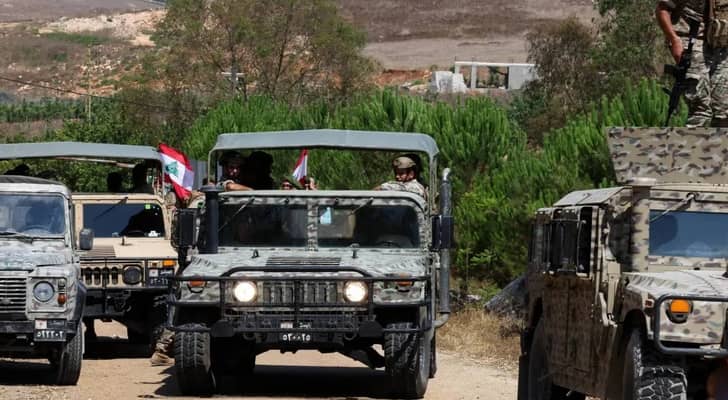
The terrain where the accident occurred presents various driving challenges, including steep descents, winding sections, sharp inclines, and stretches of damaged or unpaved road. These conditions are a focus for investigators examining the circumstances of the Humvee's overturning, as they could have significantly impacted vehicle control and stability. The Humvee overturned on a road near the Litani River in the eastern sector of southern Lebanon, a geographical detail that helps pinpoint the specific operational environment. Following the rollover, soldiers present reportedly struggled to turn the overturned vehicle upright, indicating the severity of the incident and the immediate challenges faced by the surviving personnel.
Preliminary findings from the ongoing Israel Defense Forces inquiry suggest the driver involved in the incident had completed all required training for operating the vehicle. This includes specific instruction on handling military Humvees. The findings also indicate the driver possessed experience in navigating the specific type of Humvee involved in the fatal accident, suggesting a level of familiarity with its operational characteristics. These factors are being considered as part of the broader investigation into the cause of the crash that killed Capt. Eliav Haim Tzapalamus. Investigators are also examining whether a rock on the road caused the driver to lose control of the vehicle, which could point to an external factor contributing to the accident rather than solely driver error or vehicle malfunction.
Broader Context and Reactions
The Israel Defense Forces (IDF) is investigating allegations that commanders in the Combat Engineering Corps' 603rd Battalion and the 7th Brigade failed to follow operational procedures. This aspect of the investigation seeks to determine if there were systemic issues or command failures that contributed to the incident. The Humvee involved in the incident overturned on a road near the Litani River in the eastern sector of southern Lebanon. Following the rollover, soldiers present reportedly struggled to turn the overturned vehicle upright, noting the immediate difficulties encountered by the unit. Investigators are also examining whether a rock on the road caused the driver to lose control of the vehicle, a potential environmental factor that could have triggered the accident.
In addition to Capt. Eliav Haim Tzapalamus's death, three other IDF soldiers sustained light wounds in the accident, emphasizing the broader impact of the incident on the unit. These soldiers received immediate medical attention following the crash. In a separate incident earlier on the same day, two soldiers were lightly wounded following the improper use of ammunition, showing a day of multiple safety concerns for the military. The IDF has stated, "The IDF shares in the sorrow of the bereaved family and the wounded and will continue to support them. The matter is under investigation and has not yet been presented to the bereaved family. Once the investigation is concluded, its findings will be presented to the family with full transparency." This official statement reiterates the military's commitment to supporting those affected and to a thorough, open investigation process. The findings of this investigation will be key in understanding the full scope of the accident and implementing any necessary changes to operational procedures and safety protocols.