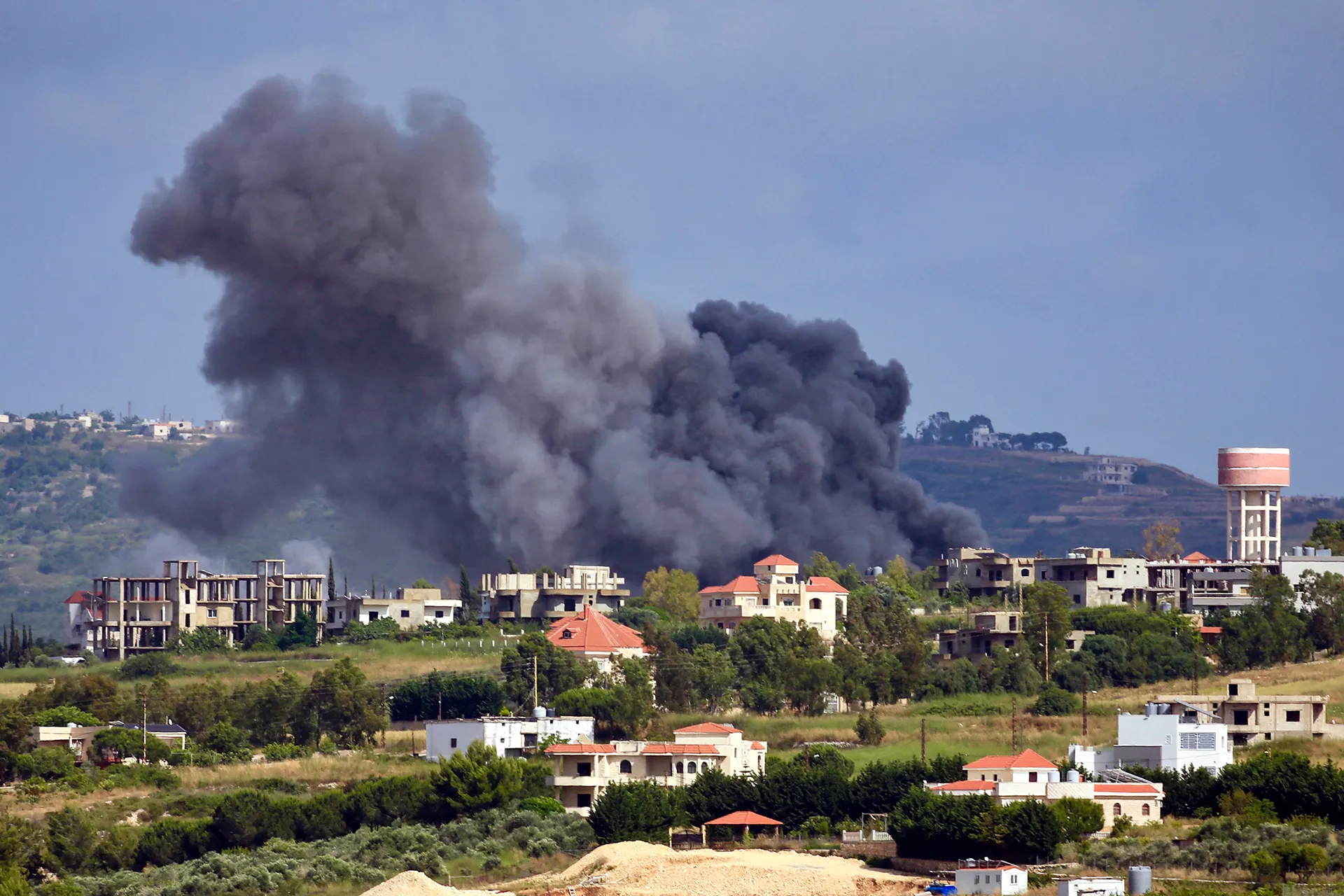
Two Lebanese civil defense paramedics sustained minor injuries on July 23, 2026, after an Israeli drone strike targeted their vehicle in Nabatieh Al-Fawqa in southern Lebanon. The incident involved an Israeli drone striking a civil defense vehicle in the area, leading to the reported injuries. The civil defense unit, a vital emergency service, was operating within the region when the attack occurred. The two paramedics were reportedly injured during the attack, which has drawn attention to the risks faced by emergency personnel in conflict zones. This specific incident adds to the growing concerns regarding the safety of humanitarian and civil defense workers operating in southern Lebanon.
Drone Strike Details
Lebanon's National News Agency (NNA) reported that the drone strike involved a guided missile. The NNA stated that the Israeli drone fired the missile at the civil defense vehicle while it was traveling on a public road in Nabatieh Al-Fawqa. This direct targeting of a civilian vehicle on a public thoroughfare has raised questions about adherence to international protocols for engagement. The attack occurred in southern Lebanon, a region where tensions have been significantly elevated for an extended period. The NNA account specified that the civil defense vehicle was hit directly by the guided missile, showing the precision of the strike. This incident resulted in minor injuries to the two paramedics onboard, as previously reported, emphasizing the immediate human cost of the attack. The NNA's statement showed the direct nature of the strike against the emergency services vehicle, providing a detailed account of the event. The targeting of a civil defense vehicle, identifiable by its markings, has been widely condemned by local officials.
Escalation in Southern Lebanon
Separately, and indicative of the broader regional volatility, Israeli forces supported by bulldozers and military vehicles entered the town of Sarbin, located in the Bint Jbeil district. During this incursion, Israeli forces fired heavy machine guns toward Sarbin, marking a significant ground operation. The incident occurred amidst heightened tensions in southern Lebanon, following the drone strike in Nabatieh Al-Fawqa, though it was a distinct operational event. The presence of military vehicles and bulldozers in Sarbin marked a ground operation distinct from the aerial attack on the civil defense vehicle. The use of heavy machine guns by Israeli forces in the direction of Sarbin indicates a direct engagement in the area, contributing to the ongoing series of incidents reported in the region. This ground movement, involving heavy machinery and direct fire, signals an intensification of military activities in the border area, separate from the aerial drone strike. The incursion into Sarbin notes the multifaceted nature of the ongoing military engagements in southern Lebanon.
Recent Military Movements
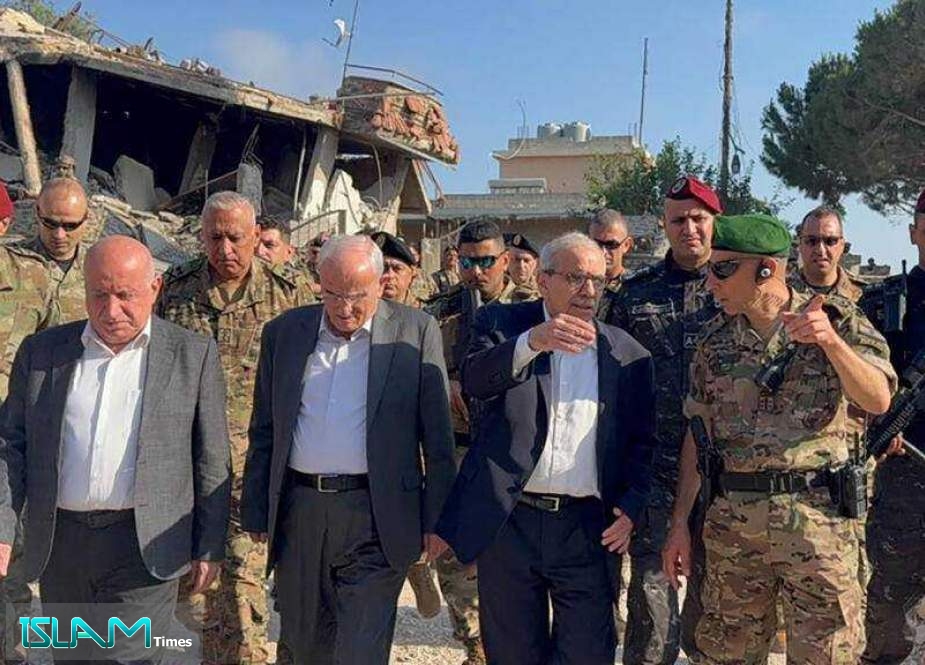
Two days before the drone strike, Lebanese army units took up positions in the town of Zawtar Al-Gharbiya in Nabatieh. This deployment followed the withdrawal of Israeli forces from the area, a movement that was part of established security arrangements. The Lebanese army's entry into Zawtar Al-Gharbiya and the preceding Israeli withdrawal were carried out under existing coordination frameworks. Both the deployment and the withdrawal of forces were conducted in conjunction with the Military Coordination Group for Lebanon (MCG4L). This coordination mechanism facilitates military movements in the region, aimed at managing security arrangements and de-escalating potential confrontations. The activity in Zawtar Al-Gharbiya represents a separate military development amidst ongoing tensions in southern Lebanon, showcasing the complex interplay of military forces and coordination efforts in the volatile region. Such coordinated movements are key for maintaining a semblance of stability despite the frequent outbreaks of violence and incursions. The role of the MCG4L in these movements shows the importance of established channels for military communication and de-confliction.