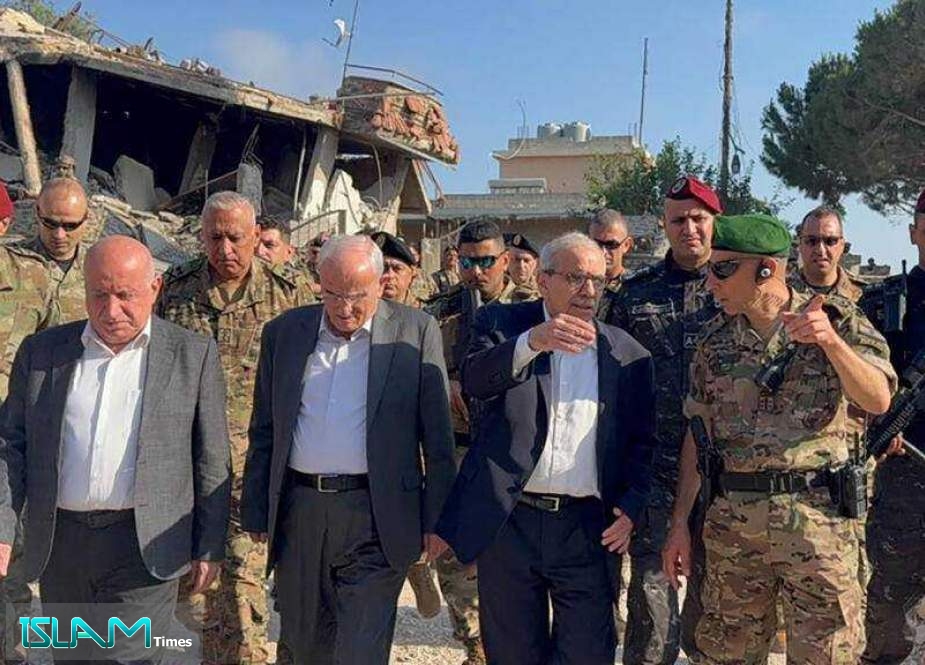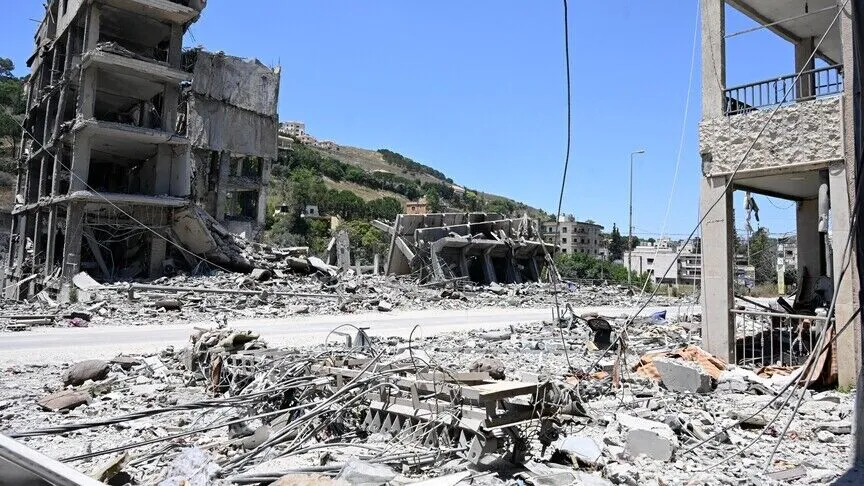
Three people, including two paramedics, sustained injuries from Israeli army fire in southern Lebanon on Thursday. This incident marks a significant development in the ongoing cross-border exchanges that have intensified in the region. Israeli forces reportedly targeted an area in southern Lebanon, leading to these casualties and exacerbating tensions in an already volatile border zone. The nature of the injuries and the specific circumstances of the targeting are currently under investigation, noting the immediate human impact of these military actions.
Attacks in Southern Lebanon
A Syrian national was shot and wounded by Israeli forces in the town of Ebel El-Saqi, located within the Marjeyoun district. This individual's injury shows the broader risk to civilians in the area. Separately, an Israeli drone struck a vehicle belonging to the Islamic Health Society in Nabatieh al-Fawqa, a critical incident that resulted in injuries to two paramedics who were on duty. The targeting of emergency medical personnel raises serious concerns about the safety of humanitarian workers operating in conflict zones.
An Israeli strike subsequently hit the Al-Barid neighborhood in Nabatieh al-Fawqa. This incident occurred as paramedics were inspecting the site of an earlier attack, further complicating their life-saving work. The strike led to additional injuries for two paramedics and caused significant damage to an ambulance, impairing the ability of the Islamic Health Society to respond to future emergencies. In addition to these specific incidents, Israeli artillery shelling was also reported in the Ali al-Tahir hills, situated on the outskirts of Nabatieh al-Fawqa. The shelling contributed to the series of cross-border incidents impacting the region, demonstrating a pattern of sustained military activity. The multiple incidents show the persistent exchanges occurring in southern Lebanon, where civilian infrastructure and personnel are increasingly affected. These events collectively paint a picture of heightened military engagement and its direct consequences on the ground.
US-Mediated Peace Framework
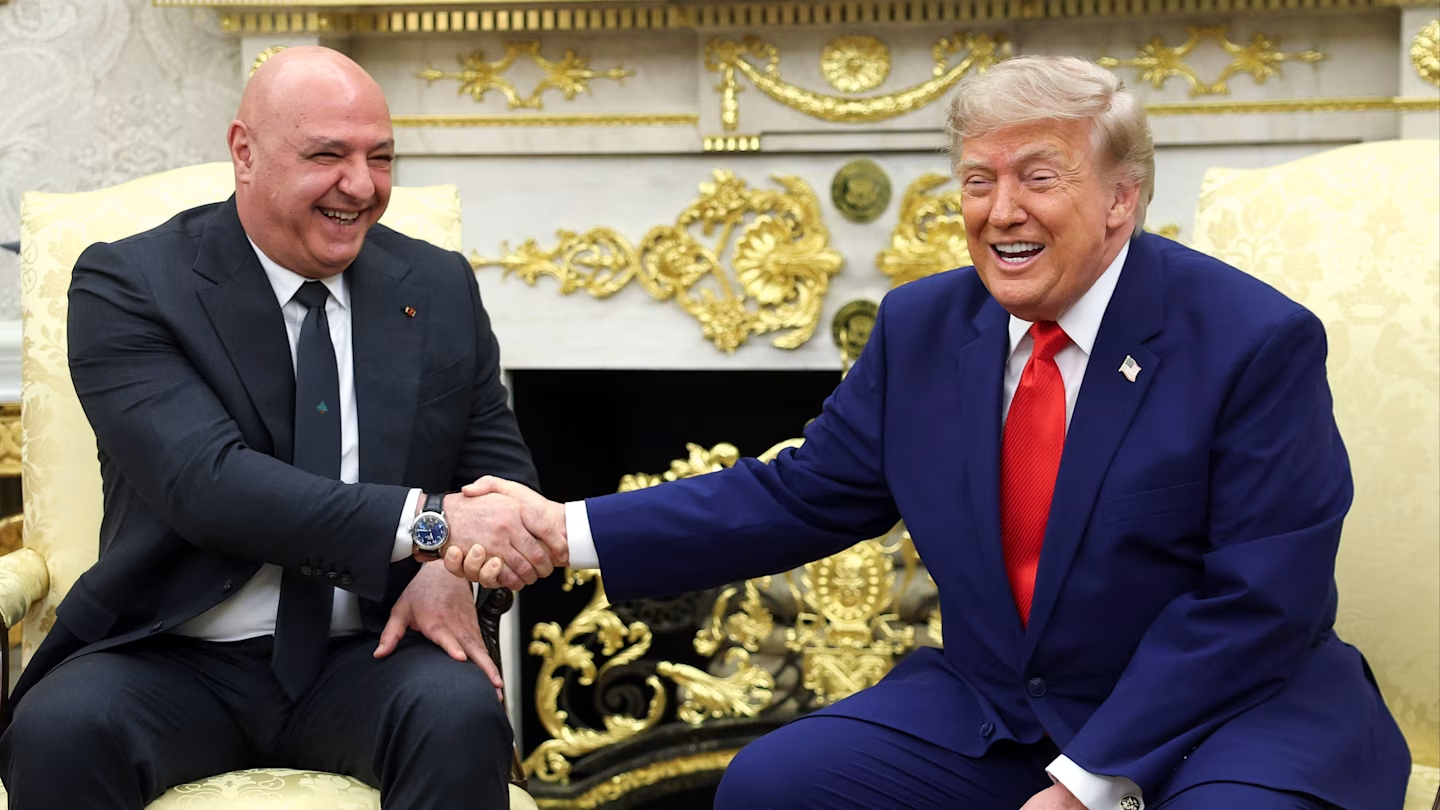
On June 26, Lebanon and Israel signed a US-mediated framework agreement that outlines a phased Israeli withdrawal from all occupied Lebanese territory. This agreement represents a diplomatic effort to de-escalate the long-standing conflict and establish a more stable border environment. The framework agreement specifically links the completion of this withdrawal to the Lebanese army assuming full security responsibility throughout the southern region and the disarmament of non-state groups, including Hezbollah. This condition notes the complex security challenges that need to be addressed for the agreement to be fully implemented.
On Monday, the US State Department announced the initiation of pilot zone operations in the Lebanese towns of Froun, Srifa, and Zawtar Al-Gharbiya. These operations are proceeding under the terms of the framework agreement, indicating a tangible step forward in the implementation process. The establishment of these pilot zones is intended to test the mechanisms and cooperation required for the full phased withdrawal and the assumption of security responsibilities by the Lebanese army. The success of these initial operations will be key in determining the pace and feasibility of the broader peace framework.
Broader Context and Statistics
Official Lebanese figures indicate that Israeli attacks in Lebanon have resulted in 4,328 fatalities and 12,232 injuries since March 2. These statistics provide a stark illustration of the human cost of the ongoing conflict and cross-border exchanges. The consistent accumulation of casualties shows the critical need for a lasting resolution to the hostilities. Israel maintains its occupation of several areas in southern Lebanon, with some of these territories having been seized during the conflict between October 2023 and November 2024. The continued presence of Israeli forces in these southern Lebanese regions remains a significant point of contention as peace framework discussions progress, directly impacting the sovereignty and stability of Lebanon. The reported casualties and territorial disputes show the complex and deeply entrenched situation in the border area, making the implementation of the US-mediated framework agreement all the more urgent.