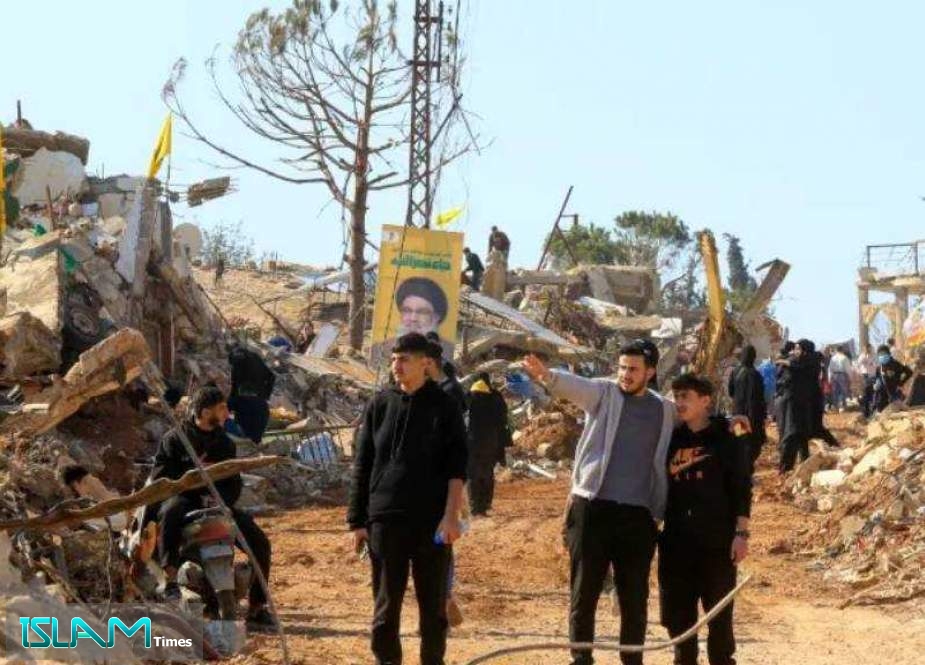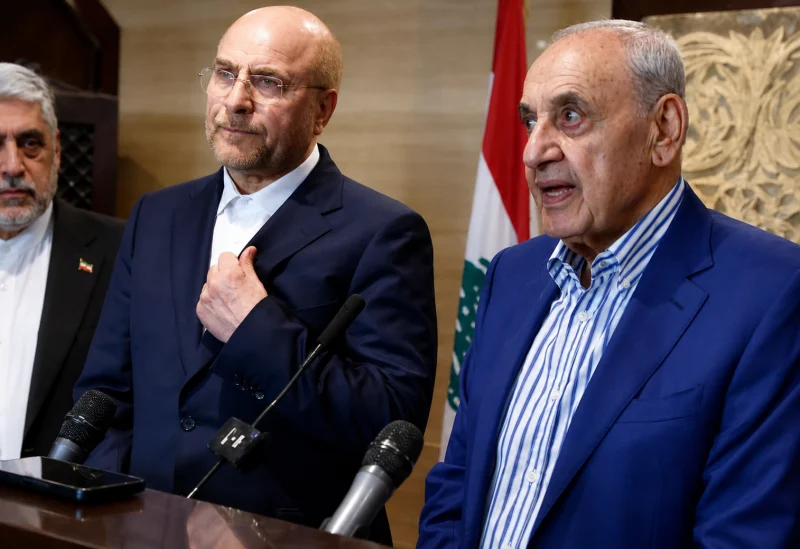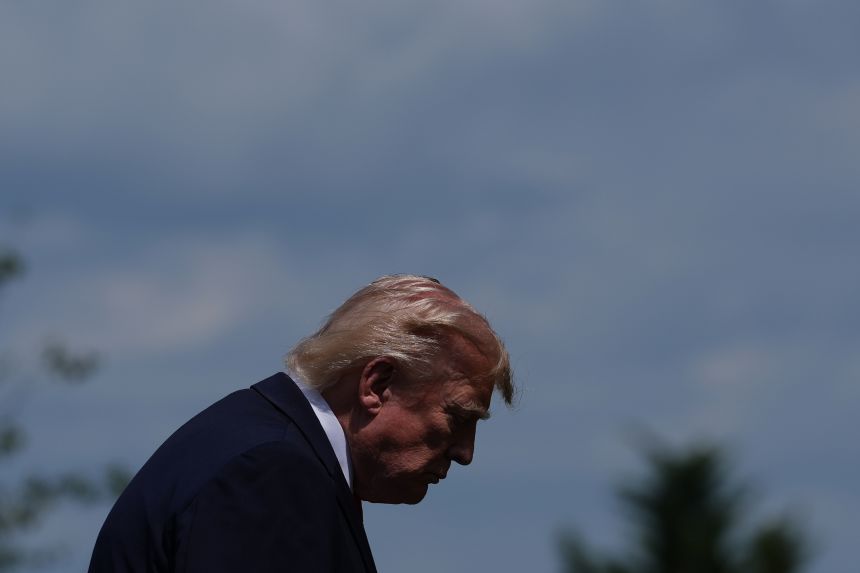
US President Donald Trump suggested on Tuesday that Israel should allow Syria to "deal with Hezbollah," claiming Damascus would be more effective. President Trump specifically stated that Damascus would do a "better job" in handling the Iran-backed militant group. This proposal marks the second time this month that Trump has raised the idea of Syria managing Hezbollah. Trump also told reporters on Tuesday that Israeli Prime Minister Benjamin Netanyahu needed to be "more responsible with respect to Lebanon." Netanyahu affirmed Israel's intent to not withdraw from southern Lebanon, Gaza, or Syria to "defend our country." "He is the president of the United States, and I am the prime minister of Israel," Netanyahu stated, adding, "I am responsible for Israel’s security interests, and it needs to be done wisely." This exchange notes a potential divergence in strategic approaches between the two leaders regarding regional security.
Syria's Troubled History in Lebanon
Syria dominated Lebanon's political landscape for nearly three decades, exerting significant influence over its smaller neighbor. Syrian forces initially deployed into Lebanon in 1976, marking the beginning of a substantial Syrian presence. This intervention, which occurred amidst the Lebanese Civil War, established a long-lasting military and political footprint. The presence of Syrian forces in Lebanon continued until 2005, a period during which Damascus played a decisive role in Lebanese government formation, security apparatus, and economic affairs. During its presence, Syria exerted considerable political and military influence over its smaller neighbor, shaping its internal dynamics and often dictating policy. The long history of Syrian involvement has profoundly shaped Lebanese politics and public sentiment, leaving a complex legacy of cooperation and resentment. More recently, the Iran-backed Shiite Lebanese militant group Hezbollah intervened on behalf of former Syrian President Bashar al-Assad during the Syrian civil war. Hezbollah's involvement in the Syrian conflict demonstrated its alignment with the Assad regime and Iran, further entrenching its role in regional dynamics and raising concerns about its growing power. This intervention showed the deep connections between regional non-state actors and state interests, particularly those of Iran.
New Syrian Leadership and Denials
Former Syrian President Bashar al-Assad fell from power in 2024, leading to a significant shift in the country's leadership. The current leader of Syria is President Ahmad al-Sharaa, who was previously identified as an al-Qaeda jihadist. This change in leadership has introduced new dynamics to regional relations, particularly concerning Syria's immediate neighbors, as the new government seeks to establish its legitimacy and define its foreign policy. The transition has been closely watched by international observers due to al-Sharaa's past associations and the potential implications for regional stability.
Last week, President al-Sharaa addressed concerns regarding Syrian involvement in Lebanon. He denied reports suggesting any form of Syrian intervention in Lebanon, stating that such claims were "completely false." His denial aimed to clarify the new Syrian government's stance on its western neighbor, a country with which Syria shares a long and often contentious history. The statement comes amidst ongoing regional discussions about stability and sovereignty, particularly as the new Syrian administration attempts to navigate its relationships with neighboring states and international powers. Al-Sharaa's comments were intended to signal a departure from past Syrian policies of direct interference in Lebanese affairs.
Lebanese and Israeli Reactions
US President Donald Trump has raised his proposal for Syria to manage Hezbollah twice this month, indicating a consistent line of thought from the American administration. Israeli Prime Minister Benjamin Netanyahu acknowledged that he and Trump hold differing views on certain matters, particularly regarding the specifics of regional security strategies. In a Monday evening news conference, Netanyahu stated that he and President Trump “do not always see eye to eye,” a rare public admission of disagreement between the two close allies. This statement showed the complexities of the US-Israel relationship, even under supportive administrations.
Meanwhile, Lebanon's internal dynamics remain complex, influenced by its diverse demographic composition. The country is a multi-sectarian society comprising over a dozen ethnic and religious minority groups, including one of the region’s largest Christian populations. This diverse composition often influences its political and security landscape, making consensus-building challenging and contributing to internal fragilities. The presence of numerous political and religious factions means that any external intervention or proposal, such as Trump's, is likely to be met with a wide range of reactions within Lebanon.
Regarding regional diplomatic efforts, a senior US official informed CNN on Monday that the Trump administration's emerging ceasefire agreement with Iran does not include a requirement for Israel to withdraw its forces from Lebanon. This detail clarifies the scope of the ceasefire discussions, indicating that Israel's presence in Lebanon is not a condition of the current agreement. The official's statement provides important context to the ongoing negotiations, suggesting that while broader regional de-escalation is sought, specific Israeli military deployments are being handled separately. This allows Israel to maintain its strategic positions without violating the terms of the potential ceasefire with Iran.