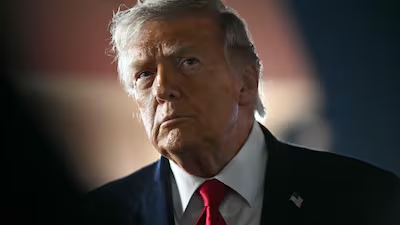
US President Donald Trump stated that Syria could assist in addressing the threat posed by Hezbollah in Lebanon. Mr. Trump suggested this potential role for Syria as part of his broader desire for Lebanon's future, indicating a strategic perspective on regional stability. The President elaborated on his hopes for the country, stating his wish to see a "better life" for Lebanon. This aspiration, voiced by a prominent international leader, shows the significant challenges and potential pathways for the nation's future. His remarks highlight a perspective on regional security dynamics and the complex interplay of actors in the Middle East, suggesting a willingness to consider unconventional approaches to long-standing conflicts. The proposal itself signals a recognition of Syria's potential influence in shaping the geopolitical landscape of its neighbors, particularly concerning non-state actors like Hezbollah.
US Proposal for Syria's Role
Reports emerged earlier this year indicating that Washington was seeking to persuade the Syrian President to deploy forces into eastern Lebanon. This effort aimed to curb Hezbollah activity in the region, specifically targeting the group's operational capabilities and supply lines. The proposal for Syrian intervention was initially discussed last year, noting a persistent interest in leveraging Syrian involvement for regional security. It resurfaced following the commencement of the Iran war in February, bringing renewed attention to potential regional strategies and the urgency of addressing escalating conflicts. The renewed focus on this strategy suggests a growing concern over the stability of Lebanon and the broader implications of Hezbollah's actions.
Syrian border reinforcements, according to the proposal, could potentially halt the movement of combatants, weapons, and equipment associated with Hezbollah into Lebanon. This measure is envisioned as a way to disrupt the logistical support for the group, which is key for its sustained operations. The strategic placement of Syrian forces along the border could significantly impede Hezbollah's ability to resupply and reinforce its positions within Lebanon, thereby reducing its overall operational effectiveness. The focus on eastern Lebanon suggests a strategic interest in controlling key transit routes and areas where Hezbollah maintains influence or operational presence. These areas are often critical for the movement of personnel and materiel, making their control vital for any effort to contain the group. The discussions highlight ongoing international efforts to address the complex security landscape in Lebanon and the broader implications of regional conflicts, seeking pathways to de-escalation and stability. Such a move, if implemented, would represent a significant shift in regional dynamics, potentially altering the balance of power and influence along the Syrian-Lebanese border.
Syrian Actions and Stance
Reports in March indicated that military deployments were observed near sections of the Syrian-Lebanese border. These deployments coincided with earlier discussions regarding a potential Syrian role in curbing Hezbollah activities, adding a tangible dimension to the diplomatic overtures. The timing of these movements suggested a possible alignment with the proposed strategy to involve Syria in regional security efforts. Damascus stated that the military movement near its border with Lebanon was exclusively defensive in nature. This declaration aimed to clarify the intent behind the deployments, assuring neighboring states and international observers that the troop movements were not aggressive.
The Syrian government's insistence on the defensive purpose of its forces aimed to clarify the intent behind the deployments amidst regional tensions, preventing misinterpretation or escalation. This clarification from Damascus came as international attention focused on strategies to address the security landscape in Lebanon and the broader implications for regional stability. The Syrian government's public position emphasized its sovereign right to deploy forces within its own territory for national security purposes. However, the proximity to the Lebanese border and the context of ongoing discussions about Hezbollah's activities naturally drew international scrutiny. The reported movements and subsequent Syrian statements show the complex and often sensitive military positioning within the border areas, where even routine defensive measures can be viewed through a lens of regional geopolitical maneuvering. The situation notes the delicate balance of power and the constant need for diplomatic clarification in a volatile region.
Shifting US Aid to Lebanon
The United States has decided to reduce its assistance to the Lebanese army, allocating $36 million for fiscal year 2027. This reduction marks a significant change from previous years, reflecting a potential re-evaluation of US foreign aid priorities or a response to the evolving security situation in Lebanon. The decision to reduce aid could have substantial implications for the capabilities and operational readiness of the Lebanese armed forces. Since 2021, the Lebanese army has annually received between $100 million and $200 million in funding from the US, establishing a consistent level of support for its operations and modernization efforts. This steady stream of funding has been key for maintaining stability and combating various threats within Lebanon.
The specific allocation for fiscal year 2027 represents a notable decrease compared to the consistent range provided over the past three years. This adjustment in US financial support could have implications for the Lebanese army's capabilities and operations, potentially affecting its ability to maintain internal security and respond to external threats. The reduction in aid comes amidst ongoing discussions about regional security and the roles of various actors in Lebanon, suggesting that the US might be recalibrating its approach to supporting the country's military institutions. Such a significant cut could necessitate the Lebanese army to seek alternative sources of funding or to scale back certain programs, impacting its overall effectiveness. The shift in aid levels also raises questions about the long-term US commitment to the Lebanese armed forces and the broader implications for regional stability, particularly in the context of Hezbollah's continued influence.
Regional Conflict Dynamics
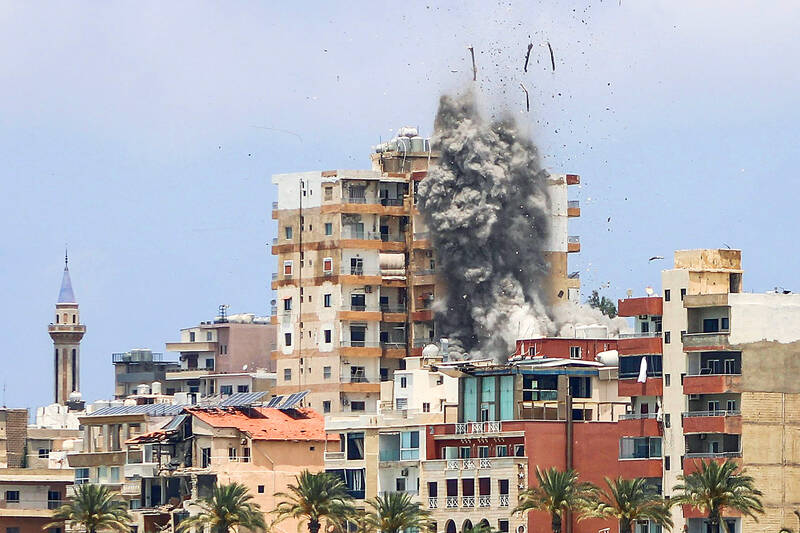
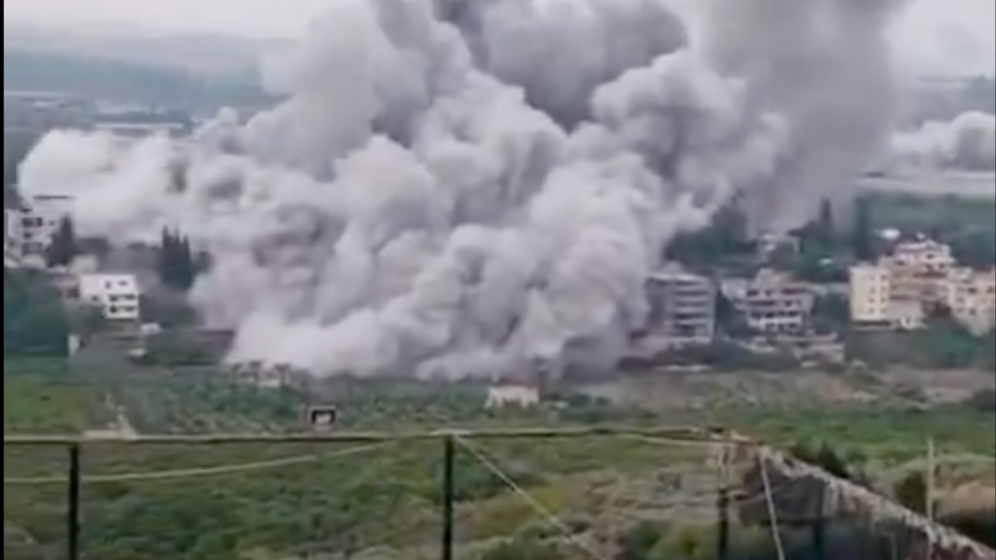
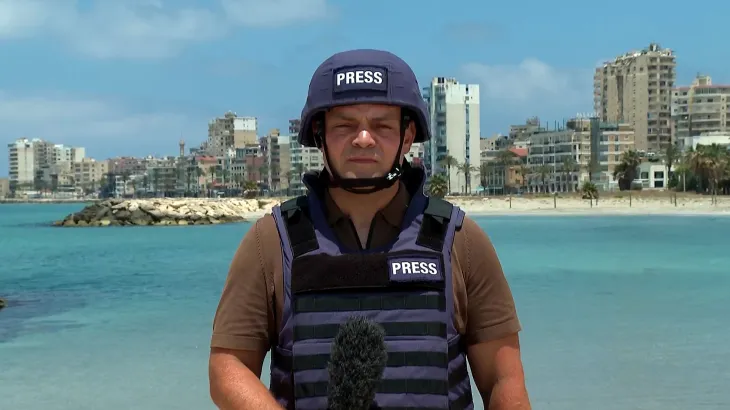
Hezbollah launched missiles at Israel following the killing of the Islamic republic's supreme leader, Ayatollah Ali Khamenei. These missile launches were described as retaliation for the death of the Iranian leader, escalating an already tense regional situation. The direct link between the death of a high-profile Iranian figure and Hezbollah's actions shows the deep ties between the group and Iran, and the broader implications of events in Iran for regional stability. Meanwhile, Israel has maintained its campaign in Lebanon, during which thousands of people have been killed. This sustained military operation has had devastating humanitarian consequences. This campaign has also resulted in approximately 1.2 million individuals being displaced from their homes, creating a significant humanitarian crisis within Lebanon. The scale of displacement notes the severe impact of the conflict on civilian populations and infrastructure.
Concurrently, Hezbollah has continued its own attacks against Israel, perpetuating a cycle of violence and retaliation. These ongoing exchanges of fire contribute to the instability along the Israeli-Lebanese border and exacerbate regional tensions. The reciprocal nature of these attacks makes de-escalation particularly challenging. In an effort to de-escalate the months-long conflict, Pakistan has reportedly been mediating between the United States and Iran. This mediation aims to find a resolution to the ongoing tensions and hostilities in the region, seeking to bridge the diplomatic gap between key international and regional players. Pakistan's involvement as a mediator notes the international community's concern over the escalating conflict and the urgent need for diplomatic solutions to prevent further widespread violence and instability. The success of such mediation efforts is critical for fostering a path towards a more peaceful resolution.
Diplomatic Engagements
US ambassador to Lebanon, Michel Issa, stated on Monday, June 8, 2026, that "everything happening in Washington is in Lebanon’s interest." This remark, delivered during a period of heightened regional tensions and shifting US policy, aimed to reassure Lebanese stakeholders of continued American commitment to their nation's well-being. The ambassador's statement sought to frame US actions as ultimately beneficial for Lebanon, despite any perceived shifts in aid or strategic approaches. This public affirmation of support is key in maintaining diplomatic ties and influencing public perception in Lebanon.
This remark came as Lebanese army chief Gen. Rodolphe Haykal met his Pakistani counterpart, Asim Munir, on Tuesday, June 9, 2026, in Islamabad. Gen. Haykal had departed for Pakistan on Saturday, June 7, 2026, for his visit, indicating a planned and significant diplomatic outreach. The meeting between the two military leaders shows the ongoing efforts to strengthen international partnerships and discuss regional security challenges. These high-level discussions likely focused on strategies for de-escalation, regional stability, and potential avenues for military cooperation or intelligence sharing. These diplomatic engagements unfolded amid ongoing discussions regarding regional security and the roles of various international actors in the Middle East, illustrating the multifaceted approach being taken to address the complex geopolitical landscape. Such interactions are vital for building consensus and coordinating efforts among nations concerned with the stability of the Levant.