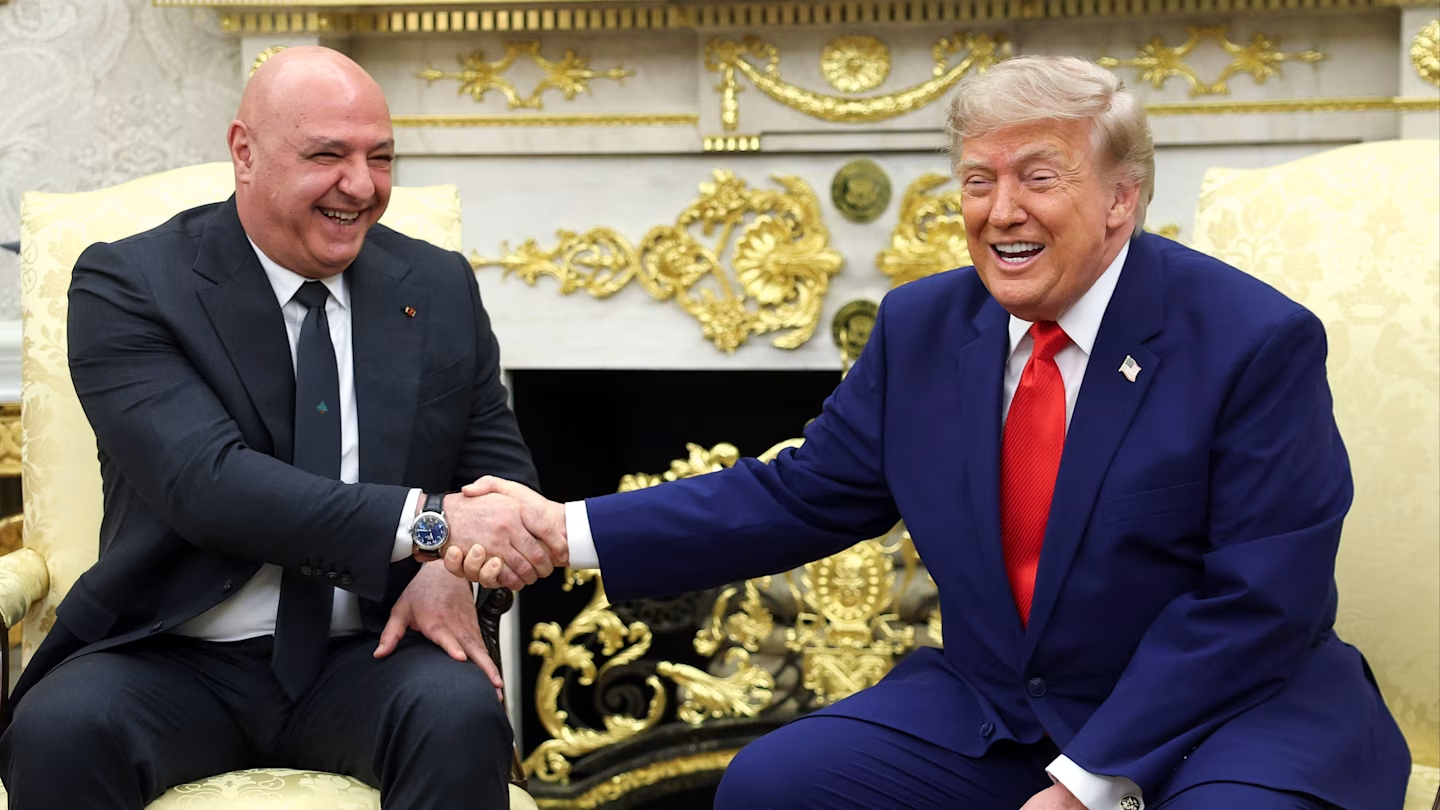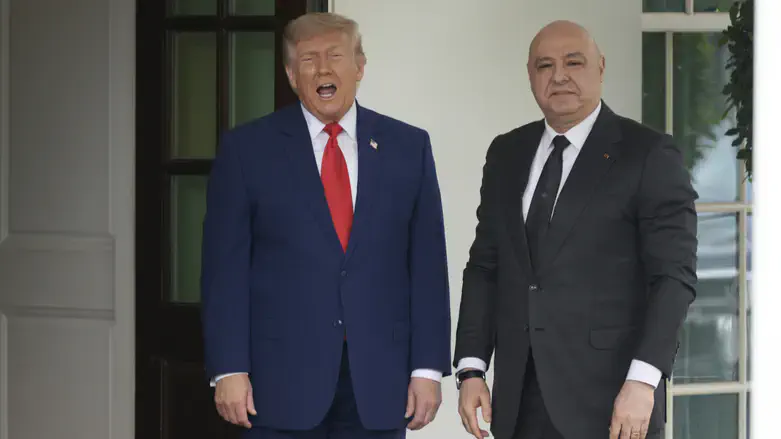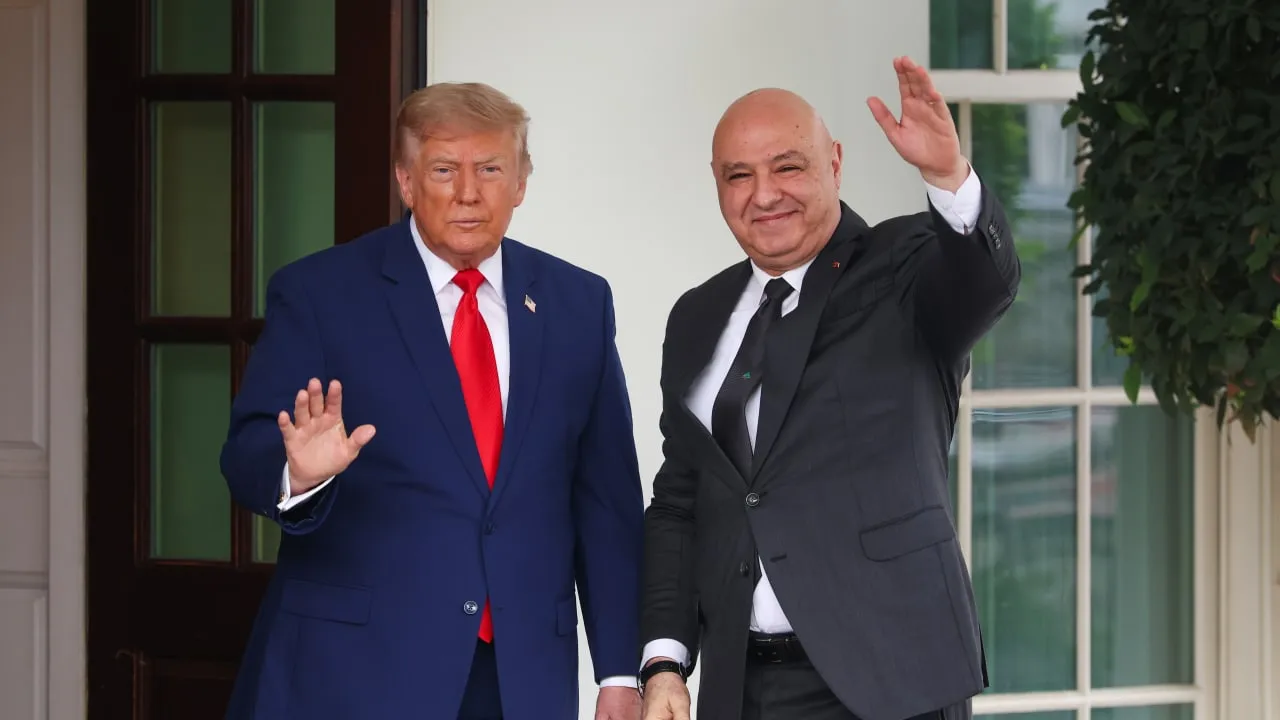
US President Donald Trump met with Lebanese President Joseph Aoun in Washington on July 21, pledging significant support for Lebanon. The high-level meeting took place as a Framework Agreement, announced on June 26, is being implemented to redeploy forces in the Levant. This agreement aims to foster greater stability and security across the region. President Trump stated, "It’s been a very badly treated place and country, and we’re going to have it properly treated and treated with the respect it deserves. We’re gonna help it a lot." He added that Lebanese forces are "in the process of doing that. They’re in the process of redeploying," indicating active steps towards implementing the agreement. President Aoun affirmed Trump's approach during their discussions, remarking that "your vision is peace." This direct engagement at the highest level signals a renewed focus on Lebanon's role in regional stability.
High-Level Diplomatic Engagement
President Joseph Aoun's visit marks the first time a Lebanese leader has been received at the White House in almost 20 years, showing the renewed diplomatic significance placed on Lebanon. This engagement follows a series of diplomatic meetings by President Donald Trump with other key regional figures, noting a concentrated push for stability. President Trump recently held discussions with Syrian leader Ahmed al Shara’a, indicating direct communication channels are open across critical regional players. He also met with Iraq’s Prime Minister Ali al Zaidi in recent weeks, further cementing the breadth of Washington's diplomatic efforts. These high-level meetings show a broader engagement strategy in the Middle East, coinciding with ongoing efforts to implement a Framework Agreement for regional force redeployments. The direct engagement with leaders from Lebanon, Syria, and Iraq notes a concentrated diplomatic push from Washington aimed at fostering a more secure and stable environment. This concerted diplomatic activity suggests a strategic re-evaluation of US policy in the Middle East, with a particular emphasis on direct engagement with national leaders.
Broader Regional Strategy
Lebanon is now considered a key component of U.S. Policy in the region, according to Washington officials, reflecting its strategic importance in the ongoing efforts for peace and stability. The U.S. Is actively working to bolster stability in Syria, Iraq, and Lebanon as part of a wider strategic approach, aiming to create a more resilient and secure regional landscape. This effort comes amid significant military actions elsewhere, with the U.S. Having conducted 11 consecutive nights of strikes targeting Iran as of July 22. These strikes indicate a strong and multifaceted engagement by the United States across the broader Middle East. The diplomatic overtures to leaders in Beirut, Damascus, and Baghdad are occurring concurrently with these military operations, illustrating a full strategy aimed at regional recalibration. Washington is moving to shore up Syria, Iraq, and Lebanon, recognizing their interconnectedness in achieving broader regional stability. This dual approach of diplomatic outreach and military action signals a determined effort by the United States to shape the future of the Middle East.
Personal Connections and Peace Vision
President Donald Trump has pledged to help Lebanon "a lot," indicating substantial future support and a commitment to its recovery and stability. This commitment aligns with a broader vision for regional stability, which Lebanese President Joseph Aoun articulated by stating, "your vision is peace." This shared vision forms a key foundation for future cooperation between the two nations. The diplomatic engagement also revealed personal connections, as Sebastian Gorka, a former advisor, posted on X/Twitter about his past relationship with President Aoun. Gorka noted that "eighteen years ago, Colonel Joseph Aoun was my student at National Defense University as a Department of War Counterterrorism Fellow," noting a long-standing familiarity with the Lebanese leader. Gorka added that Aoun was "an exceptional student at that," speaking to President Aoun's capabilities and dedication. Gorka further remarked on the current leaders, describing them as "two true leaders fearlessly committed to their people and to Peace in the Middle East," emphasizing their shared goal of regional tranquility. These personal insights add a unique dimension to the high-stakes diplomatic discussions, suggesting a deeper understanding and respect between the parties involved.