US President Donald Trump addressed Middle East issues on Tuesday, June 16, 2026, suggesting Syria should manage Hezbollah and commenting on the ongoing Iran nuclear deal and Israel's actions in Lebanon. Trump stated, "We have our deal done with Iran, and it should be successful, it goes to a second stage, which I think would be actually easier." He emphasized that his primary concern was preventing Iran from acquiring nuclear weapons, adding, "The only thing that really matters to me is that Iran will never have a nuclear weapon." These remarks came as Mr. Trump discussed a range of complex regional dynamics, offering his perspective on key diplomatic and security challenges. He specifically noted what he perceived as progress in negotiations with Tehran, characterizing the understandings reached as a significant step forward.
Trump also indicated a desire for Iran's enriched uranium, saying, "Psychologically, we want to get Iran's enriched uranium." He warned of severe consequences if this did not happen, stating, "all hell will break loose on it." Regarding regional security, Trump suggested, "Syria should do the job," concerning Hezbollah. He further elaborated, "If Israel can't do the job without killing everyone else, Syria should do the job," and noted that Syria should "handle Hezbollah." This suggestion showed a shift in approach to regional security responsibilities, proposing a greater role for Syria in managing the Iran-backed group. Trump believed Benjamin Netanyahu needed to act "with much greater responsibility" regarding Lebanon, despite stating, "We have an excellent relationship." His comments reflected a nuanced view of the relationship with Israel, acknowledging strong ties while also expressing specific criticisms regarding military operations.
Iran Deal Progress
Donald Trump claimed that understandings reached between Washington and Tehran concerning Iran had been "successful" and were now progressing to a "second stage" of implementation. Mr. Trump characterized the agreement with Iran as a "fair agreement." He further elaborated on the nature of these understandings, indicating that they were designed to achieve specific objectives without direct financial investment from the United States into Iran. The former president specified that the United States would not invest money in Iran as part of these understandings. He reiterated that preventing Tehran from acquiring nuclear weapons remained the most critical issue for him, a cornerstone of his foreign policy stance on the Islamic Republic.
He issued a warning that if Iran were to attempt to obtain nuclear weapons in the future, "all hell will break loose on it," signaling a firm red line in US policy. Mr. Trump also stated his belief that Iran is currently led by a "rational leadership," a perspective that informed his approach to the ongoing negotiations and the potential for a peaceful resolution. This assessment suggested a belief that the Iranian government could be reasoned with and that diplomatic solutions were viable. The former president's remarks provided insight into his strategy for managing the complex relationship with Iran, balancing firm warnings with an acknowledgment of potential diplomatic pathways. He emphasized that the primary goal was to ensure Iran never develops nuclear capabilities, and that the "second stage" of the deal was key for solidifying this outcome.
Lebanon Conflict Stance
Donald Trump conveyed messages to Israel concerning its operations against Hezbollah, according to his statements. He indicated that he had made clear to Israel that he did not approve of a particular strike carried out in Beirut. This direct communication showed his active engagement with regional events and his willingness to voice dissent regarding specific military actions undertaken by allies. The former president also stated that the United States desired to take possession of Iran's enriched uranium, a critical component in nuclear weapons development, as a means to further de-escalate nuclear proliferation risks. This objective was presented as a key psychological and strategic goal for the US.
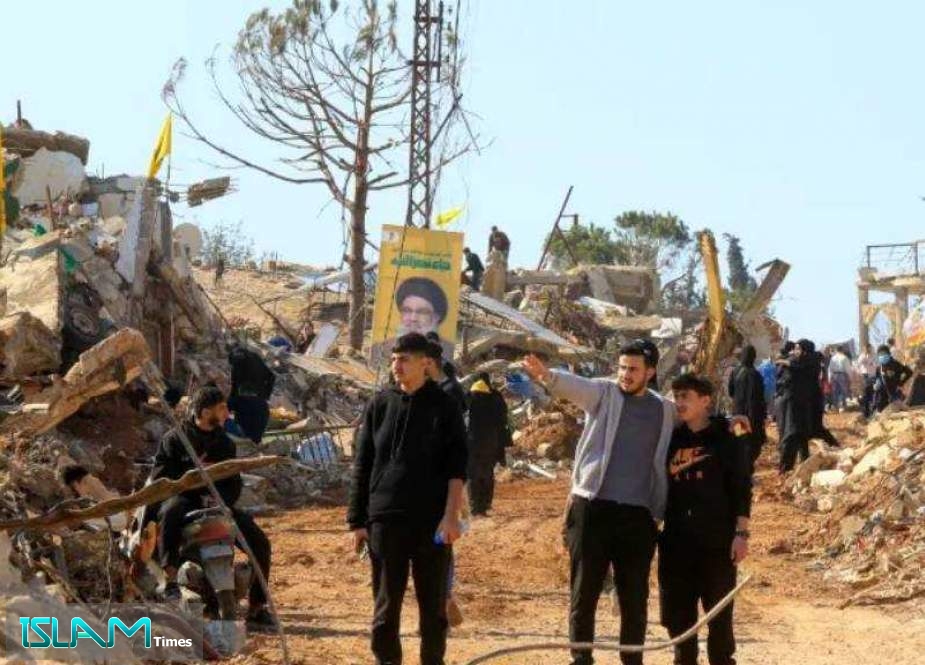
Trump characterized the ongoing conflict in Lebanon as "relatively small," a description that potentially downplayed the severity of the situation for some observers but reflected his own assessment of its scale in the broader regional context. His statements on the conflict also included his belief that Israeli Prime Minister Benjamin Netanyahu needed to act "with much greater responsibility" regarding Lebanon. This call for increased responsibility from the Israeli leadership noted a perceived need for more cautious and considered actions in the volatile border region. Trump's comments on the Lebanon conflict provided a candid look into his views on the military engagements and the roles of various regional actors.
Broader Regional Context
Former President Donald Trump addressed the broader regional dynamics, specifically commenting on his relationship with Israeli Prime Minister Benjamin Netanyahu. Trump stated that he maintained an "excellent relationship" with Prime Minister Netanyahu, despite specific disagreements on operational tactics. This comment came amidst discussions about Israel's actions in Lebanon and the former president's suggestions regarding Syria's role in handling Hezbollah. Trump had previously indicated that he had conveyed messages to Israel concerning its operations against Hezbollah, including his disapproval of a specific strike in Beirut. Despite these remarks, he characterized his rapport with the Israeli leader positively, emphasizing the strength of their underlying alliance even when tactical differences arose.
His statements also touched upon the progress of an Iran nuclear deal, which he described as advancing to a "second stage" after initial understandings were deemed "successful" by his administration. This forward-looking assessment of the Iran deal noted his continued focus on preventing nuclear proliferation in the region. Trump explicitly suggested that "Syria handle Hezbollah," advocating for a re-evaluation of regional security responsibilities and potentially shifting the burden of managing the militant group. He posited that if Israel was unable to address the issue without causing widespread casualties, then Syria should step in, a significant and unconventional proposal. These full remarks from Donald Trump provided a detailed overview of his current perspectives on the Middle East's most pressing security and diplomatic challenges.