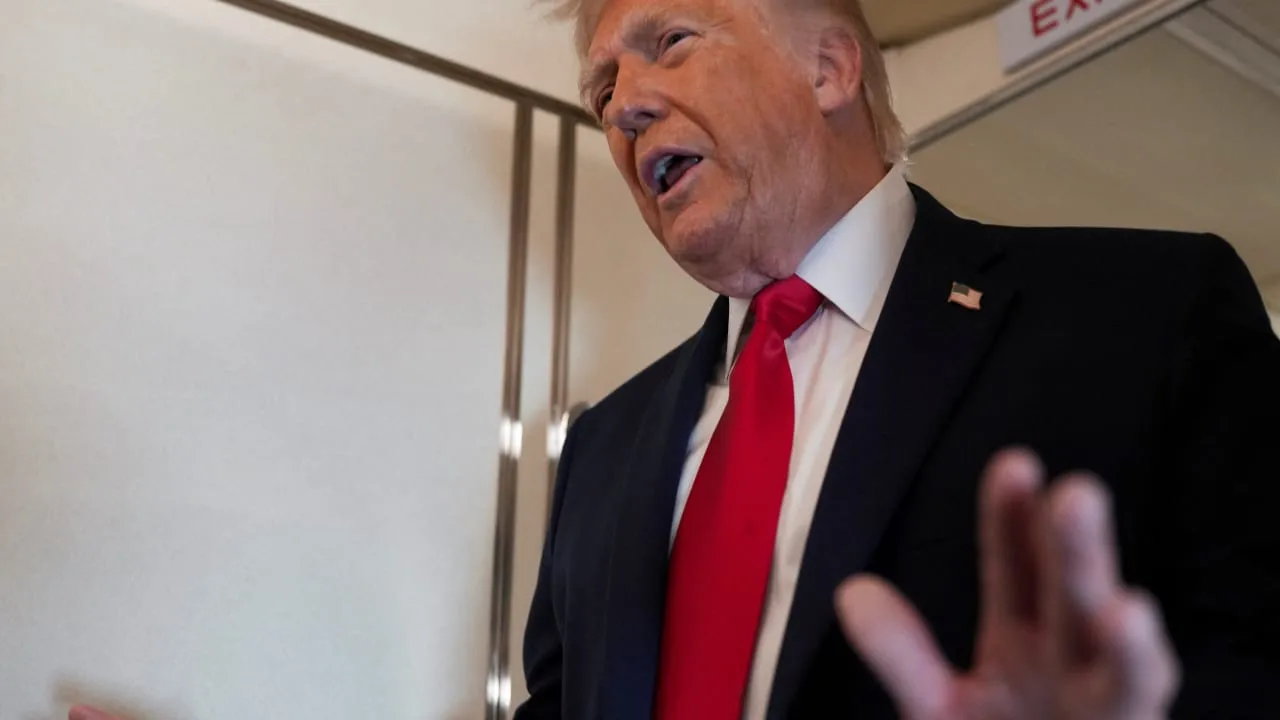
Former U.S. President Donald Trump on Sunday denounced the Israel Defense Forces (IDF) strikes in Beirut, expressing his displeasure with both the military actions and Israeli Prime Minister Benjamin Netanyahu's decisions. Speaking to Israel's Channel 12 on Sunday, Trump questioned the timing of the strikes, which occurred just hours before a significant U.S.-Iran ceasefire deal was anticipated to be signed. Trump told Israel's Channel 12 that he was unhappy with the IDF's strikes on Beirut and with Prime Minister Benjamin Netanyahu's choices. "Bibi has no fing discretion," Trump stated, adding, "Why did [he] do this attack?" Trump conveyed his anger over the situation, noting, "Hezbollah fired and hit the middle of nowhere. Nobody was hurt. And then he has to fing attack, and in Beirut. That made me very angry." He urged restraint from all parties, asserting, "There should be no more attacks by Israel anywhere in Lebanon, but there should also be no more attacks by any other party, including Hezbollah, against Israel." Trump concluded, "This could be the beginning of a long and beautiful peace - Let's not blow it!"
IDF Strikes and Hezbollah Fire
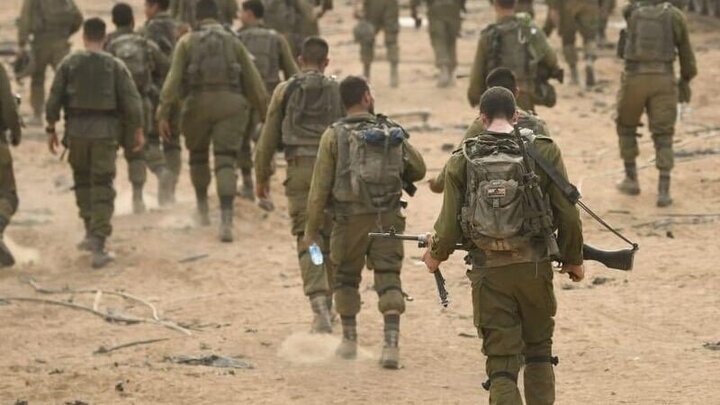
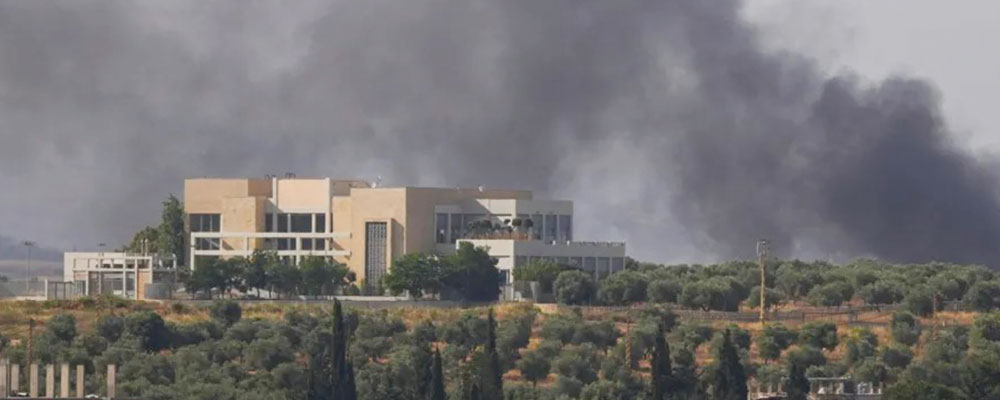
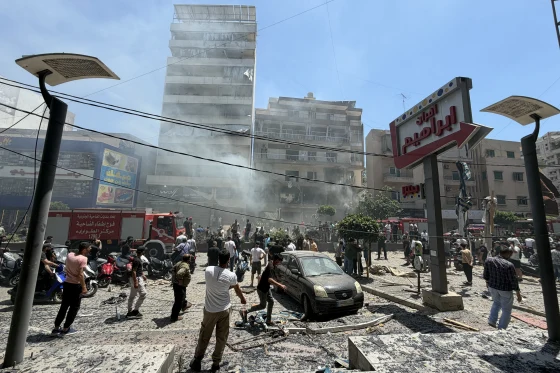
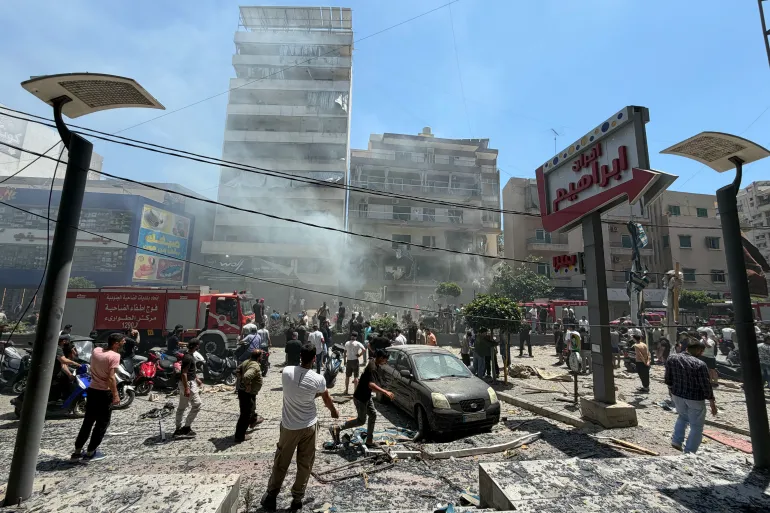
The Israel Defense Forces (IDF) carried out strikes in Beirut's Dahiyeh district, responding to Hezbollah fire directed toward Israeli territory. The IDF conducted strikes in the Dahiyeh district of Beirut in response to Hezbollah fire toward Israeli territory. Israeli Prime Minister Benjamin Netanyahu and Defense Minister Israel Katz confirmed the IDF operations in a joint statement. The statement asserted, "Israel will not tolerate fire directed at its territory." The IDF targeted one of Hezbollah's command centers located in Dahiyeh, identified as facilities used to "advance terrorist attacks against the citizens of the State of Israel and IDF soldiers operating in southern Lebanon." The strikes targeted one of Hezbollah's command centers in Dahiyeh used to "advance terrorist attacks against the citizens of the State of Israel and IDF soldiers operating in southern Lebanon."
The command center was described as a key operational hub for Hezbollah, playing a key role in coordinating their activities. Its targeting by the IDF signaled a clear message regarding Israel's resolve to counter threats emanating from Lebanese territory. Prior to initiating the strike, the IDF informed CENTCOM of its intentions. This notification was reported by Axios reporter Barak Ravid. The IDF notified CENTCOM shortly before conducting the strike, according to Axios reporter Barak Ravid. This pre-notification notes a level of coordination or at least communication with U.S. Forces in the region regarding significant military operations. The strikes followed earlier Hezbollah fire, which, according to former President Donald Trump, did not result in casualties. However, the Israeli government emphasized its policy of non-tolerance for such cross-border aggression. The coordinated response from the IDF aimed to degrade Hezbollah's capabilities and deter further attacks from Lebanese territory, reinforcing Israel's commitment to protecting its citizens and soldiers.
Trump's Criticism and Rationale
Donald Trump emphasized his desire for an end to hostilities, stating, "There should be no more attacks by Israel anywhere in Lebanon," and adding, "but there should also be no more attacks by any other party, including Hezbollah, against Israel." Trump stated, "There should be no more attacks by Israel anywhere in Lebanon," and "there should also be no more attacks by any other party, including Hezbollah, against Israel." The former U.S. President articulated his position during an interview with Israel's Channel 12, advocating for a cessation of retaliatory actions from all sides. He stressed the importance of de-escalation to prevent further conflict in the region, particularly in the context of recent events in Beirut. His call for a mutual cessation of hostilities showed his belief that continued tit-for-tat exchanges only serve to escalate an already tense situation, drawing the region closer to a broader conflict.
Trump expressed significant anger over the timing and nature of the Israeli response to earlier Hezbollah fire. He characterized the initial Hezbollah action as relatively minor, noting, "Hezbollah fired and hit the middle of nowhere. Nobody was hurt." Trump said, "Hezbollah fired and hit the middle of nowhere. Nobody was hurt. And then he has to fing attack, and in Beirut. That made me very angry." He then criticized the subsequent IDF strike in Beirut, stating, "And then he has to fing attack, and in Beirut. That made me very angry." This sentiment suggests Trump perceived the Israeli retaliation as disproportionate, especially given his assertion that the initial Hezbollah fire caused no casualties. His strong reaction shows his belief that the Israeli action was ill-advised, particularly as it occurred shortly before an anticipated U.S.-Iran ceasefire deal. The former president's comments highlight his concern that such military actions could jeopardize broader diplomatic efforts in the Middle East, potentially undermining progress towards regional stability.
Broader Context and Implications
Donald Trump reiterated his disapproval of the IDF actions on Truth Social, linking them to broader diplomatic efforts. "This morning's attacks should not have happened, particularly on a special day when we are so close to a Peace Deal with Iran," he wrote, showing his view on the timing of the Israeli strikes. Trump wrote on Truth Social, "This morning's attacks should not have happened, particularly on a special day when we are so close to a Peace Deal with Iran." The former U.S. President characterized the initial threat Israel faced as "very small and meaningless," suggesting the retaliatory measures were disproportionate. Trump stated that the threat Israel was defending itself against was "very small and meaningless." Trump's comments came as a significant U.S.-Iran ceasefire deal was anticipated to be signed later on Sunday evening. The US-Iran ceasefire deal was expected to be signed on Sunday evening. His remarks indicate a potential concern that the strikes could jeopardize the impending diplomatic agreement, which aims to de-escalate tensions in the region. Trump's public denunciation of the IDF's actions, made by a former US President, adds a notable layer of international pressure and scrutiny to Israel's military decisions, particularly in a sensitive geopolitical environment where a major diplomatic breakthrough was on the horizon.