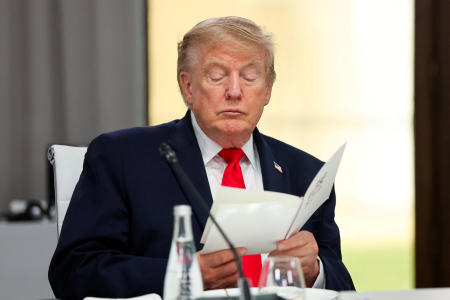
Former U.S. President Donald Trump recently stated his positive relationship with Israeli Prime Minister Benjamin Netanyahu, while also suggesting that Syria should address the issue of Hezbollah. Trump remarked, "If Israel can’t do the job (against Hezbollah) without killing everyone else, than he (Sharaa) will do the job. Syria will do the job." This statement came as Netanyahu indicated that Israel would continue operations "as long as necessary." Trump had also explicitly told Israel that he did not like its attack on Beirut, signaling his disapproval of specific military actions.
US-Iran Peace Deal Framework
Iran's Foreign Minister Abbas Araghchi stated on Tuesday that an end to the ongoing war on all fronts, including Lebanon, represented "the most important" issue within the framework of a proposed peace deal with the United States. Mr. Araghchi explained that the peace deal memorandum involves America and Israel as one party, and Iran and Hezbollah as the other. "The important point I want to emphasize here is that in our view, there are two parties to this memorandum — one side is America and Israel, and the other side is Iran and Hezbollah," he said. This clear delineation of parties shows the complex geopolitical alignments at play in the region and the nature of the negotiations.
Mr. Araghchi emphasized the central role of ending hostilities in the region. He noted, "This is perhaps the most important issue in the memorandum — the declaration of an immediate and permanent end to the war on all fronts, including in Lebanon." He further elaborated that "ending the war in Lebanon is an inseparable part of the complete end of the war," specifically mentioning the need for this without the withdrawal of Israeli forces from territories it occupied during the conflict. The conflict itself began on February 28 with US-Israeli strikes on Iran, marking a significant escalation that drew multiple actors into the fighting. The Iranian Foreign Minister's comments highlight the deep-seated grievances and territorial disputes that the proposed peace deal aims to address.
The Iranian Foreign Minister also issued a warning regarding future actions. "Any military attack by the Zionist regime on Lebanon from now on and the continued occupation of Lebanese territories from now on will be considered a violation of the memorandum of understanding in our view," Mr. Araghchi stated. This warning serves as a critical condition for Iran's adherence to the agreement, showing the delicate balance of power and the potential for renewed conflict. The deal between Iran and the United States is anticipated to be signed on Friday in Switzerland, a location often favored for high-stakes international diplomacy. The impending signing has generated considerable international attention, given the profound implications for regional stability.
Lebanon's Stance and Israeli Occupation
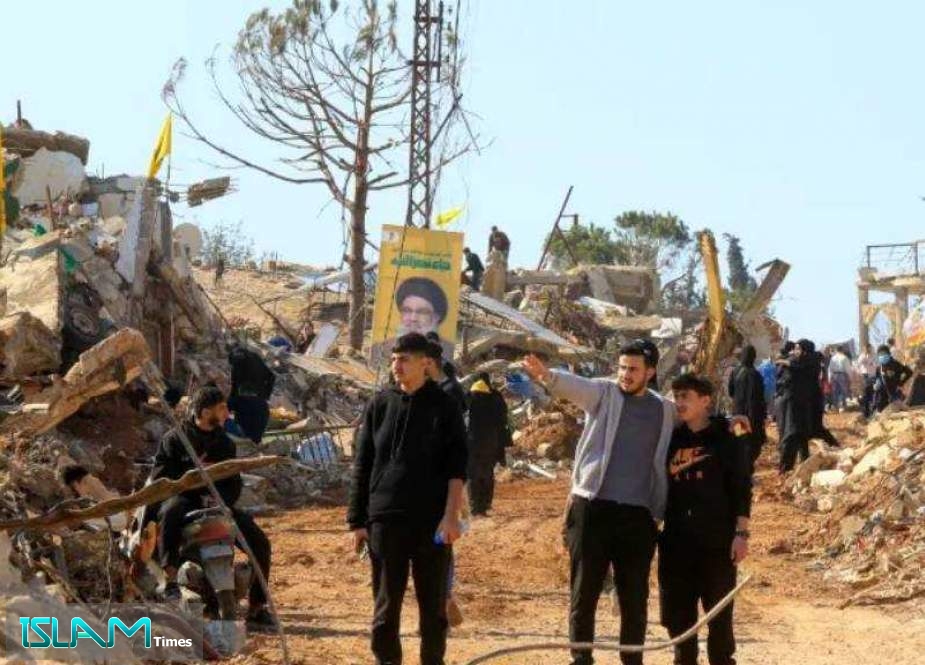
Lebanon became involved in the conflict in early March after Iran-backed Hezbollah initiated rocket attacks against Israel following the killing of Iran’s supreme leader. This event dramatically expanded the scope of the conflict, drawing Lebanon directly into the hostilities. Iranian Foreign Minister Abbas Araghchi stated that a complete cessation of hostilities requires the withdrawal of Israeli forces from territories occupied during the war. Araghchi specified that an end to the war would not be complete "without the withdrawal of Israeli forces from the territories it occupied in this war." This demand for Israeli withdrawal is a cornerstone of the proposed peace agreement from the Iranian and Lebanese perspectives, reflecting long-standing grievances over territorial control. He also warned that any future military action by Israel or continued occupation of Lebanese land would breach the proposed peace agreement. "Any military attack by the Zionist regime on Lebanon from now on and the continued occupation of Lebanese territories from now on will be considered a violation of the memorandum of understanding in our view," Araghchi said, reinforcing the red lines for the Iranian side.
Following the announcement of the potential deal on Monday, the Lebanese militant group Hezbollah reported it had engaged Israeli forces attempting to advance in southern Lebanon. This engagement, occurring even as peace talks progressed, illustrates the ongoing volatility on the ground and the challenges inherent in securing a lasting ceasefire. Lebanese President Joseph Aoun and Prime Minister Nawaf Salam reiterated Lebanon’s position in ongoing negotiations. They reaffirmed the country's commitment to achieving a permanent ceasefire and securing the withdrawal of Israeli forces from its territories. Their unified stance reflects a national consensus in Lebanon regarding the terms necessary for peace and sovereignty. The demand for Israeli withdrawal from occupied territories remains a central point of contention and a key indicator of the potential success or failure of the peace efforts.
Trump's Diplomatic Intervention
Former U.S. President Donald Trump communicated his disapproval to Israel regarding its attack on Beirut. This direct intervention by a former American president notes the international scrutiny and pressure placed on Israel's military actions. Mr. Trump, in a diplomatic intervention, also offered praise for Syrian President Ahmed Al-Sharaa, stating that he was doing an "amazing job." This commendation for the Syrian leader, particularly in the context of regional instability, adds another layer of complexity to the diplomatic landscape. These statements come amidst ongoing regional tensions and discussions about a potential peace deal involving various parties, showing the multifaceted nature of the conflict and the diverse opinions among international actors regarding its resolution.
Israeli Prime Minister Benjamin Netanyahu has maintained that his country's forces will continue their presence in Lebanon, Syria, and Gaza. Mr. Netanyahu affirmed that Israeli forces would remain in these territories "as long as necessary." This stance signals Israel's intent to sustain its military operations and presence in the specified areas for an indefinite period, despite international calls for a cessation of hostilities. The Prime Minister's declaration shows the differing approaches to the conflict's resolution among key regional and international actors. His assertion directly contradicts the demands from Iran and Lebanon for Israeli withdrawal, setting up a potential impasse even if a deal is signed. The continued presence of Israeli forces in these territories is a significant point of contention and a major obstacle to achieving full and lasting peace in the region. The statements from both Trump and Netanyahu reveal the divergent interests and strategies at play, complicating the path toward a stable resolution.