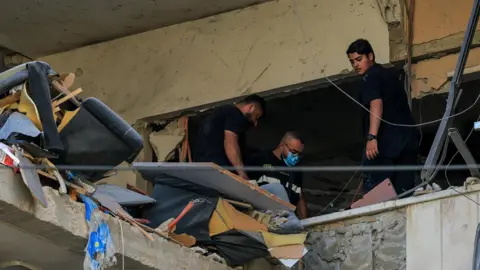
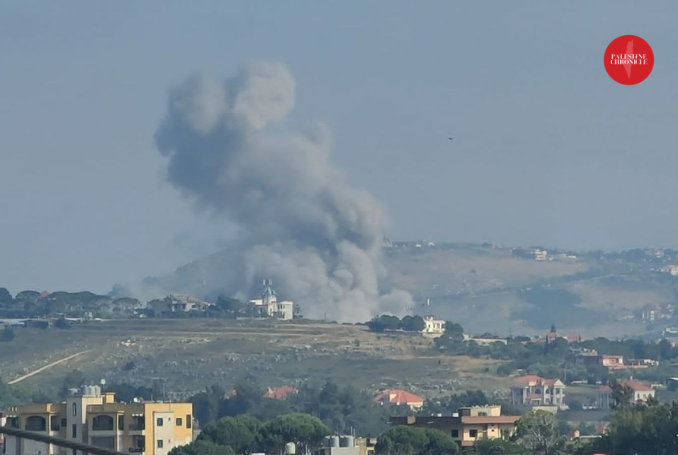
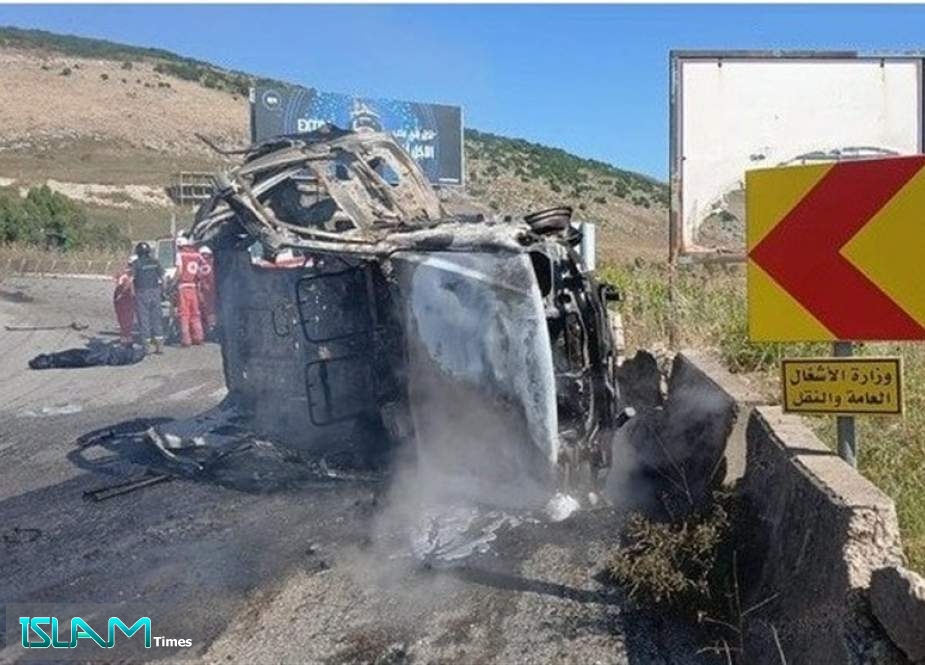
Israeli forces conducted strikes on Sunday against the southern suburbs of Beirut, a stronghold of the pro-Iranian Hezbollah. The military stated these actions were in retaliation for attacks targeting its territory. These actions by Israel, which carried out strikes on Sunday on the southern suburbs of Beirut, a stronghold of the pro-Iranian Hezbollah, were explicitly stated as retaliation for attacks targeting its territory. The strikes mark a significant escalation in regional tensions, drawing international attention to the renewed hostilities.
Escalating Conflict and Casualties
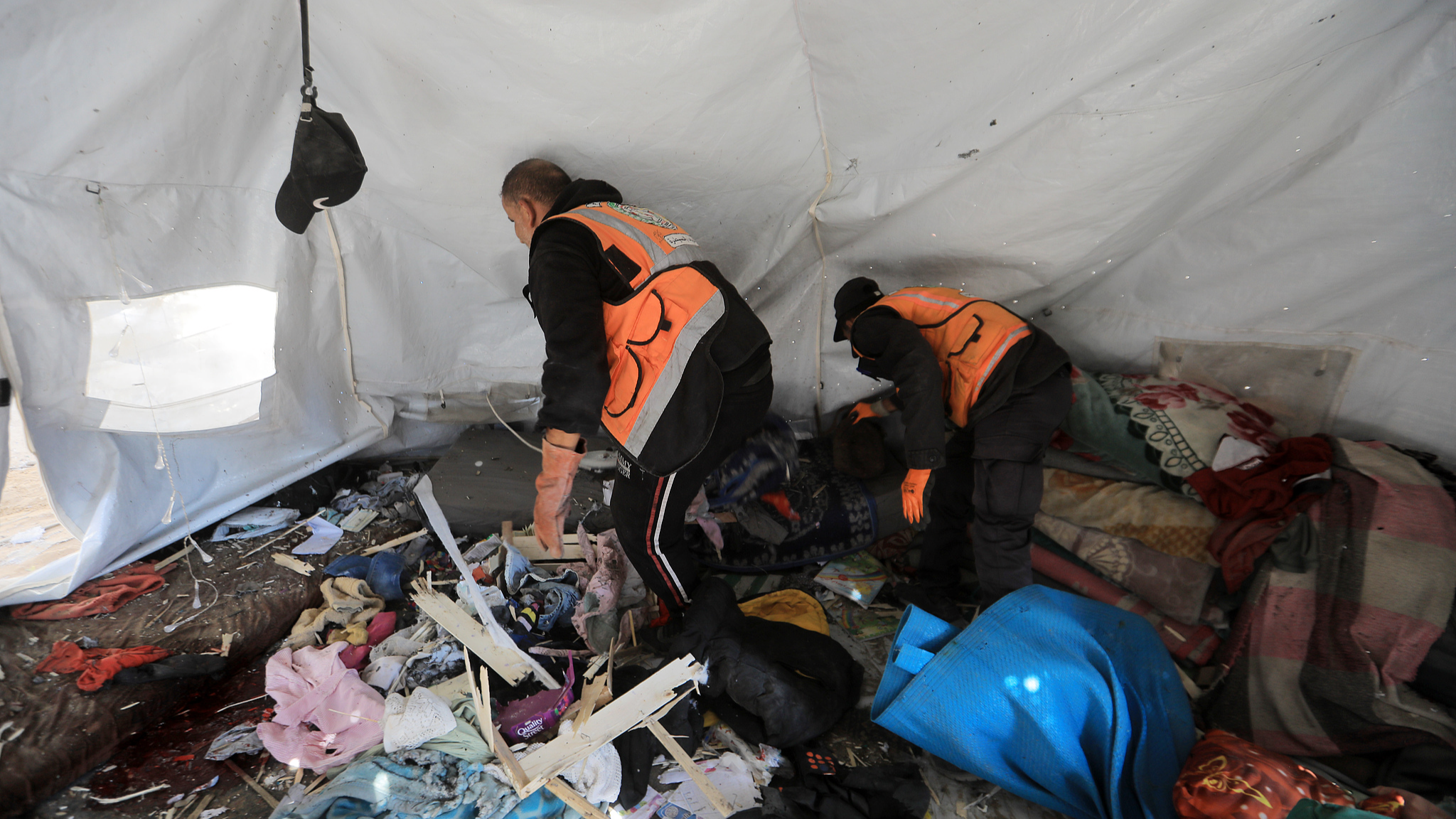
A ceasefire intended to end fighting between Israel and Hezbollah, which took effect on April 17, has not been fully respected. This ceasefire, which was supposed to bring an end to the intense fighting between the two sides, has seen numerous violations, leading to continued violence. Israeli strikes on Lebanon have resulted in the destruction of numerous buildings and caused more than 3,560 fatalities since fighting recommenced on March 2, according to the latest official figures. These figures show the severe human and infrastructural cost of the ongoing conflict, with widespread damage reported across Lebanese territories targeted by Israeli forces. The restart of fighting on March 2 has plunged the region back into a cycle of violence, despite earlier diplomatic efforts to de-escalate the situation.
Trump's Stance on Lebanon and Iran
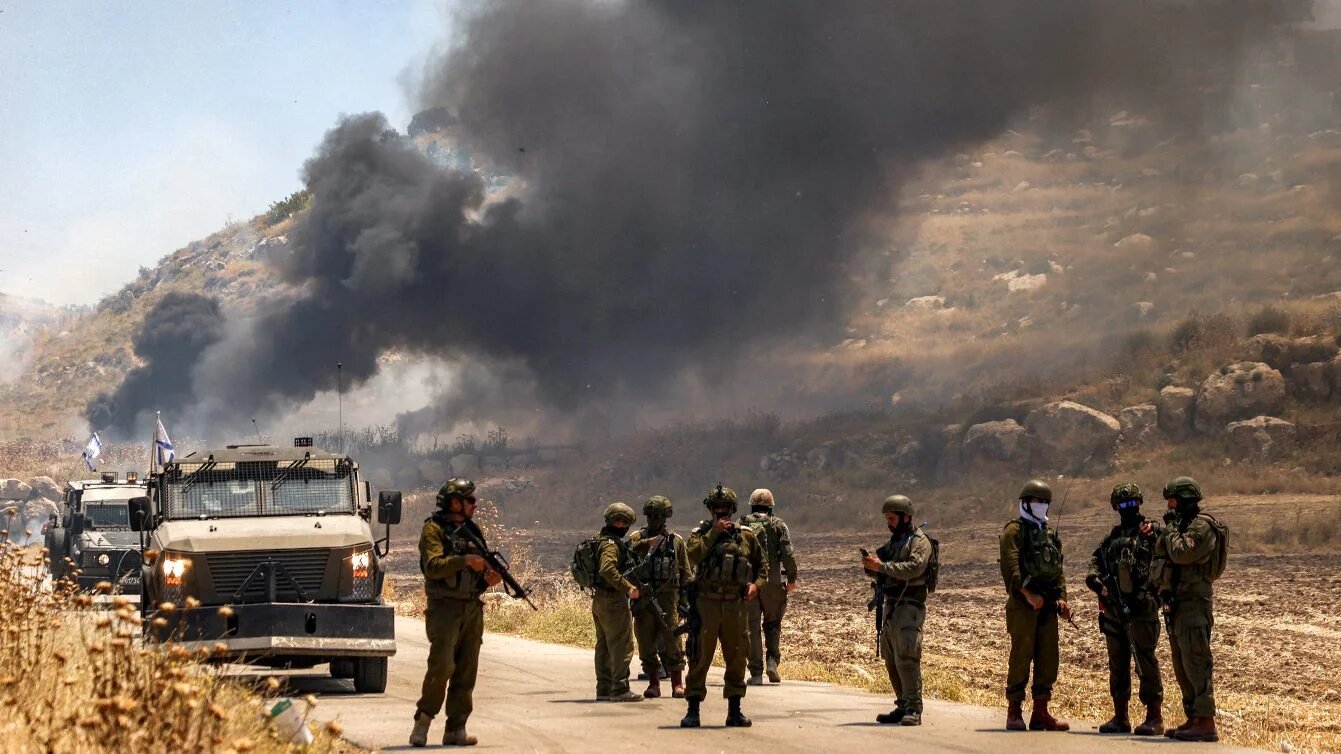
US President Donald Trump stated he is not demanding that Lebanon be included in any potential Iran deal. "No, no. Not at all. I'm not demanding. I think they'd like to see it, but I'm not demanding," Trump said, clarifying his position on the matter. President Trump reiterated that he is not demanding that Lebanon be included in the Iran deal, signaling a distinction in his administration's foreign policy approach to the two nations. He expressed a desire for a "more surgical attack on Hezbollah," adding, "I think it should be more surgical." This preference for targeted military action against the militant group reflects a strategy aimed at minimizing broader regional destabilization. Trump further commented, "I'd like to see Lebanon have a better life," emphasizing a humanitarian concern for the Lebanese populace amidst the conflict. He also suggested Syria could play a role, stating, "We can recommend Syria. Syria's doing a very good job of cleaning up their act. They have a very good leader. And he would love to help." This statement indicates a potential diplomatic avenue through Damascus, as perceived by the US President. Meanwhile, on the Israeli side, the army reported that 29 soldiers and one civilian contractor have been killed in Lebanon, according to official military figures. These casualties highlight the dangers faced by Israeli personnel engaged in the conflict.
Calls for Resolution and Diplomacy
Hezbollah initiated attacks against Israel to avenge the death of Iranian supreme leader Ali Khamenei, who was killed during the initial phase of the US-Israel offensive. This act of retaliation by Hezbollah shows the deep-seated motivations behind the current hostilities, directly linking the conflict to the earlier loss of a key Iranian figure. Syrian President Ahmed al-Sharaa has expressed a strong desire to assist in brokering an agreement in the ongoing conflict in Lebanon. He indicated that Syria could play a constructive role in de-escalating tensions and fostering stability in the region, offering a potential pathway for diplomatic engagement. President al-Sharaa specifically stated he would 'love to help' forge an agreement in the Lebanon conflict, signaling his readiness to mediate. This offer comes at a critical time, as regional leaders seek avenues to bring an end to the escalating violence and destruction.