The Trump administration on Thursday extended deportation protections for approximately 11,000 Lebanese nationals in the United States. The Department of Homeland Security announced the six-month extension, allowing existing beneficiaries to maintain their protections. This decision ensures that these individuals, who hold Temporary Protected Status (TPS), can remain in the U.S. Without fear of deportation through November 27. The extension specifically allows Lebanese nationals to stay and work in the United States for another six months, providing a period of temporary relief and stability.
Automatic Extension Mechanism
The Trump administration's decision to extend deportation protections for Lebanese nationals was automatic due to the Department of Homeland Security missing its statutory deadline to decide on the Temporary Protected Status (TPS) extension. Under federal law, if the department fails to make a timely decision regarding a TPS designation, the status is automatically extended for six months. This mechanism ensures beneficiaries retain their status even if an administrative deadline is not met by the Department of Homeland Security. The automatic extension shows the legal framework designed to prevent an abrupt lapse in protection for individuals who may face unsafe conditions in their home countries.
Temporary Protected Status grants individuals authorization to work in the United States, typically in increments of up to 18 months. For Lebanese TPS holders, work permits already issued will remain valid until November 27. This automatic extension provides temporary relief and continuity for the approximately 11,000 Lebanese nationals currently under TPS, allowing them to continue their lives and employment in the U.S. Without immediate disruption. The authorization to work is a critical component of TPS, enabling beneficiaries to support themselves and their families while residing in the United States.
Context of Conflict and Policy
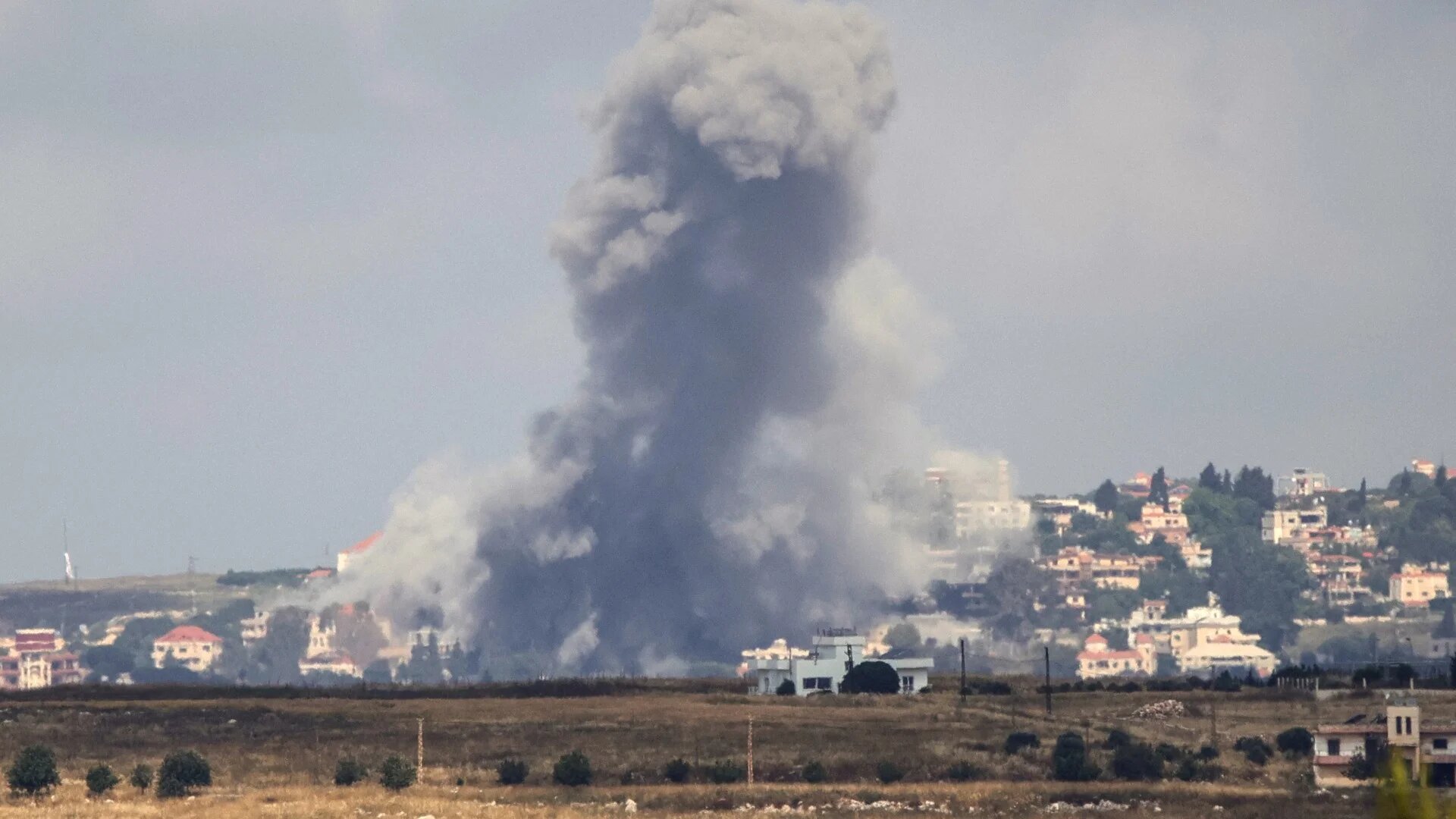
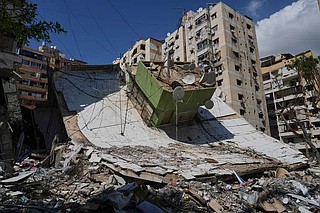
The extension for Lebanese nationals comes amid ongoing fighting in southern Lebanon between Israeli troops and Hezbollah fighters. This situation has contributed to the conditions under which the Department of Homeland Security's decision, or lack thereof leading to the automatic extension, was made. The ongoing conflict notes the very type of extraordinary conditions that the Temporary Protected Status program was designed to address.
This is the second instance where the Trump administration has automatically extended a Temporary Protected Status designation. The federal mechanism allows for such extensions if the Department of Homeland Security misses its statutory deadline for review, ensuring that beneficiaries are not penalized for administrative delays. The automatic nature of the extension for Lebanese nationals reflects a procedural safeguard embedded within the TPS framework.
The first automatic extension under the current administration occurred nearly a year ago, applying to nationals from South Sudan. That decision similarly allowed beneficiaries to retain their immigration status due to an administrative deadline lapse. These automatic extensions highlight the procedural intricacies involved in managing the TPS program, which provides a humanitarian safety net.
Currently, federal courts are handling dozens of lawsuits that challenge the administration's termination of Temporary Protected Status for other countries. These legal actions reflect broader disagreements over the criteria and processes used for TPS designations and their terminations, showing the contentious nature of immigration policy. The sheer volume of litigation indicates the significant impact these decisions have on hundreds of thousands of individuals.
Advocates' Calls for Permanence and Future Implications
The six-month extension allows Lebanese nationals to maintain their ability to both reside and work in the United States. This continued protection provides temporary stability for the beneficiaries, offering a key reprieve from the threat of deportation. The Temporary Protected Status program itself was established by Congress in 1990, designed to offer refuge to foreign nationals unable to return safely to their home countries due to armed conflict, environmental disaster, or other extraordinary and temporary conditions. The program serves as a vital humanitarian tool, reflecting a commitment to protecting vulnerable populations.
For other nationalities, similar extensions have preceded terminations, creating uncertainty for beneficiaries. For example, protections for South Sudan were ultimately terminated in November 2025, following a six-month extension period. This precedent raises questions about the long-term future of TPS for Lebanese nationals and other groups. The future of TPS for other groups also faces judicial review. The Supreme Court is expected to issue a decision this summer regarding Temporary Protected Status designations that have protected nationals from Haiti and Syria. That ruling could significantly impact the program's scope and the security of its beneficiaries, potentially setting new legal precedents for how TPS is applied and terminated. The outcome of these high-profile cases will be closely watched by immigration advocates and beneficiaries alike, as they could reshape the landscape of humanitarian immigration relief in the United States.