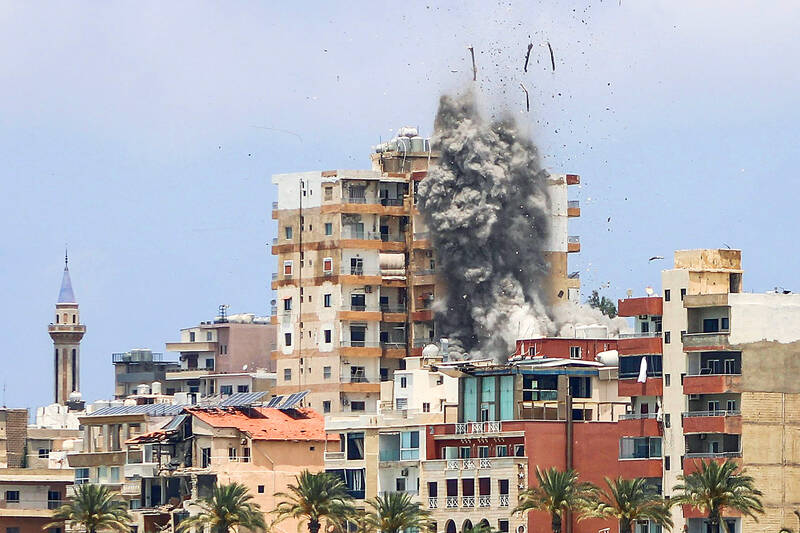
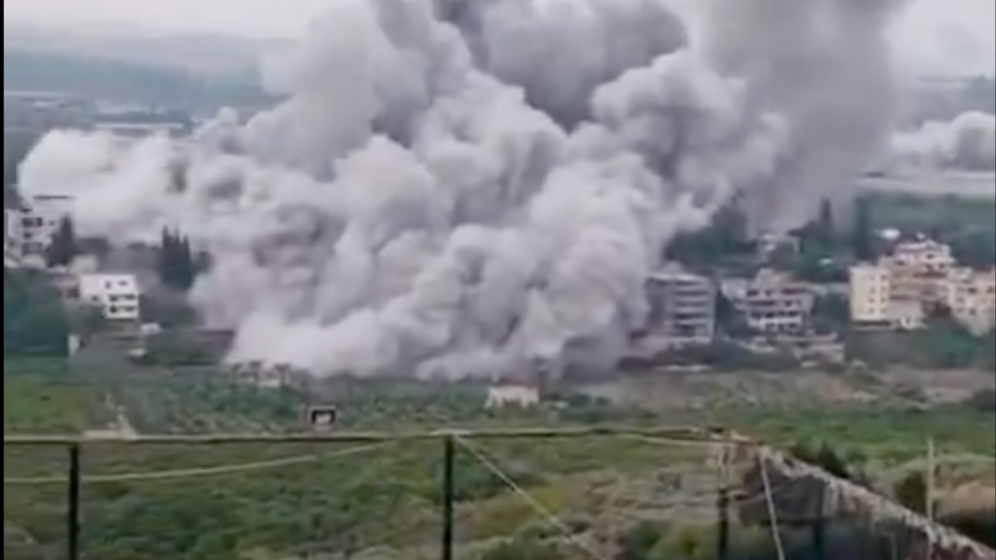
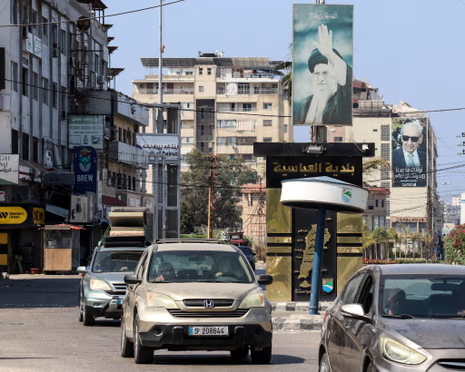
Thousands of residents evacuated the southern Lebanese city of Tyre on June 9, 2026, after receiving an Israeli warning. The mass departure occurred as tensions escalated in the region, prompting fears of further conflict. Many families departed the historic port city, heading northwards, seeking safety from potential military action. The Israeli warning did not specify the nature of the threat or the timeframe for any potential operations, contributing to the swift exodus from Tyre. This sudden directive led to widespread concern among the population, many of whom have lived through previous periods of instability and conflict in southern Lebanon. The decision to leave was made by thousands of individuals and families, noting the immediate impact of the warning.
Scenes of Departure
Cars packed with mattresses, luggage, and household belongings stretched for miles along Lebanon's coastal highway. The continuous flow of vehicles, heavily laden with possessions, noted the urgency of the evacuation from Tyre. Families appeared to be taking as much as they could carry as they left the city, reflecting widespread concern among residents. The sight of the congested highway showed the scale of the exodus as thousands departed in response to the Israeli warning. Many vehicles bore signs of hasty packing, with items secured to roofs and trunks, indicating a rapid departure from their homes in the southern Lebanese city. The sheer volume of traffic created significant delays, but residents prioritized getting themselves and their essential belongings out of harm's way. The atmosphere was one of hurried efficiency, as people worked together to secure their possessions and ensure safe passage for their families.
Warning and Escalation
The Israeli warning, delivered through various channels, prompted thousands to leave Tyre. Residents reported receiving automated phone calls and text messages, urging them to evacuate immediately for their safety. The messages, consistent in their directive, did not provide specific details regarding the nature of the impending threat or the duration of any potential military operation. This ambiguity fueled a sense of urgency among the populace, leading to a rapid and widespread departure from the southern Lebanese city. The lack of specific information meant residents had to make decisions based on past experiences and the general heightened state of alert in the border region. This uncertainty amplified the fear of an imminent threat, compelling many to act swiftly.
Lebanese authorities did not issue a formal evacuation order but acknowledged the Israeli warnings. They advised citizens to prioritize their safety and make individual decisions regarding their presence in the area. The United Nations Interim Force in Lebanon (UNIFIL) also noted the increased tensions along the border but refrained from commenting directly on the Israeli warning or the subsequent exodus. The situation remained fluid, with the mass movement of people continuing throughout the day and into the night. Many residents expressed fear of an imminent escalation, citing previous conflicts in the region. The Lebanese government emphasized the importance of civilian safety while monitoring the developing situation closely.
Regional Tensions Rise
The mass departure from Tyre unfolded amidst heightened regional tensions, particularly along the border between Lebanon and Israel. The Israeli warning issued to Tyre residents followed a period of escalating rhetoric and cross-border incidents involving various factions. While no specific details about the nature of the threat were provided by Israel, the rapid evacuation showed widespread concerns among the Lebanese populace regarding a potential expansion of hostilities. The situation added to the volatile security environment in southern Lebanon, a region historically prone to conflict. Lebanese officials have consistently called for de-escalation, urging all parties to exercise restraint to prevent a broader confrontation. The swift response to the Israeli warning indicated deep-seated anxieties among residents, many of whom have previously experienced periods of intense conflict in the area. The ongoing exchanges have kept communities on edge, making any official warning a serious catalyst for action.