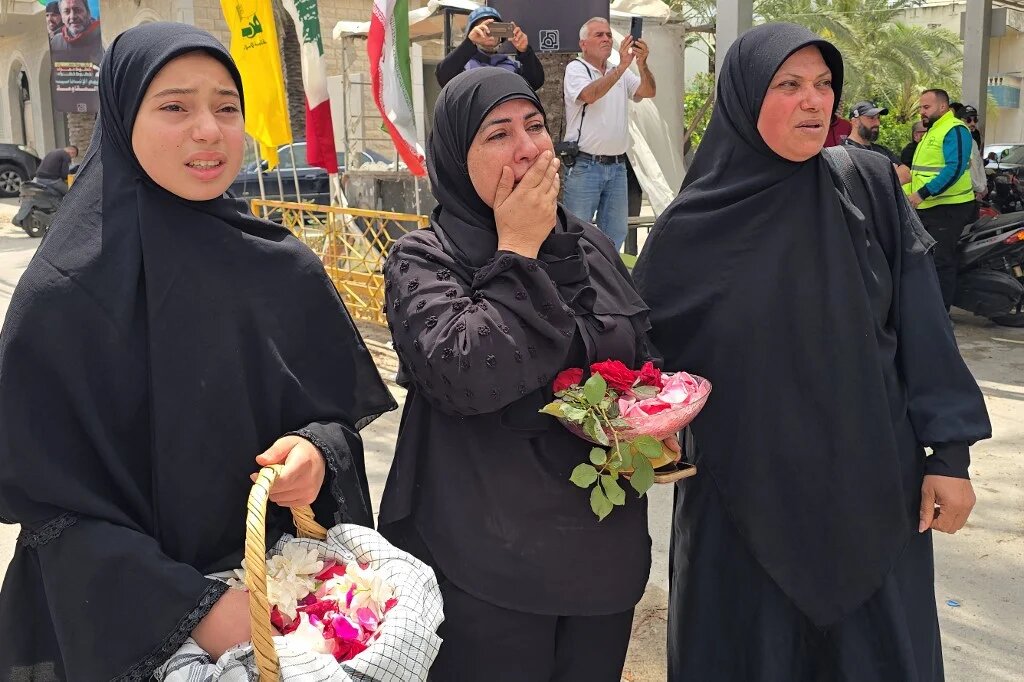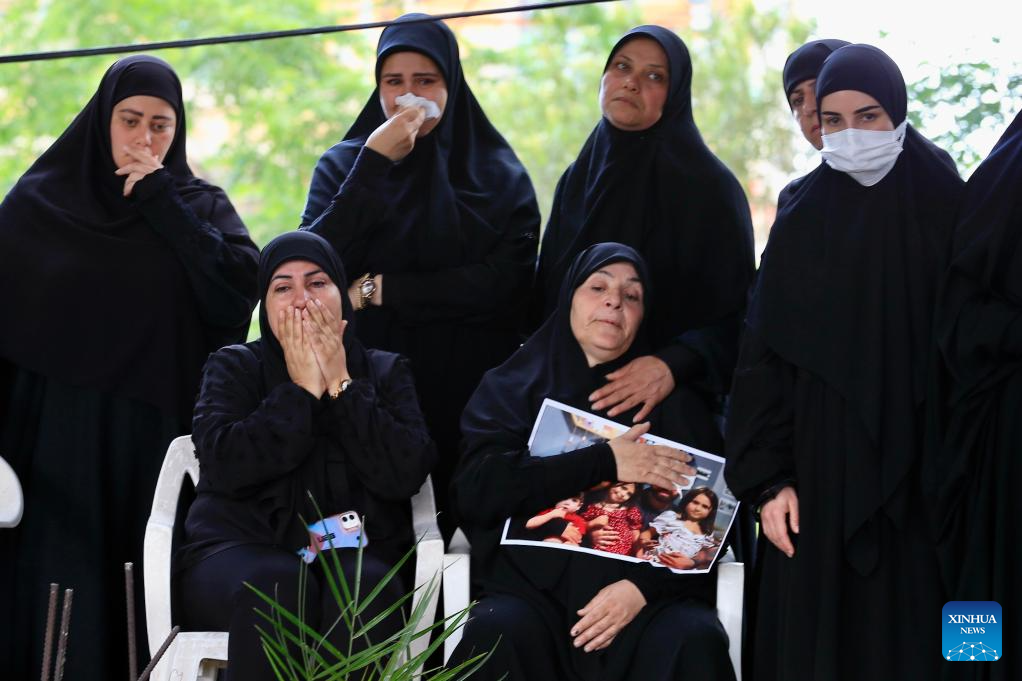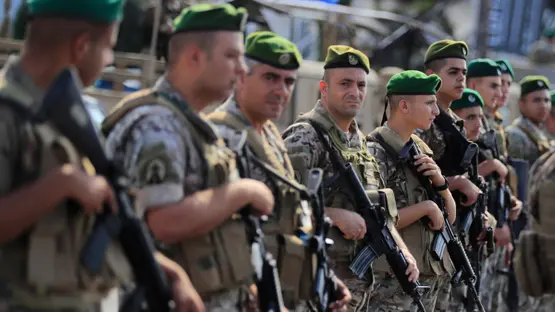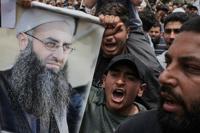
Sunni Muslims protested a clause in a proposed amnesty law in Beirut on Friday, May 22, 2026. Demonstrators gathered to express their opposition to specific provisions within the draft legislation, particularly those concerning accountability for past conflicts. The protest noted community concerns regarding the potential implications of the amnesty law, especially its perceived selective application and potential to undermine justice.
Protest Details and Demands
The demonstration unfolded after Friday prayers, drawing participants who converged to voice their objections to the proposed amnesty law. The protestors expressed particular concern over a clause that would grant immunity to individuals implicated in the 2013 Abra events, which involved clashes between the Lebanese army and supporters of Sheikh Ahmad al-Assir. This specific provision has become a focal point of contention, with critics arguing that it risks undermining justice for victims and could set a dangerous precedent by absolving those responsible for past violence. The gathering showed the deep divisions and sensitivities surrounding reconciliation efforts in Lebanon, with many demanding accountability for historical events rather than blanket amnesties. Organizers called for a revision of the draft law to exclude any clauses that would prevent legal proceedings against individuals involved in attacks on state institutions or security forces. They emphasized that true reconciliation must be built on a foundation of justice and fairness for all affected parties. The protestors marched through key areas of Beirut, holding banners and chanting slogans that reflected their demands for an equitable and just amnesty law.
Amnesty Law Controversy
The proposed amnesty law contains a clause that would specifically exclude certain prisoners from eligibility, including the cleric Ahmad al-Assir. This provision has drawn criticism from groups who argue against its selective application, contending that it creates an uneven playing field for justice. Al-Assir was arrested in 2015 following two years in hiding, after his supporters clashed with the Lebanese army in the southern city of Sidon in 2013. The violent confrontations resulted in casualties and significant disruption, leading to his eventual capture and trial. The proposed exclusion of specific individuals like Al-Assir from the amnesty has fueled the controversy, with protestors contending that it creates an uneven application of justice and undermines the principle of equality before the law. They argue that if an amnesty is to be granted, it should apply broadly or be based on clear, non-discriminatory criteria. The inclusion of such an exclusionary clause has intensified public debate and fueled accusations of political maneuvering within the legislative process.
Context and Location
The protest occurred in Beirut, Lebanon, where Sunni Muslim community members gathered to voice their opposition to a controversial clause within a proposed amnesty law. The demonstration reflects ongoing tensions and divisions within the country regarding accountability for past conflicts and the path towards national reconciliation. The specific provision under contention aims to grant immunity to individuals implicated in the 2013 Abra events, which involved clashes between the Lebanese army and supporters of Sheikh Ahmad al-Assir. Critics argue that this clause could obstruct justice and set a dangerous precedent by allowing those responsible for grave acts to evade legal consequences. The Beirut protest notes the deep sensitivities surrounding any attempts at reconciliation that do not adequately address demands for accountability for historical events and ensure a fair and impartial legal process for all citizens. The community's strong reaction indicates the profound impact that such legislative proposals have on public trust and the pursuit of justice in Lebanon.