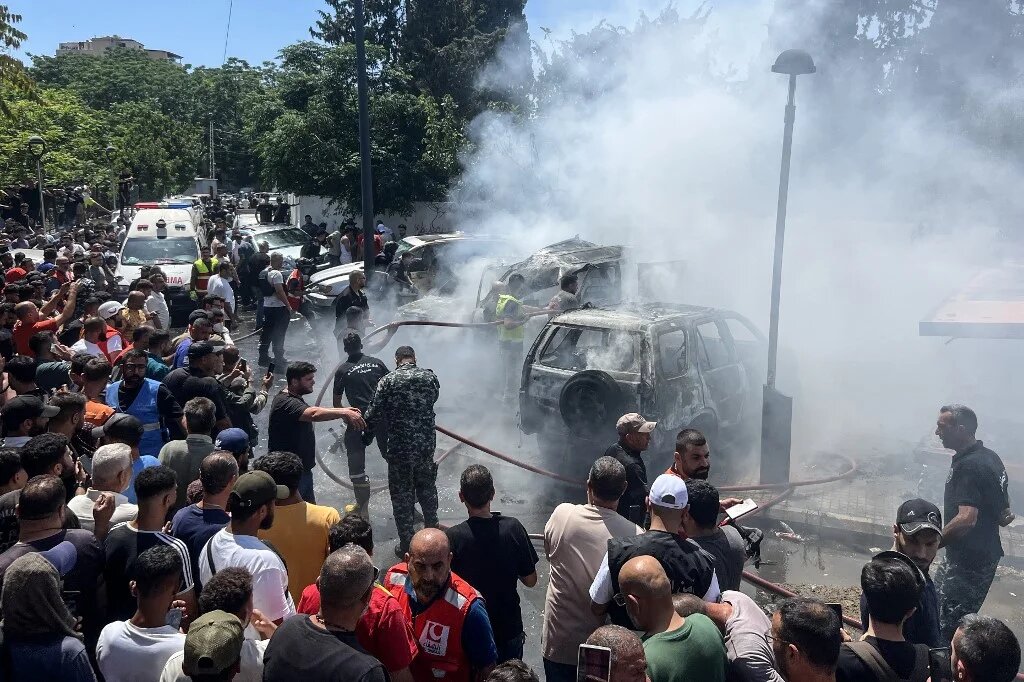
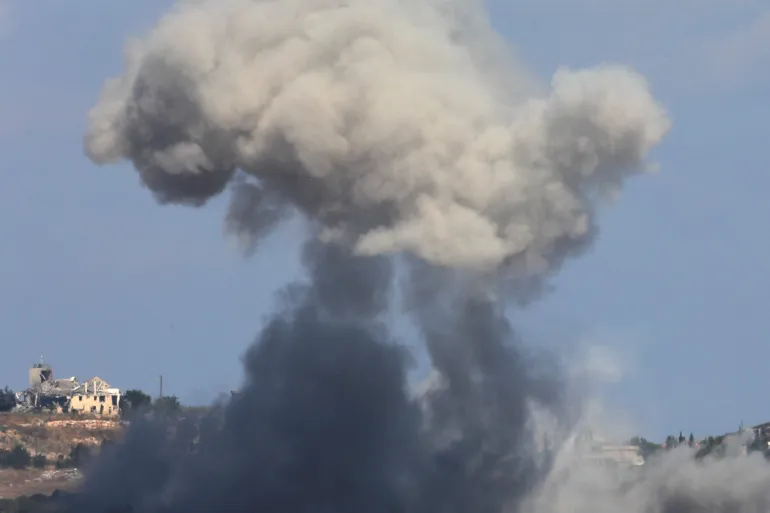
A project has been launched to protect southern Lebanon's cultural memory from Israel's war, which has caused massive destruction in the region, with around 70 towns and villages razed. This widespread devastation has prompted an urgent response from heritage preservationists. The initiative aims to identify, document, and safeguard threatened cultural heritage in South Lebanon. Its work focuses on a wide range of materials, including public and private libraries, family and institutional archives, manuscripts, historical documents, photographs, newspapers, stamps, and audio-visual recordings. This full effort seeks to preserve integral parts of the region's history and identity amidst ongoing conflict, recognizing the irreplaceable value of these cultural assets. The project emphasizes the critical need to act swiftly to prevent further irreparable loss.
The Growing Threat
Residents of southern Lebanon are being forced to evacuate their homes following Israeli orders, which often precede military strikes in the region. This displacement has led to significant losses of cultural heritage. Documents, archives, and various cultural materials have been damaged, destroyed, or scattered due to the conflict. The ongoing hostilities pose an existential threat to the region's historical records and cultural artifacts, many of which are unique and have never been digitized. The forced evacuations mean that many residents are unable to secure their valuable possessions, leaving them vulnerable to the ravages of war.
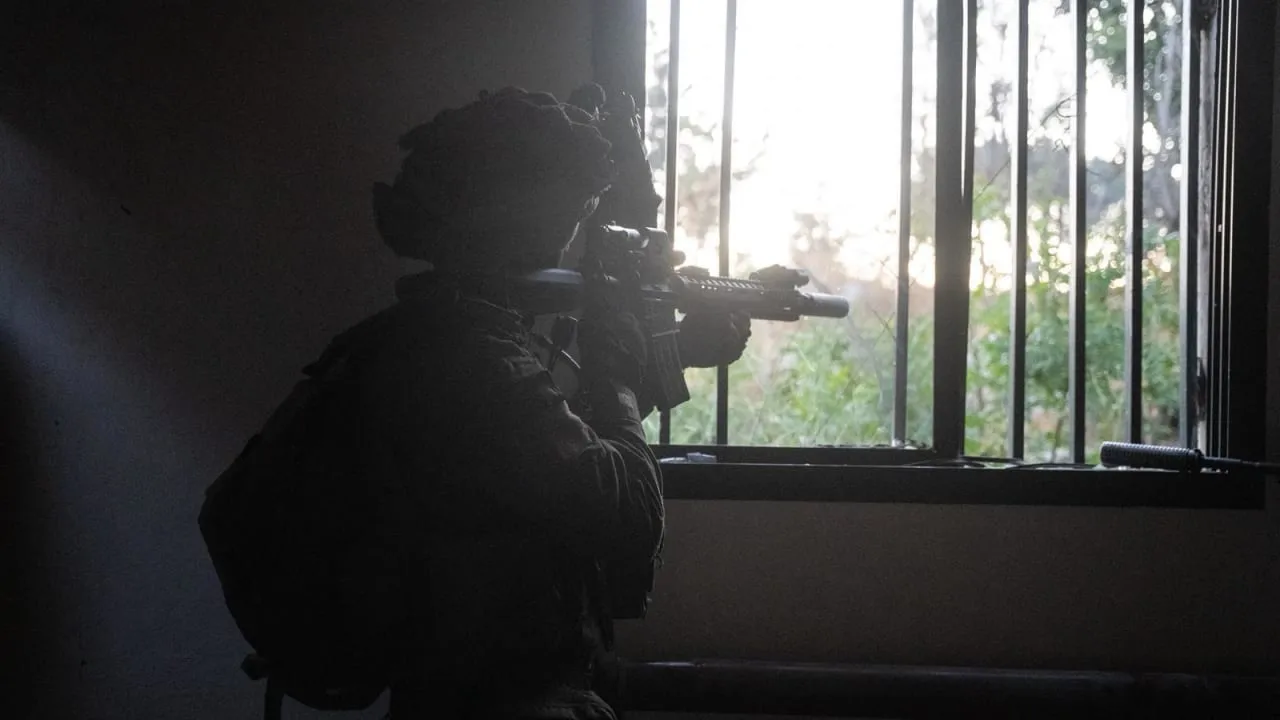
During previous invasions, Israeli troops were documented to have looted archives. Current observations indicate a shift, with forces now engaged in widespread destruction, rather than theft. This change in tactics has heightened concerns among those dedicated to preserving cultural memory. A specific incident occurred in Qantara on April 28, where a blast significantly reshaped the local area. This event has raised concerns among residents and heritage preservationists that key landmarks, historically used to define property boundaries, may have been irrevocably lost. The destruction of such physical markers not only erases history but also complicates future efforts to re-establish community structures and property rights.
The initiative to safeguard cultural heritage is preparing to expand its operational scope. Plans include focusing on the National Library in Beirut, where a public fundraiser is being organized. This expansion aims to address the escalating threats to Lebanon's cultural memory amidst ongoing conflict, recognizing that the scale of destruction necessitates a broader, more centralized effort. The team is awaiting approval from the Culture Ministry to use the library for meetings and to serve as a storage facility for salvaged materials. This institutional support is key for the long-term viability and effectiveness of the project.
A Network Mobilizes
The initiative is spearheaded by Hadi Bekdash, head of Dar al-Musawwir al-Arabi and Book Post publishing houses. This network aims to protect Lebanon’s cultural memory, particularly in areas affected by Israel’s military offensive since 2024, Bekdash stated. Planning for the initiative began in 2024, after evidence emerged that libraries and archives had suffered damage and faced further risk of destruction. The urgency of the situation became clear as reports of cultural losses mounted. The effort seeks to document, protect, and recover these materials as part of a long-term strategy to preserve Lebanon’s cultural memory. Bekdash explained, "We're librarians and archivists, so we couldn't tackle this work on our own. That's why we began working closely with municipalities and building joint efforts to preserve these documents." This collaborative approach is vital for reaching communities on the ground and ensuring the broadest possible coverage.
The scope of the effort expanded from Beirut’s southern suburbs, known as Dahyeh, to include more people from the south. The network now includes around 80 volunteers from across Lebanon, demonstrating a widespread commitment to this cause. Bekdash noted that these 80 individuals hold diverse political views, stating, "These 80 people do not agree on the same politics; there are 80 opinions. But on protecting our national heritage, we are one." This unity in the face of political differences shows the profound importance of cultural preservation for the Lebanese people. Many of the records targeted by the initiative had never been digitized or moved for safekeeping, making them particularly vulnerable to destruction or loss. This lack of prior safeguarding notes the critical nature of the current intervention. Volunteers are working covertly due to fears that cultural materials could be destroyed before they are recovered. Bekdash questioned, "What guarantees do we have that Israel won’t destroy them before we arrive?" He further elaborated on historical patterns, saying, "During previous Israeli invasions, Israeli forces used to steal books, personal documents, private archives, artwork, etc. But they’re not stealing anymore, they’re just destroying everything, wiping it out. This is why a lot of our work is happening covertly." This shift in destructive behavior necessitates a cautious and strategic approach to their operations, prioritizing the safety of both the volunteers and the materials.
The initiative documents damage to private libraries, public and private archives, and manuscripts held in Husayniyyas, which are Shia congregation halls. These varied locations reflect the rich tapestry of Lebanon's cultural heritage. Bekdash showed the difficult choices individuals face during displacement, observing, "Some things are irreplaceable. Before leaving their homes after an evacuation order, many people have two choices: either take a bag full of their memories or carry a bag with only some essential items they’ll need when they’re displaced." This poignant observation captures the human cost of the conflict and the profound emotional attachment to cultural artifacts. He emphasized the urgency of their work, asking, "But is what we’re doing also not important? Is this not urgent? What do we tell southerner who has lost his own archives?" His words highlight the moral imperative driving their efforts.
So far, in cooperation with the Lebanese Library Association, the initiative has documented a number of at-risk collections and helped protect or relocate some, Bekdash reported. He clarified that what has already been lost includes documents, archives, and cultural materials damaged, destroyed, or scattered due to attacks and forced displacement, adding that the assessment of these losses is ongoing. Bekdash stated, "When they say ‘most’, that means not everything." He stressed that "the danger extends far beyond the loss of buildings or physical objects. It threatens part of the Lebanese people's collective memory… material that will be impossible to replace if it is lost." This emphasizes that the loss of cultural heritage is a loss of identity and historical continuity for the entire nation. Bekdash also conveyed a message of resilience through the initiative: "We’re giving hope to people that they are going to return to their homes in the south. One man said to me ‘before you try to retrieve these books and documents, let us return first to our villages.’ But I told him this sends a message of steadfastness to the Israeli enemy. We are telling the Israelis: What you have destroyed has already been revived." This defiant spirit shows the deep connection between cultural preservation and national identity. He also mentioned efforts to secure a space for their operations, noting, "We requested to use the library – we don’t have money to rent somewhere else – so why not from there? We requested two things: use the library to meet, but also storing books, documents, archives and other important materials from the south at the library in Beirut." Future plans include a public fundraiser where "the entrance fees to this forum will be to donate a book, which will then be moved to libraries in the south. If we consider that each university campus has around a thousand students, that’s a thousand books, which will help us a lot." This innovative fundraising approach aims to replenish the literary resources of affected communities.
Broader Impacts and Future Hopes
Volunteers with the initiative are working closely with municipalities to preserve government records and legal documents, including files held by Jaafari courts. This key work ensures the continuity of civic life and protects the legal rights of citizens. The team is awaiting approval from the Culture Ministry to use a library in Beirut for meetings and to serve as a storage facility for salvaged materials. This official sanction is essential for the long-term sustainability of the project. A fundraiser is scheduled for July 4, where the entrance fee will be a donated book, intended to replenish libraries in the south. This event will not only raise resources but also awareness about the ongoing cultural crisis.
Beyond documenting traditional heritage materials, volunteers are also recording damage to centuries-old olive groves. There have been reports of Israeli forces uprooting these trees and moving them to Israel. This destruction of agricultural heritage represents another significant loss for the region. Concerns have also been raised regarding potential losses to honeybee populations, which could lead to significant long-term ecological and agricultural consequences for the region. The interconnectedness of these losses notes the multifaceted impact of the conflict on Lebanon's natural and cultural landscape.
The destruction of records, particularly government and legal documents, raises the risk of future legal disputes over land and property once residents are able to return to their homes. Without proper documentation, resolving such disputes could become an insurmountable challenge, further hindering post-conflict recovery. The broader work of the initiative aims to give people hope during displacement and demonstrate that their cultural memory and communities are not abandoned. By actively preserving their heritage, the project offers a tangible sign of resilience and a promise of future restoration. The 80 volunteers involved in the initiative, despite holding diverse political views, are united in their commitment to protecting Lebanon’s national heritage. This unity shows the universal value of cultural preservation and its power to transcend political divides, offering a beacon of hope for a future where Lebanon's rich history and identity can be fully restored.