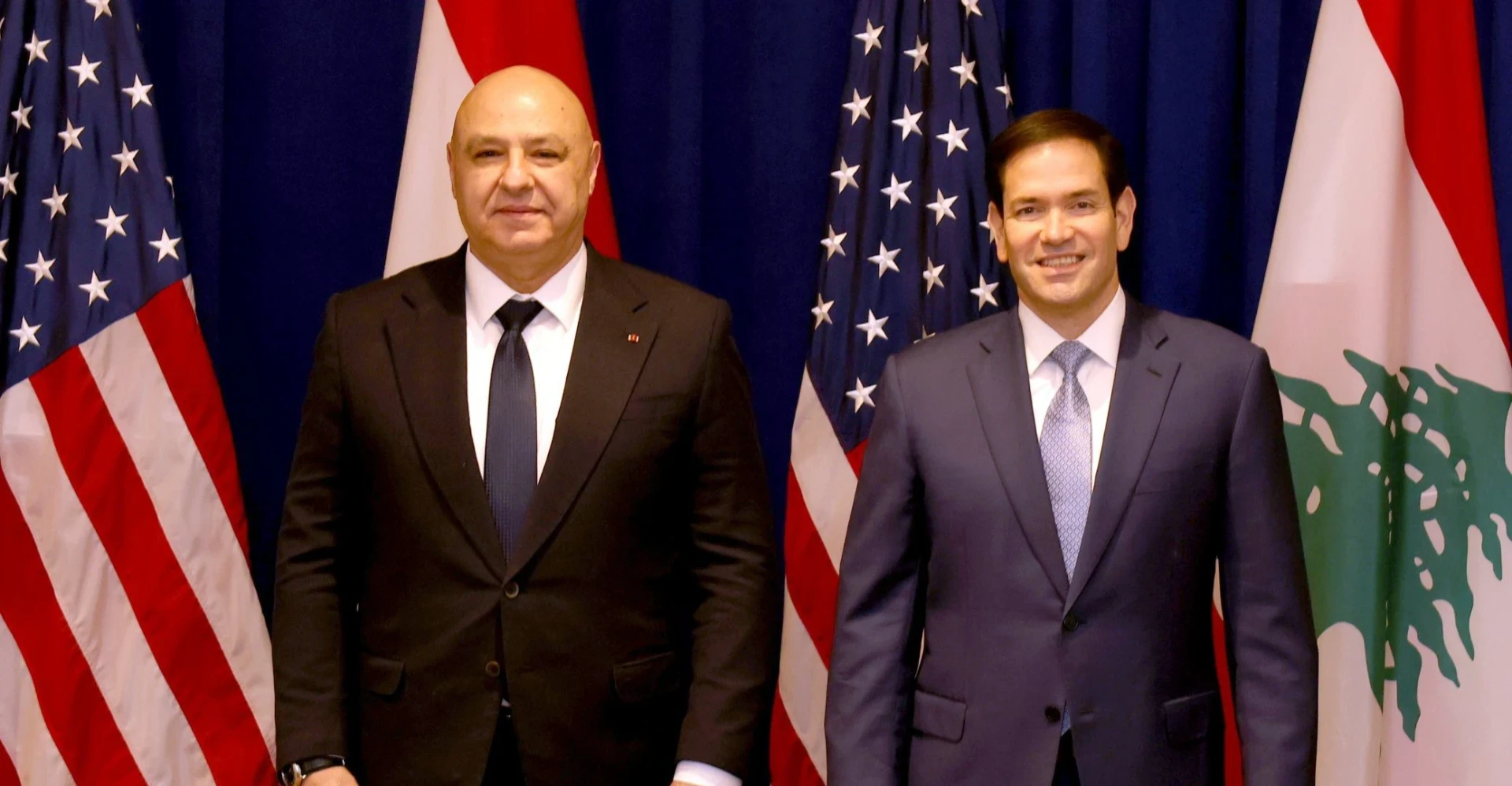
US Secretary of State Marco Rubio and President Joseph Aoun engaged in key discussions regarding the security situation in Lebanon and the wider region. Their exchange occurred amidst a period of renewed tensions, shortly after a ceasefire between Israel and Hezbollah had officially come into effect. The truce, which aimed to halt ongoing hostilities between the two parties, had taken effect at 4 p.m. Local time (GMT+3) on Friday. This diplomatic engagement shows the international community's concern over the volatile conditions prevailing in the area.
Ceasefire Takes Hold Amidst Continued Violence
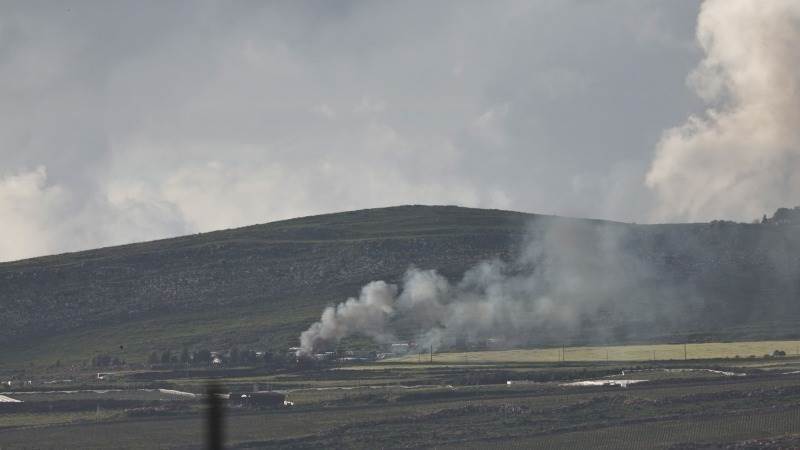
Despite the implementation of the ceasefire, a drone strike tragically killed two people in Nabatiyeh district, southern Lebanon, on Friday. This incident occurred just hours after the agreement between Israel and Hezbollah was supposed to bring an end to hostilities. The ceasefire itself had been brokered earlier on Friday through intensive mediation efforts led by US and Qatari diplomats, with additional assistance from Iran. The agreement was specifically intended to halt the escalating cycle of violence between the parties, making the subsequent drone strike a significant breach of the newly established calm.
US Reaffirms Support for Lebanon
During a phone call, US Secretary of State Marco Rubio reaffirmed strong American support for Beirut, directly communicating this commitment to President Joseph Aoun. Rubio emphasized the ongoing efforts to strengthen security and stability within Lebanon and stressed the importance of extending the state's authority across its entire territory. This high-level communication followed the recent developments and noted the United States' role in seeking to de-escalate regional tensions and bolster Lebanese sovereignty. The US commitment is seen as vital for the long-term stability of the nation, particularly in the face of external and internal challenges.
Accusations and Warnings Show Fragility
Meanwhile, the fragile nature of the truce was immediately evident as Israel accused Hezbollah of violating the recently established ceasefire agreement. The Israeli government issued a statement asserting that it retained full operational freedom to address any perceived threats, indicating a readiness to respond to any further provocations. This declaration from Israel showed the precariousness of the truce amidst the ongoing security concerns and the deep-seated mistrust between the adversaries.
In response, Hezbollah issued a stern warning, stating that any Israeli action taken outside the agreed framework would be met with a decisive response. This warning directly followed the Israeli government's assertion of operational freedom, further illustrating the delicate balance of power and the potential for rapid escalation. Both sides' public statements reflected the deep-seated tensions and the challenges in maintaining a lasting peace, even after diplomatic breakthroughs.
Regional Tensions Persist
The humanitarian cost of the conflict remained stark, with at least 47 people killed and 97 wounded in Israeli strikes across southern Lebanon and the Bekaa Valley on Friday. These devastating strikes occurred despite the recent ceasefire agreement, noting the immediate challenges to its enforcement and the continued suffering of civilians. The persistent violence, even after a truce, shows the complex and deeply entrenched nature of the conflict in the region.
Broader Context and Outlook
The recent developments vividly illustrate the complex security landscape in Lebanon and the broader region. Despite concerted diplomatic efforts leading to a ceasefire between Israel and Hezbollah, violence has regrettably persisted, raising serious concerns about the truce's durability and effectiveness. The United States, through Secretary of State Marco Rubio, has consistently reiterated its commitment to Lebanon's stability, emphasizing the critical need for the state's authority to be fully exercised throughout its territory. However, the ongoing strikes and counter-warnings from both sides show the extreme fragility of the current situation and the constant threat of renewed conflict. The international community continues to monitor the volatile conditions with apprehension, as regional tensions remain alarmingly high, demanding sustained diplomatic engagement and adherence to agreed-upon frameworks to prevent further escalation.