Residents began re-entering the southern Lebanese town of Zawtar al-Gharbiyeh on Friday, July 24, 2026, marking a tentative return for displaced populations. This significant event signals a cautious step towards normalcy for those uprooted by the recent conflict. The return is part of a U.S.-brokered peace plan aimed at de-escalating tensions in the region and fostering long-term stability. Under the terms of the agreement, Israeli troops are expected to withdraw from the area in phases, allowing for the subsequent deployment of Lebanese soldiers. This phased withdrawal and the methodical deployment of Lebanese forces are central to establishing and maintaining security in Zawtar al-Gharbiyeh. The return remains tentative, however, pending the full and verifiable implementation of all the peace plan's provisions, showing the fragile nature of the current situation. The process of returning residents is a critical component of the broader effort to restore civil life and infrastructure following the extensive damage inflicted during hostilities.
Scenes of Destruction
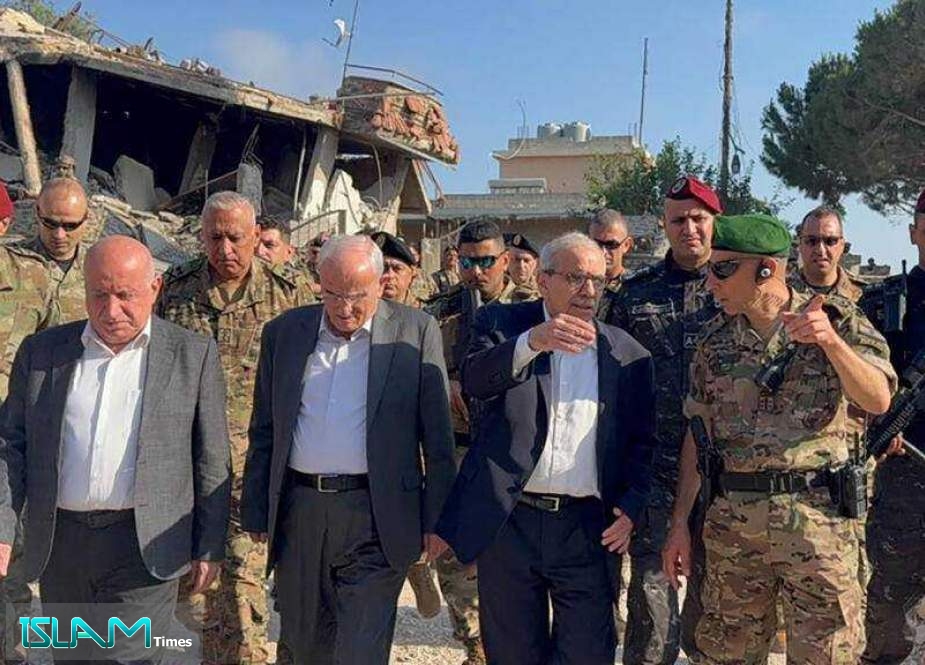
The Lebanese army started its deployment in Zawtar al-Gharbiyeh on Tuesday, marking a significant and tangible step in the regional peace plan. Army units have begun the key task of securing areas as residents slowly return to assess the devastating impact of the conflict. The scene greeting returning residents is one of widespread devastation. More than half of the town of Zawtar al-Gharbiyeh has been destroyed, according to initial assessments conducted after the cessation of hostilities. This extensive destruction paints a grim picture for those attempting to reclaim their homes and lives. Many of the homes that remain standing in the town are badly damaged, with structural integrity severely compromised and interiors often gutted by fire or explosions. Residents returning to the area are confronting the extensive and profound devastation left by the recent conflict, a stark reminder of the violence that gripped the region. The scale of the damage necessitates a massive and sustained reconstruction effort, which will be a long-term challenge for the community.
Despite the ongoing peace efforts and the Lebanese army's deployment, Israeli troops continued to carry out controlled explosions in towns they occupy near Zawtar al-Gharbiyeh this week. These powerful explosions were distinctly heard by residents returning to the area, adding to an atmosphere already fraught with uncertainty and apprehension. The continued presence of these activities so close to returning populations notes the delicate balance of the peace process. The presence of the Lebanese army aims to provide essential security and facilitate the painstaking assessment of damage, which is a precursor to the beginning of reconstruction efforts for the returning population. The extent of destruction, affecting more than half of the town's structures, shows the immense challenges facing residents as they attempt to rebuild their lives and homes from the ground up. The immediate priorities include clearing debris, securing damaged structures, and providing basic necessities for those who have lost everything.
Peace Plan Details
Israeli troops have withdrawn from the area as part of the U.S.-brokered peace plan, a key component of the agreement designed to reduce military presence in civilian zones. This withdrawal is a foundational element for the Lebanese army to establish control and ensure stability. The agreement stipulates that the Lebanese army will confiscate weapons from the Iran-aligned Hezbollah group within designated areas. This provision is central to disarming non-state actors and consolidating the authority of the Lebanese state. Zawtar al-Gharbiyeh is one of three towns or villages included in the initial pilot program for the U.S.-brokered plan, indicating its strategic importance and the experimental nature of this peace initiative. Despite these promising peace efforts, Israeli troops continue to occupy a swathe of territory extending approximately 10 kilometers into southern Lebanon. This ongoing occupation remains a point of contention and a reminder of the unresolved aspects of the broader regional conflict. The successful implementation of the pilot program in Zawtar al-Gharbiyeh and the other two towns will be key in determining the feasibility of expanding the peace plan to other contested areas. The phased withdrawal of Israeli troops and the deployment of Lebanese forces are intricately linked, with each step contingent on the successful execution of the other. The overarching goal is to create a demilitarized zone that allows for the safe return and rehabilitation of civilian populations.
Residents' Hopes and Fears
More than half of the town of Zawtar al-Gharbiyeh has been destroyed, according to assessments following the recent conflict, presenting a daunting task for its returning inhabitants. The latest war between Hezbollah and Israel erupted on March 2, contributing significantly to the extensive damage observed by returning residents. This conflict, which lasted for several months, left a deep scar on the landscape and the lives of those in the region. Before the civilian returns commenced, ambulances entered the town on Thursday to remove the bodies of Hezbollah fighters killed in fighting within the town's limits. This somber task was a necessary prelude to allowing civilians back, noting the recent intensity of the clashes in this very area. The presence of these casualties shows the human cost of the conflict and the immediate dangers that existed prior to the peace agreement.
Lebanese army units have been actively sweeping Zawtar al-Gharbiyeh for mines and unexploded ordnance to ensure the safety of the returning population. This critical operation is critical, as hidden explosives pose an immediate and severe threat to life and limb, hindering any attempts at reconstruction or normal daily activities. The ongoing clearance operations are critical for rebuilding efforts and the establishment of normal life in the devastated areas, creating a secure environment for residents to begin the arduous process of recovery. Despite the initial returns to Zawtar al-Gharbiyeh, tens of thousands of Lebanese displaced from their hometowns elsewhere in the region remain unable to return home, noting the broader humanitarian challenges that persist across southern Lebanon. The successful return and resettlement of residents in Zawtar al-Gharbiyeh could serve as a vital precedent for other affected communities, offering a glimmer of hope amidst widespread displacement and destruction. The commitment of resources and international support will be essential to address the multifaceted needs of these communities, ranging from housing and infrastructure to psychological support for those traumatized by war.