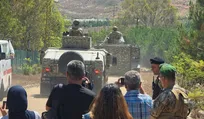
Thousands of displaced residents gathered on Tuesday outside the entrances of villages in southern Lebanon, which had been abandoned in recent months. These areas have been designated as pilot zones where the Lebanese army has deployed, coinciding with the anticipated withdrawal of the Israeli army. The residents were awaiting access to their homes after a period of displacement. Their return marks a critical moment for these communities, many of which have been deserted for an extended period due to heightened tensions and conflict. The deployment of the Lebanese army into these specific areas shows a concerted effort to restore some semblance of order and safety for the returning population.
Residents Gather at Border
Thousands of displaced residents gathered on Tuesday outside the entrances of villages in South Lebanon, areas which had been abandoned in recent months. These locations have been designated as pilot zones where the Lebanese army has deployed, coinciding with the anticipated withdrawal of the Israeli army. The residents were awaiting access to their homes after a period of displacement. Many had left their properties due to ongoing hostilities, seeking refuge further north. Their return marks a significant step in the process of assessing damage and potentially rebuilding their lives in these border communities. The Lebanese army's presence is intended to facilitate a safe and orderly return for families eager to survey the condition of their properties and begin the process of recovery. This gathering represents a collective hope among the displaced to reclaim their lives and ancestral lands, despite the uncertainties that lie ahead. The sheer number of people waiting to re-enter their villages notes the widespread impact of the recent conflict on civilian populations in the region.
Pilot Withdrawal Explained
The deployment of the Lebanese army into villages in South Lebanon represents a preliminary phase in a broader security initiative. This operation is designed to create secure corridors for residents to return to their homes following a period of displacement. The areas designated as pilot zones are specifically those from which the Israeli army is expected to withdraw. This coordinated military presence aims to establish stability and provide a safe environment for civilians. The Lebanese army's deployment is seen as a key step towards implementing a more extensive security plan for the region. Its objective is to allow for the orderly return of displaced populations and to assess the damage incurred during recent months. This initial phase is intended to pave the way for future steps in the region's recovery and the restoration of normalcy. The strategic importance of these pilot zones cannot be overstated, as they serve as a test case for larger-scale returns and security arrangements in South Lebanon. The successful execution of this phase is vital for building trust and ensuring the long-term stability of the border areas.
Devastation on Arrival
Residents returning to South Lebanon's pilot areas, recently designated for Israeli Defense Forces (IDF) withdrawal, have discovered their villages destroyed. Many displaced families who had sought refuge elsewhere during recent months are now encountering significant damage to their homes and communities upon their return. The initial assessments by these residents reveal widespread devastation in the areas where the Lebanese army has deployed to facilitate their return. This situation presents a considerable challenge for the thousands who gathered to re-enter their properties, as they now face the task of rebuilding amidst extensive destruction. The article discusses residents returning to IDF withdrawal pilot areas in South Lebanon and finding villages destroyed. The condition of the villages shows the impact of hostilities on civilian infrastructure. This widespread destruction complicates the immediate prospects for resettlement and notes the urgent need for humanitarian aid and reconstruction efforts. The emotional toll on families witnessing their homes in ruins is profound, adding another layer of difficulty to their journey of recovery.