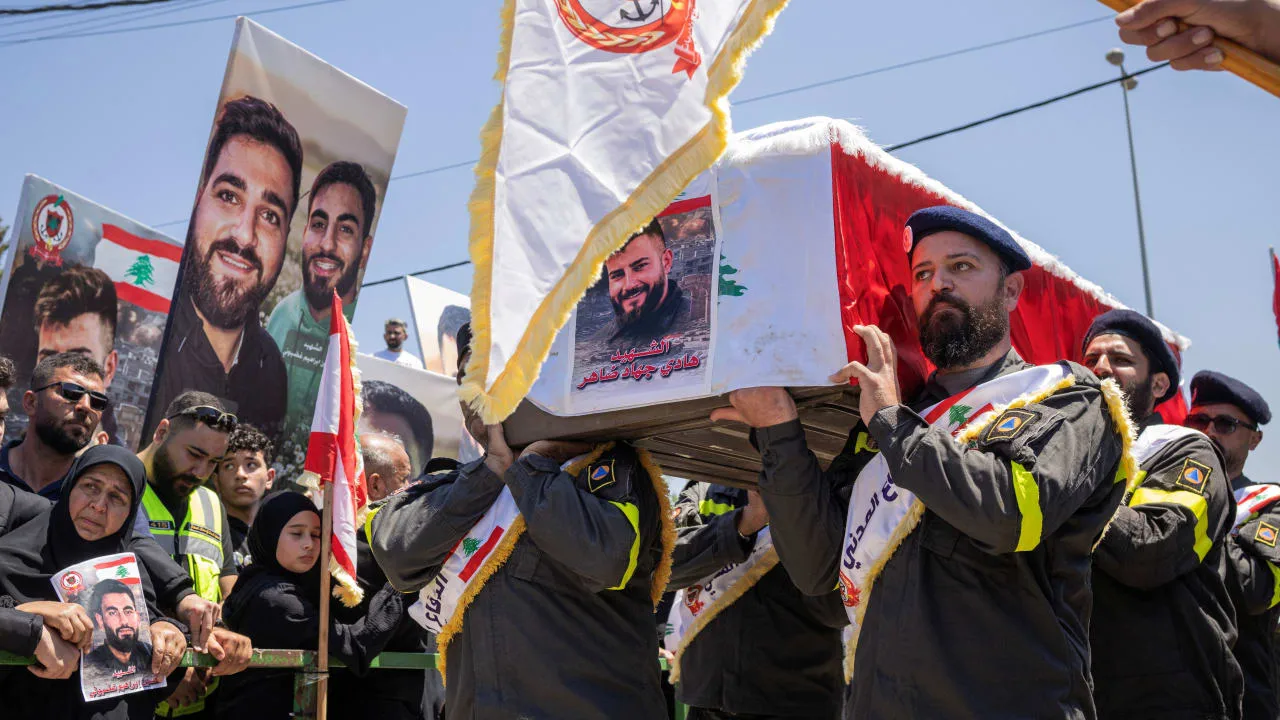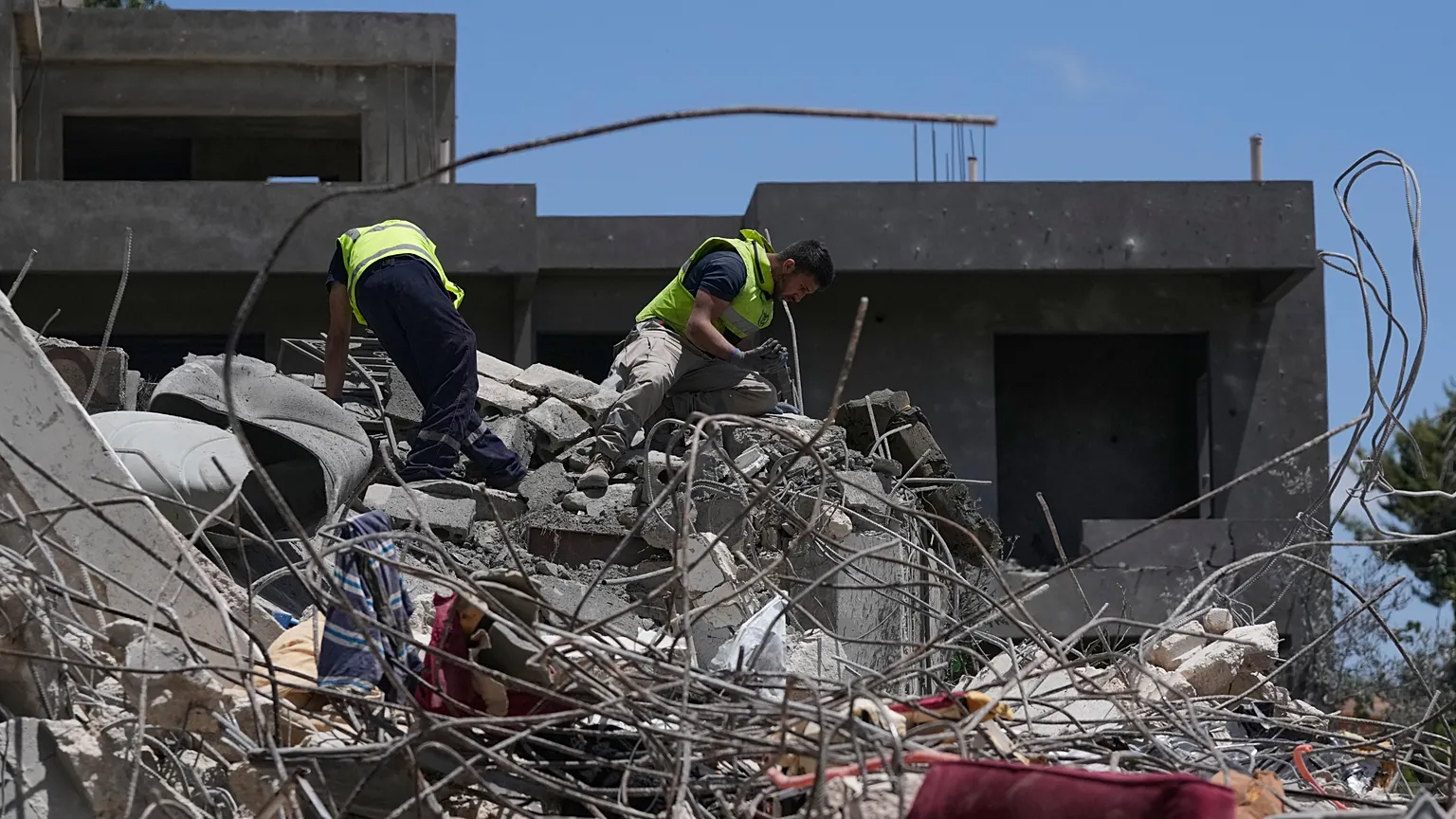
Rescue workers conducted extensive searches through collapsed buildings on Wednesday in the southern Lebanese villages of Deir Qanoun al Nahr and Al-Maashouq, located in Tyre province, following deadly Israeli airstrikes. The operations occurred amid a ceasefire in the region, raising questions about the stability of the truce. Among those confirmed dead in the aftermath of the strikes were four women and three children, noting the devastating impact on civilian populations. The search efforts focused intensely on locating potential survivors or additional casualties in the rubble of the damaged structures, a grim task that continued throughout the day. Emergency services, supported by local volunteers, meticulously sifted through debris, hoping to find signs of life in the wake of the destruction.
Destruction and Casualties
Israeli airstrikes resulted in the deaths of at least 19 people, according to Lebanon’s Health Ministry, a significant toll for the affected communities. Beyond the fatalities, several others sustained injuries in the attacks, requiring immediate medical attention. The scale of the damage was particularly evident in the village of Deir Qanoun al Nahr, where one strike completely destroyed a residential house, leaving behind a scene of utter devastation. The force of the attack also caused significant damage to vehicles parked nearby the destroyed residence, showing the intensity of the bombardment. Meanwhile, in Al-Maashouq, visual evidence depicted extensive destruction inside a mosque, a site typically considered a sanctuary. Surrounding homes in Al-Maashouq also showed significant damage from the strikes, indicating widespread impact on the civilian infrastructure and residential areas. Rescue teams continue their efforts to locate further casualties, working tirelessly under challenging conditions. The immediate aftermath saw emergency crews establishing temporary aid stations to assist the injured and displaced.
Escalation Amidst Truce
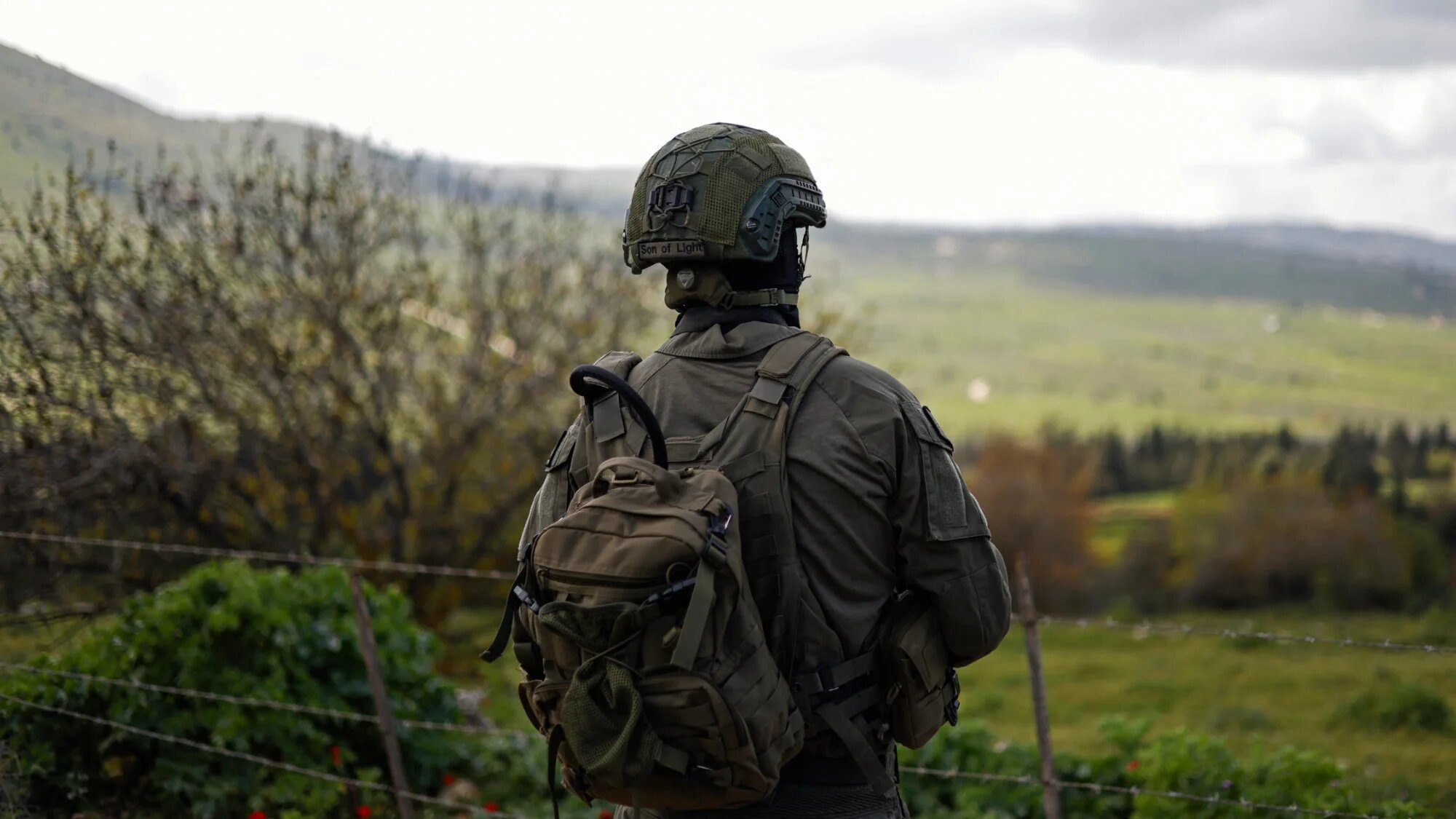
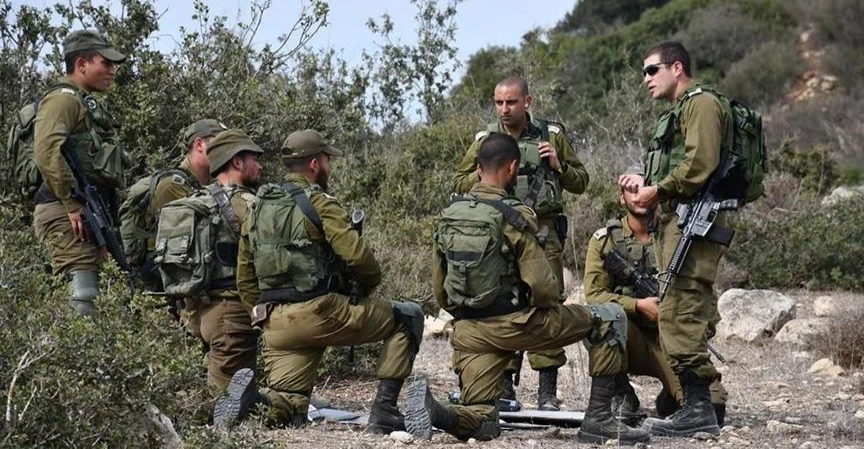
The attacks occurred just two days after a US-brokered ceasefire between Israel and Hezbollah had been extended by 45 days, following a period of renewed fighting along the border. This latest round of violence threatens to unravel the fragile truce and escalate tensions further. Israel’s military stated it had targeted more than 25 Hezbollah infrastructure sites in southern Lebanon between Monday and Tuesday, indicating a deliberate and extensive campaign. Israeli forces indicated their objective was to stop drone attacks on their troops and border towns, framing their actions as defensive measures. The Israeli military also reported the death of one soldier in southern Lebanon on Tuesday, adding to the casualties of the ongoing conflict. The extension of the ceasefire had initially offered a glimmer of hope for de-escalation, but these recent strikes have cast a long shadow over prospects for lasting peace.
Broader Conflict Context
Hezbollah has continued to reject calls from Lebanese authorities to disarm, maintaining its independent military operational capacity and asserting its role in defending Lebanon. This stance complicates efforts by the Lebanese government to assert full control over its territory and its borders. The ongoing conflict has led to significant displacement within Lebanon, with more than one million people having been forced from their homes since the escalation of hostilities. These displacements have placed considerable strain on resources and humanitarian efforts across the country, creating an urgent need for shelter, food, and medical aid. International organizations are struggling to meet the growing demands of the displaced population, with many living in temporary accommodations or with host families. The humanitarian crisis is deepening as the conflict persists, affecting countless lives and exacerbating existing vulnerabilities in Lebanon. The international community continues to monitor the situation, urging all parties to respect the ceasefire and protect civilian lives.