The Presbyterian Church (U.S.A.) is actively supporting vital peacebuilding and aid initiatives in Lebanon through its established partnership with the Forum for Development, Culture and Dialogue (FDCD). This collaboration shows a commitment to fostering stability and providing essential humanitarian assistance in a nation grappling with multifaceted challenges. The Beirut-based organization, founded 22 years ago, received a significant grant from the Presbyterian Church (U.S.A.) to further its critical work in the Middle Eastern nation. This financial support is channeled towards strengthening FDCD's capacity to address the pressing needs of the Lebanese population, particularly in areas affected by ongoing crises. The grant request specifically focused on programs within Lebanon, ensuring that the aid is directly tailored to the country's unique circumstances and urgent requirements. The FDCD, which operates from the capital city of Beirut, serves as a key partner for international organizations seeking to provide humanitarian assistance and promote dialogue in the region, leveraging its deep local understanding and extensive network.
FDCD's Mission and Work
The Forum for Development, Culture and Dialogue (FDCD) is deeply dedicated to contributing to "positive peace" in the region, a concept that extends beyond the mere absence of conflict to encompass social justice, equality, and well-being. The organization specifically creates opportunities for individuals from diverse backgrounds to hear each other’s stories and discover common ground, fostering mutual understanding and respect. This approach is central to its mission, which emphasizes bringing people together to engage in constructive dialogue. Through these carefully facilitated interactions, FDCD aims to bridge divides and build bridges between communities that might otherwise remain separated by historical tensions or current events.
Grant funds obtained by the FDCD were also specifically requested for psychosocial support programs targeting affected children and parents. These programs are designed to address the profound emotional and psychological toll that conflict and economic hardship have had on vulnerable populations, offering much-needed counseling and therapeutic activities. These funds additionally support "social cohesion" activities, aiming to strengthen community bonds within Lebanon by promoting shared experiences and collaborative projects. Such initiatives are key for rebuilding trust and fostering a sense of collective identity among different groups. Through its various initiatives, the FDCD seeks to foster understanding and cooperation among different communities, laying the groundwork for a more stable and peaceful future for Lebanon. The organization's full approach recognizes that sustainable peace requires addressing immediate humanitarian needs while simultaneously investing in long-term social and psychological well-being.
Lebanon's Crisis and PDA's Support
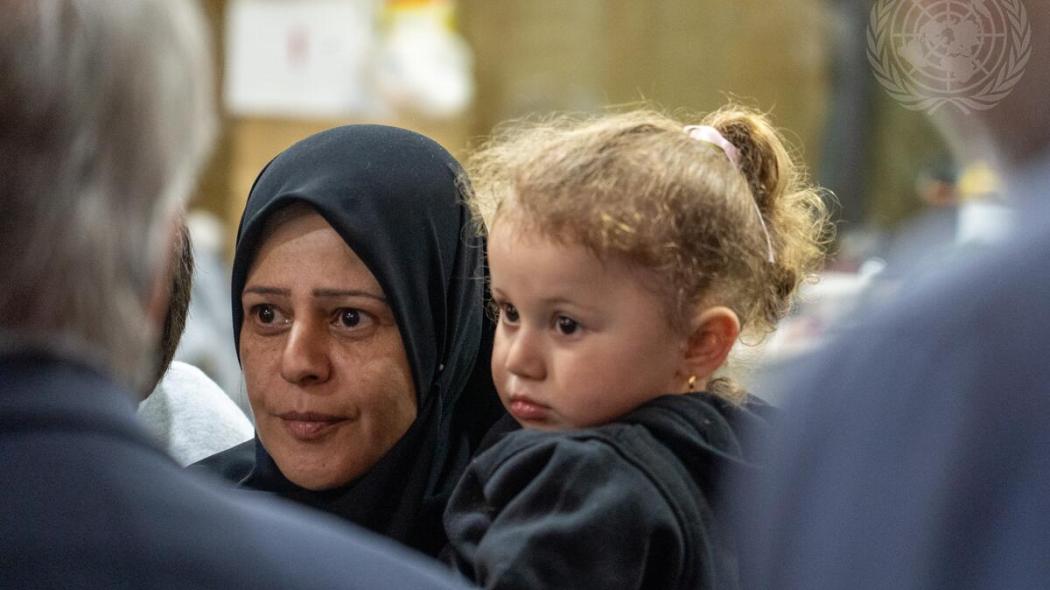
Presbyterian Disaster Assistance (PDA) and Global Ecumenical Partnerships have provided significant grant assistance to the Forum for Development, Culture and Dialogue (FDCD) to support its operations in Lebanon. This support is a direct response to the escalating humanitarian crisis within the country. PDA specifically supplied funding for FDCD to offer essential aid, including ready-to-eat meals, basic medical assistance, and other support for individuals residing in emergency shelters. These provisions are critical for those displaced by conflict or economic hardship, offering immediate relief and safeguarding their health and dignity. The partnership ensures that basic necessities reach those who need them most, often in precarious and rapidly changing circumstances.
PDA has reportedly strengthened its ties with FDCD in recent years as the Lebanese organization has expanded its humanitarian work in the face of overwhelming and ongoing needs in the country during a lengthy period of conflict and economic collapse. This deepening collaboration reflects the increasing urgency of the situation in Lebanon and the recognition of FDCD's effectiveness and reach. The humanitarian landscape in Lebanon is particularly challenging, marked by a confluence of crises that have severely impacted the population.
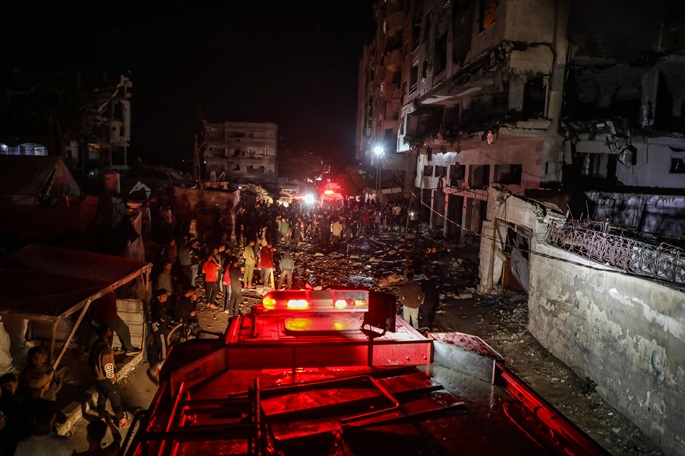
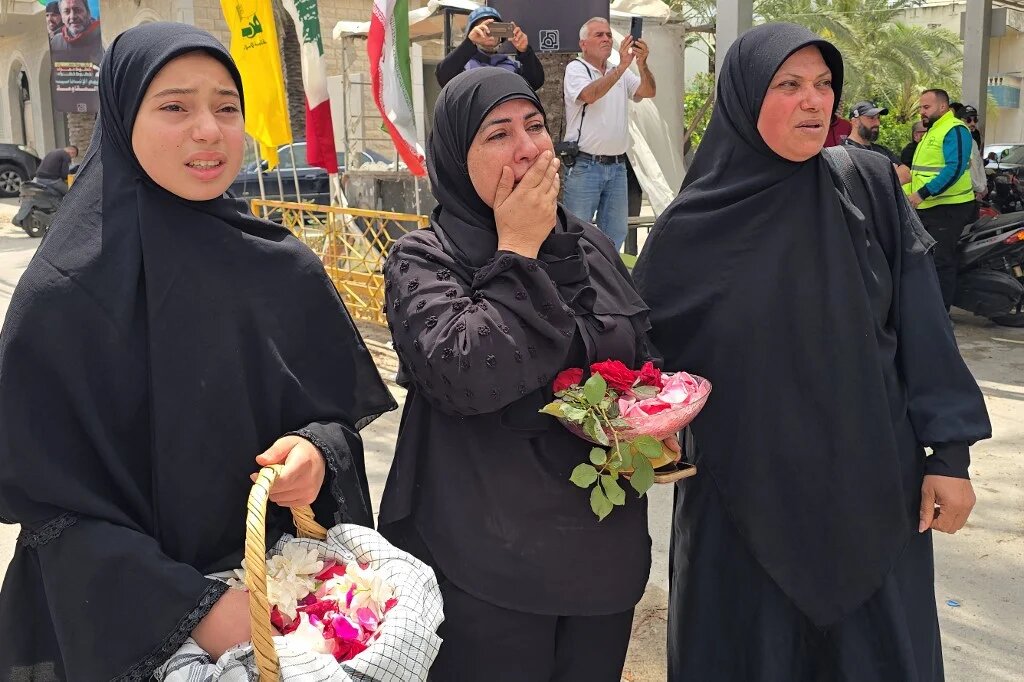
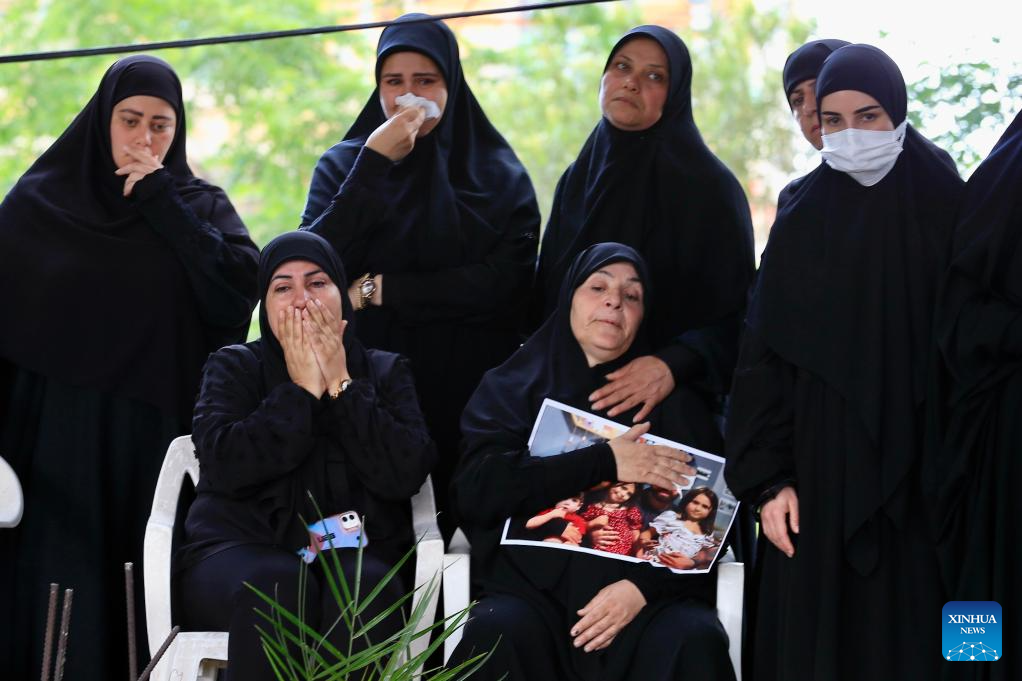
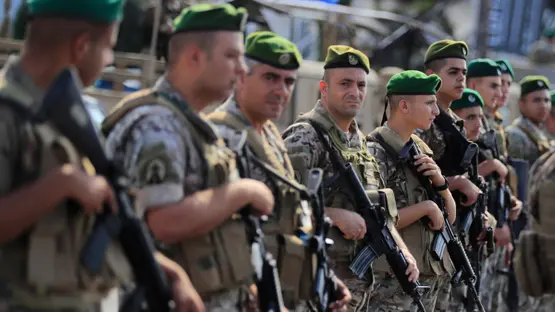
Lebanon has been impacted by multiple wars, including the current conflict between Israel and Hezbollah, which has exacerbated an already fragile situation. This conflict has led to significant displacement, destruction of infrastructure, and a heightened sense of insecurity across the country. On May 15, the United States announced a 45-day extension of a mid-April ceasefire between Lebanon and Israel, an effort to de-escalate hostilities and provide a window for humanitarian relief. Despite these ceasefire periods, attacks by both Israel and Hezbollah have continued to erupt, impacting civilians and medical personnel. These intermittent but often intense clashes show the persistent volatility and the constant threat faced by communities, making the work of organizations like FDCD even more critical for survival and stability. The ongoing violence not only causes direct harm but also disrupts essential services and hinders humanitarian access, further complicating relief efforts.
Voices of Partnership and Hope
The Forum for Development, Culture and Dialogue (FDCD) is a long-standing partner of the Presbyterian Church (U.S.A.) in its international relationships, a testament to the enduring trust and shared vision between the two organizations. This deep-rooted partnership aims to foster peacebuilding and provide aid in Lebanon, addressing both the immediate consequences of crises and the underlying factors contributing to instability. The collaboration is built on a foundation of mutual respect and a shared commitment to human dignity and social justice.
The impact of FDCD's work is profoundly felt at the individual level, as illustrated by the experiences of participants in its dialogue programs. Jana, a Sunni, participated in one of FDCD’s dialogues, an experience that proved transformative. She described her initial apprehension upon entering the session. "When I first arrived, I kept my distance, feeling anxious and unwilling to engage," she stated, reflecting a common sentiment among individuals from diverse backgrounds who may harbor preconceived notions or historical grievances. However, her experience in the program led to significant personal and familial shifts, demonstrating the power of facilitated dialogue. "It opened my parents’ minds — to the point where they have begun to see the world through my eyes — and it even led me to find my best friend at university, who is from the Shiite community," Jana added. Her testimony illustrates the profound and broad impact of FDCD's initiatives on fostering inter-communal understanding within Lebanon. Such personal connections are vital in a society often marked by sectarian divisions, proving that dialogue can indeed build bridges and cultivate lasting friendships across traditional boundaries. This success story exemplifies the core mission of FDCD: to create spaces where individuals can transcend differences and discover their shared humanity.