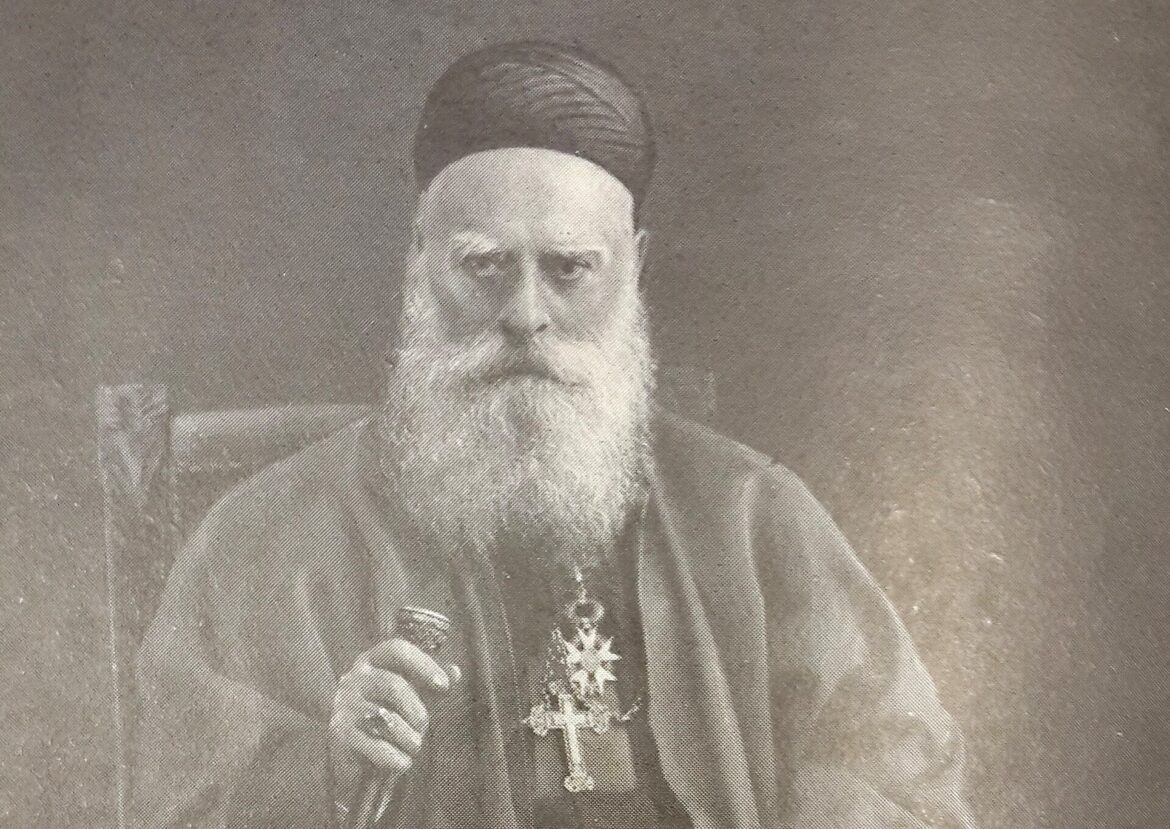
Pope Leo XIV advanced the cause for sainthood of Maronite Patriarch Elias Hoyek of Antioch by recognizing a miracle attributed to him. The pontiff signed the decree on May 22, 2026, formally acknowledging the miraculous event. Patriarch Hoyek, who served as Patriarch of Antioch for the Maronites, was a significant figure during a critical period for Lebanon, demonstrating profound spiritual leadership and a commitment to his people. His recognition marks a key step in the rigorous process toward canonization within the Catholic Church, moving him closer to being declared a saint.
Patriarch Hoyek's Path to Sainthood
The decree signed by Pope Leo XIV on May 22, 2026, officially paves the way for Patriarch Elias Hoyek's beatification, which is the penultimate step before canonization. Patriarch Elias Hoyek led the Maronite Catholic Church until his death in 1931, a tenure marked by significant challenges and dedicated service. His journey toward sainthood gained substantial momentum in 2019 when Pope Francis declared Patriarch Elias Hoyek venerable, a recognition of his heroic virtues and a significant step in the canonization process. This declaration followed a thorough examination of his life and actions by the Dicastery for the Causes of Saints.
Patriarch Hoyek was born in Helta, Lebanon, during a period when the region was under Ottoman control, a time of considerable political and social upheaval. He was elected patriarch of the Maronite Catholic Church in 1899, assuming leadership during a challenging era that demanded both spiritual guidance and pragmatic action. During the devastating period of World War I, Patriarch Hoyek utilized Church funds and leveraged his extensive international connections to prevent widespread starvation caused by a famine orchestrated by Ottoman authorities. His tireless efforts and strategic interventions provided critical relief to countless individuals and families suffering from the severe food shortages and economic hardship.
Following the war, Patriarch Hoyek became a vocal and influential advocate for an independent Lebanese state, recognizing the importance of self-determination for his people. He presented his compelling case at the 1919 Paris Peace Conference, where world leaders were redrawing the map of the Middle East. His persistent advocacy proved instrumental in securing French support for the establishment of Greater Lebanon in 1920, a foundational moment for the modern Lebanese state. This historical role shows his lasting impact on both the Maronite Church and the nation of Lebanon, solidifying his legacy as a spiritual leader and a national hero. The recognition of a miracle attributed to him now brings him closer to the ultimate honor of sainthood.
Other Causes Advanced
The other decrees approved by Pope Leo XIV on May 22, 2026, recognized the martyrdom of Father Francisco González de Córdova and 79 companions, who were brutally killed in 1936 and 1937 during the violent upheavals of the Spanish Civil War. Their recognition advances their cause toward beatification as martyrs for the faith, acknowledging their sacrifice for their religious beliefs. This group includes priests, religious, and lay individuals who remained steadfast in their faith despite persecution.
The pontiff also recognized the heroic virtues of Salesian Father Costantine Vendrame, an Italian missionary who dedicated his life to evangelization in India. Father Vendrame was known for his extensive and impactful work in the Dibrugarh region of Assam, where he tirelessly served local communities and spread the Christian message with profound dedication. His life exemplified a deep commitment to missionary work and spiritual devotion.
Additionally, the decrees acknowledged the heroic virtues of Capuchin Friar Nazareno da Pula, born in Cagliari, Italy. Friar Nazareno spent his life in religious service, exemplifying Christian virtues through his humility, charity, and unwavering faith. His exemplary life of piety and service has been formally recognized by the Church.
Mother María Ana Alberdi Echezarreta, an abbess of the Monastery of the Conceptionist Franciscan Sisters, also had her heroic virtues recognized by Pope Leo XIV. Mother Echezarreta, originally from Azcoitia, Spain, led her community with distinction, demonstrating exceptional spiritual leadership, wisdom, and adherence to her religious vows. Her life served as an inspiration to her fellow sisters and the wider community.
Finally, the decrees recognized the heroic virtues of Carmelite Brother Jean-Thierry of the Child Jesus and of the Passion. Brother Jean-Thierry, who served diligently in Cameroon, is noted for his profound spiritual life, deep devotion, and dedication to his religious calling. His exemplary conduct and spiritual depth have now been officially acknowledged.
Significance of Decrees
Pope Leo XIV advanced the sainthood causes of one woman and five men in total with the recent decrees signed on May 22, 2026. These advancements affect individuals from various religious orders and geographical locations, including a Maronite patriarch, a large group of martyrs from the Spanish Civil War, and several individuals recognized for their heroic virtues. The process of canonization within the Catholic Church involves a full review by the Dicastery for the Causes of Saints, which meticulously examines the lives, writings, and testimonies related to each candidate. This rigorous evaluation culminates in the Pope's approval of decrees that acknowledge miracles, martyrdom, or heroic virtues, moving candidates closer to beatification or canonization within the Catholic Church. These decrees represent significant milestones in the Church's recognition of exemplary lives of faith and service.