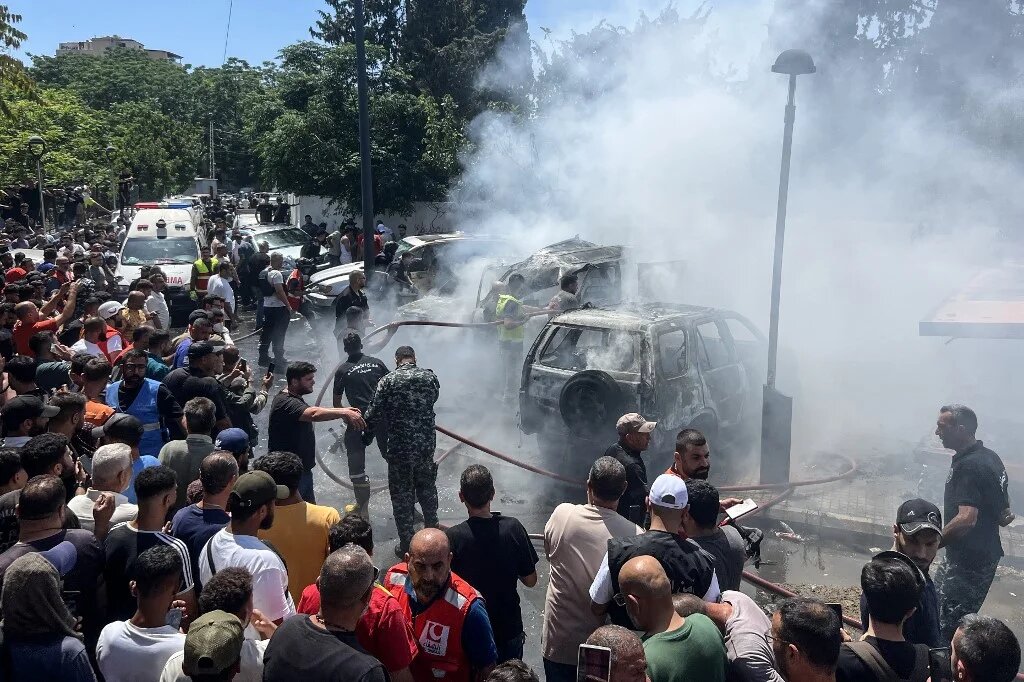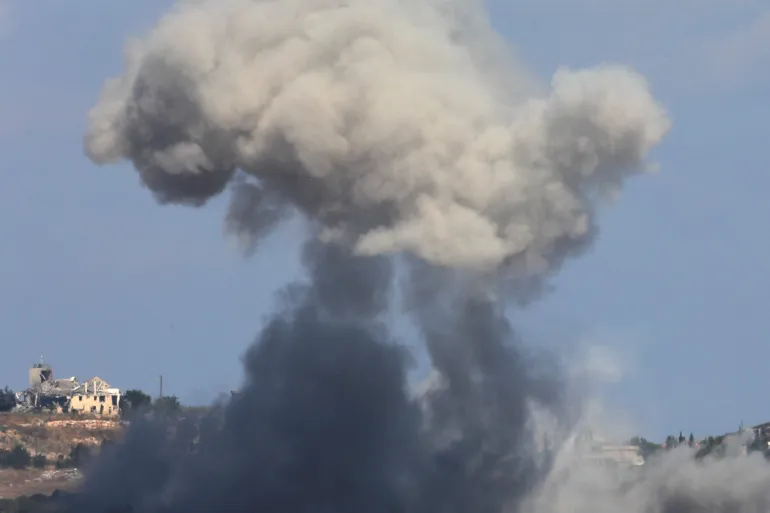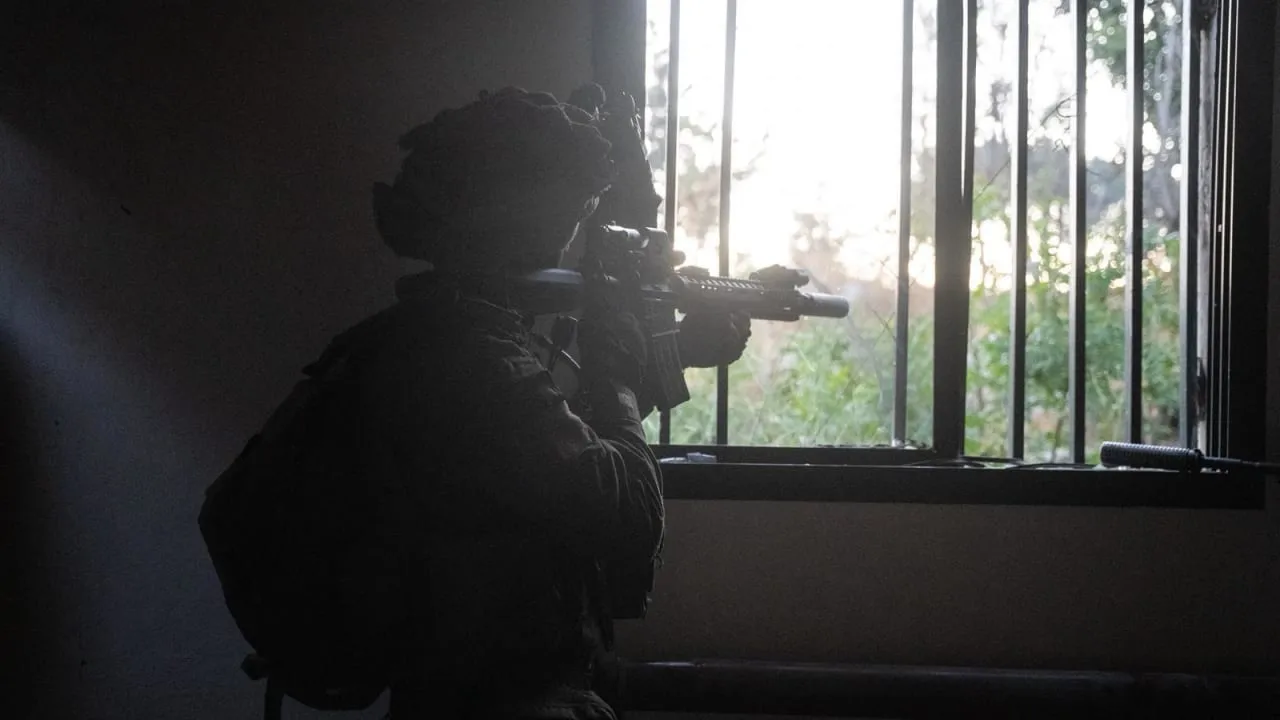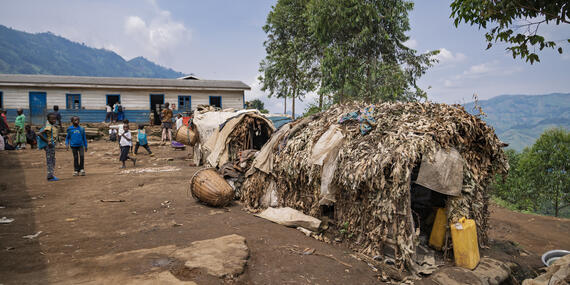
A recent OCHA report notes incidents of severe humanitarian impact, including a strike in Lebanon that injured medical staff and renewed clashes in the Democratic Republic of the Congo causing further displacement. In Lebanon, a strike near Hiram Hospital in Tyre district resulted in injuries to 10 staff members. The incident also caused damage to the hospital’s buildings and vehicles, according to the report. This particular strike near Hiram Hospital in Tyre district shows the immediate dangers faced by medical personnel and infrastructure in areas experiencing heightened tensions. Meanwhile, renewed clashes have been reported in Masisi Territory, Democratic Republic of the Congo. These hostilities have triggered further displacement among the civilian population in the affected areas, exacerbating an already dire humanitarian situation. The report emphasizes the urgent need for protection of civilians and adherence to international humanitarian law in these volatile regions.
Healthcare Under Fire
Health authorities reported 41 new confirmed Ebola cases as of June 11, raising the total to 676 across Ituri, North Kivu, and South Kivu provinces. The World Health Organization has previously noted the challenges faced by healthcare workers in conflict zones, noting the severe risks they undertake to provide essential services. In Lebanon, Hiram Hospital has experienced at least five reported incidents since an escalation began on March 2. These repeated events show the persistent risks to medical facilities and personnel in areas affected by hostilities, making it increasingly difficult for healthcare providers to operate effectively and safely. The cumulative impact of these incidents on the hospital's capacity and the morale of its staff is significant.
Separately, a health worker in the Mongbwalu health zone, Ituri province, Democratic Republic of the Congo, was seized by armed group elements on June 8. This individual was then compelled to perform a post-mortem procedure without appropriate protective equipment, according to the report. Incidents like this highlight the severe dangers faced by medical staff operating under duress, often without the necessary safeguards for their own health and safety. Such actions not only endanger individual healthcare workers but also severely disrupt the provision of key health services to vulnerable populations.
In Lebanon, the report indicates that at least 135 healthcare workers and first responders have been killed. Additionally, nearly 400 others have sustained injuries in the country. These figures reflect the significant human cost to those providing essential services in affected regions, noting the immense sacrifices made by individuals dedicated to humanitarian aid and medical care. The ongoing threats to medical infrastructure and personnel continue to impede humanitarian efforts, limiting access to care for those most in need and exacerbating public health crises.
Displacement and Infrastructure Damage
In the Occupied Palestinian Territory, a structure affiliated with a humanitarian organization sustained minor damage following an Israeli strike near Deir al Balah. This incident shows the broader risks faced by humanitarian operations in conflict zones, where even non-military facilities can be affected by hostilities. Separately, hostilities in Kabare Territory, South Kivu province, Democratic Republic of the Congo, have led to civilian casualties and new displacement over the past three days. The continuous cycle of violence forces families to abandon their homes and livelihoods, leading to an increasing number of internally displaced persons who require urgent assistance.
The OCHA report details significant infrastructure damage in Lebanon, where 146 residential buildings in Beirut and its suburbs were completely destroyed. An additional 264 residential buildings in the same area sustained partial damage. The scale of this destruction has profound implications for housing and urban recovery, displacing thousands of families and disrupting community life. Humanitarian efforts have provided essential relief items to more than 182,000 people in Lebanon since the escalation of hostilities began, addressing immediate needs such as shelter, food, and medical supplies. These relief operations are critical in mitigating the impact of widespread destruction and displacement.
In the West Bank, more than 100 incidents involving demolitions or settler violence have been recorded since the beginning of the year. These incidents have resulted in damage to over 190 water and sanitation structures, according to the report. The destruction of such vital infrastructure has a cascading effect on public health and daily life, limiting access to clean water and sanitation facilities for numerous communities. Such actions not only dispossess communities but also undermine their ability to maintain basic living standards.
Calls for Protection and Aid
An armed attack in Beni territory, North Kivu province, Democratic Republic of the Congo, resulted in the deaths of at least five civilians, according to the OCHA report. This tragic event adds to the mounting civilian death toll in the region, emphasizing the urgent need for enhanced protection measures. In Lebanon, the ongoing escalation has led to damage at 17 hospitals across the country, a figure that includes all three hospitals located in Tyre. The widespread damage to healthcare facilities severely compromises the ability of the health system to respond to emergencies and provide routine care, further straining an already vulnerable population. The report also detailed that the destroyed buildings in Beirut, which previously housed more than 3,100 homes, have rendered thousands of families unable to return to their residences. This massive displacement creates long-term challenges for housing, resettlement, and community rebuilding.
Separately, the entry of humanitarian supplies into Gaza via Kerem Shalom has been reduced since yesterday due to ongoing infrastructure works. This reduction in the flow of aid is a critical concern, as it impacts the delivery of essential goods to a population already facing severe humanitarian needs. The Humanitarian Coordinator ad interim, Damien Mama, traveled to Ituri province to support the ongoing response efforts in the region. His presence shows the international community's commitment to addressing the complex humanitarian challenges in the Democratic Republic of the Congo, particularly in areas affected by conflict and public health emergencies like Ebola. These efforts aim to coordinate aid delivery, ensure the protection of civilians, and support the long-term recovery of affected communities. The OCHA report serves as a stark reminder of the persistent and multifaceted humanitarian crises unfolding globally, necessitating sustained international attention and coordinated action.