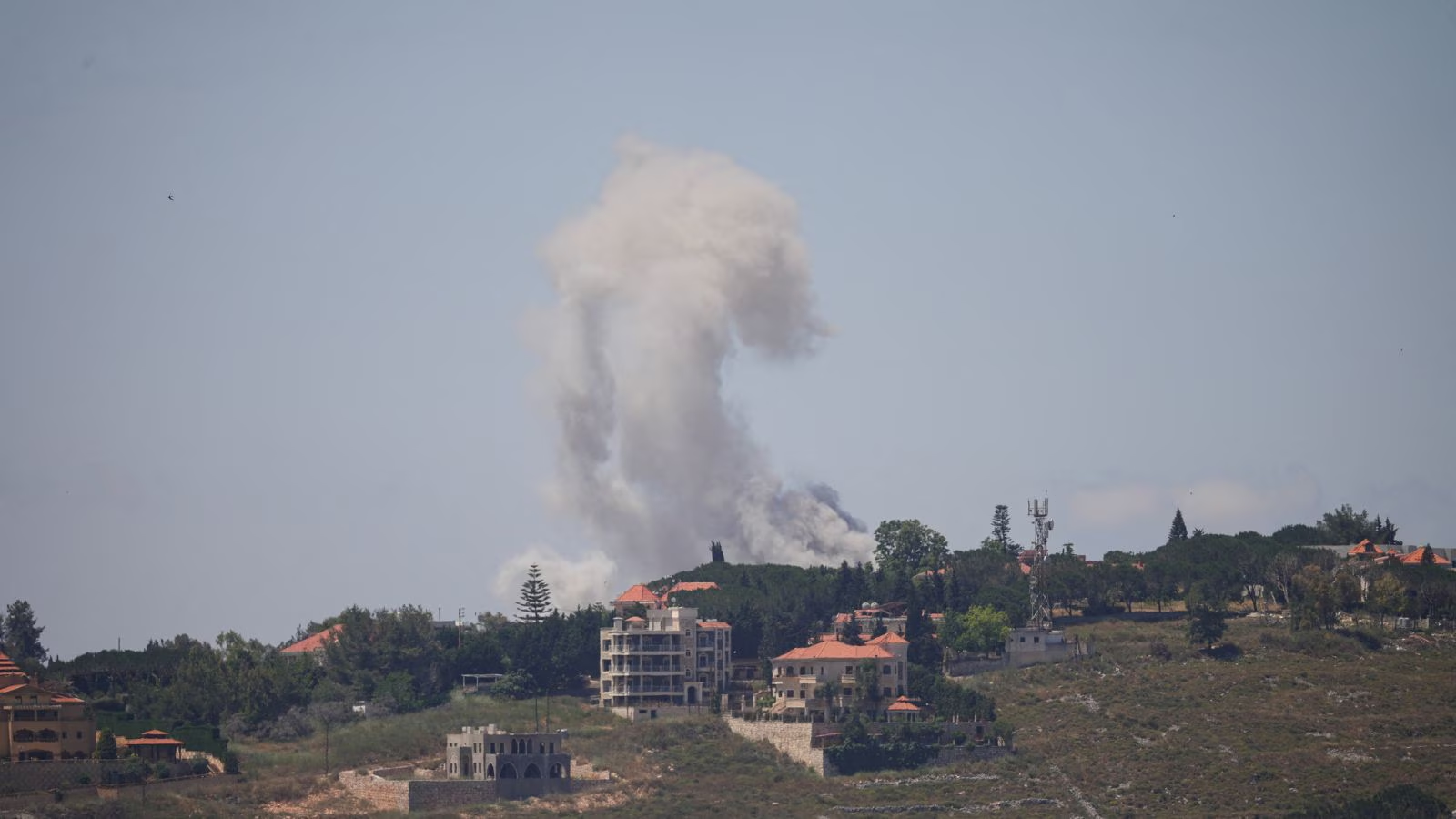
Nine people, including three members of the Lebanese military, were killed in Israeli airstrikes on south Lebanon on Saturday, June 5, 2026. The strikes occurred days after Israel and the Lebanese government reportedly reached a new U.S.-brokered ceasefire deal in Washington. However, according to reports, Hezbollah has refused to accept the truce. This recent agreement, announced through U.S.-brokered talks, aimed to de-escalate tensions in the region. Despite these diplomatic efforts, Hezbollah's rejection of the US-brokered ceasefire deal was reported, casting a shadow over prospects for peace.
Two Lebanese army officers, identified as a brigadier general and a captain, along with a soldier, were killed when an Israeli strike targeted a military vehicle. The total count across the multiple Israeli airstrikes in south Lebanon reached nine fatalities. The series of strikes on Saturday followed the recent agreement on a ceasefire announced through U.S.-brokered talks. Despite the agreement, Hezbollah's refusal to accept the truce was confirmed by reports. The Israeli airstrikes on southern Lebanon on Saturday, June 5, 2026, showed the volatile situation, even as diplomatic efforts had recently secured a ceasefire deal in Washington between Israel and the Lebanese government.
Deadly Strikes Erupt in South
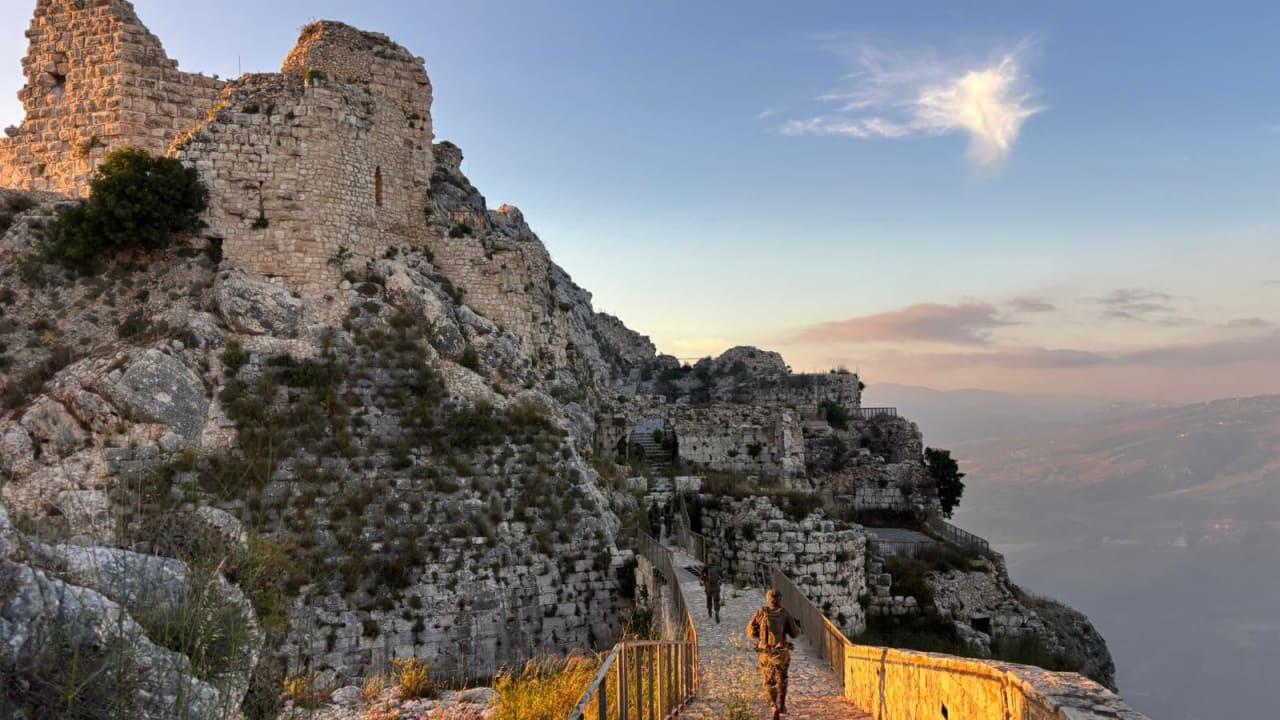
A separate Israeli airstrike in the southern Lebanese village of Saksakiyah killed six people and wounded four, according to reports. This incident contributed to the overall casualty count from the day's events. The strike on the military vehicle, which resulted in the deaths of Lebanese army personnel, occurred on the Khardali-Nabatieh road, approximately 70 kilometers (44 miles) south of Beirut. This specific location, relatively far south of the capital, notes the reach of the recent Israeli operations. The Israeli military confirmed hitting a vehicle and stated the incident is being reviewed.
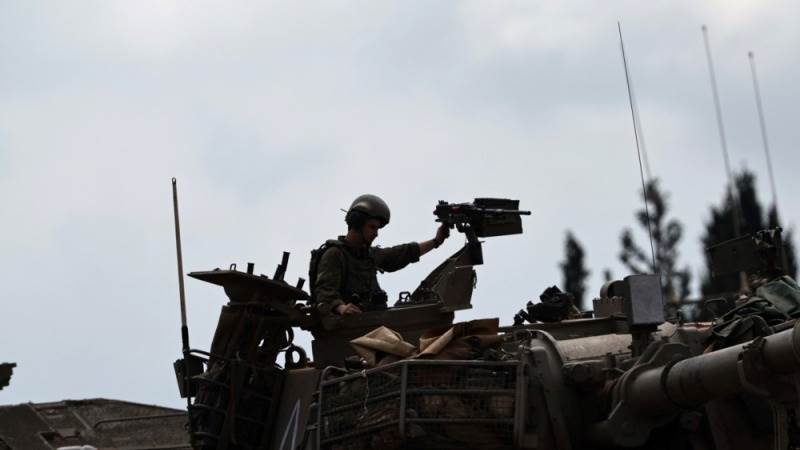
The Israeli military claimed the vehicle was "moving suspiciously" toward Israeli soldiers near the village of Kfar Tibnit. Israeli forces stated they targeted the vehicle after receiving "concrete indications" that Hezbollah would direct fire toward Israeli soldiers from the same area. The Israeli military further clarified its operational scope, stating, "it operates against Hezbollah and not against the Lebanese army." The military reiterated this position, saying, "The military said that it operates against Hezbollah and not against the Lebanese army." This statement aimed to differentiate its targets and operational objectives amidst the rising casualties among Lebanese armed forces. The Israeli military stated it targeted the vehicle after identifying a threat and receiving indications Hezbollah was preparing to fire on Israeli troops from the area, providing their rationale for the strike.
Responding to the incidents, the Lebanese army issued a statement condemning the actions. The Lebanese army said, "The continued, deliberate, and repeated Israeli aggression against Lebanon, its people and its army only strengthens our resolve, faith and determination." The statement from the Israeli military emphasized its operational targeting, confirming a strike on a vehicle classified as moving "suspiciously" toward its soldiers. This occurred near Kfar Tibnit, following intelligence about potential Hezbollah activity. The Israeli military confirmed hitting a vehicle and said the incident is being reviewed. The statement added that the vehicle was "moving suspiciously" toward Israeli soldiers near the village of Kfar Tibnit, after the military received "concrete indications" that Hezbollah would direct fire toward Israeli soldiers from the same area.
Context of Escalating Conflict
The current conflict originated on March 2, when Hezbollah launched rockets toward northern Israel, two days after Israel and the U.S. Initiated attacks on Iran. This developed into a significant Israeli air and ground campaign within Lebanon throughout 2024. A U.S.-brokered ceasefire was implemented in November 2024, though Israel has since continued to conduct strikes in Lebanon. Hostilities between Israel and Hezbollah initially commenced in October 2023, with Hezbollah stating its actions were in support of its Palestinian ally, Hamas. The current war, which began on March 2, escalated significantly after Hezbollah fired rockets at northern Israel, following the attacks on Iran by Israel and the US. This led to a major Israeli air and ground campaign that has continued throughout 2024.
Lebanon’s government has prohibited Hezbollah’s military activities, according to reports. This stance from the Lebanese government shows its efforts to maintain neutrality and prevent its territory from becoming a full-fledged battleground. Hezbollah, for its part, has reportedly rejected proposals that link a ceasefire to its disarmament, indicating a firm stance on its military capabilities and presence. Throughout the current conflict, the Lebanese army has largely remained outside the hostilities between Hezbollah and Israel, not participating in the fighting. This has been a consistent policy, aiming to avoid a broader confrontation between state forces and the Israeli military. The Lebanese army has largely stayed out of hostilities between Hezbollah and Israel and has not taken part in the fighting during the current conflict, a position that became increasingly difficult to maintain following the recent casualties among its ranks.
On Friday, General Joseph Aoun and Lebanon's prime minister reportedly criticized Iran for opposing the latest ceasefire agreement. This criticism notes the complex regional dynamics and the various actors influencing the conflict's trajectory. The Lebanese army stated that "The continued, deliberate, and repeated Israeli aggression against Lebanon, its people and its army only strengthens our resolve, faith and determination." This sentiment reflects the growing frustration and resolve within the Lebanese military following repeated incursions and attacks.
International and Regional Reactions
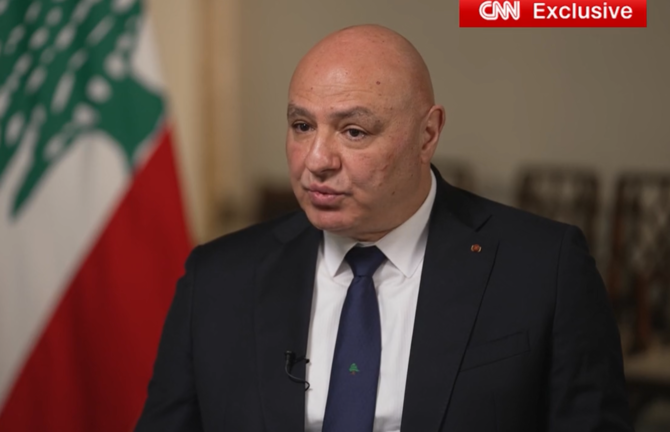
Lebanon's President Joseph Aoun described the strike as "a flagrant violation to Lebanese sovereignty and international law." President Aoun further characterized the incident as "ongoing escalation that threatens stability and security in the south (of Lebanon), despite the efforts Lebanon is exerting in the Washington negotiations to put an end to the ongoing Israeli attacks without deterrent." His strong condemnation shows the severity with which Lebanon views these actions, especially in light of the recent diplomatic efforts. The Lebanese army stated that Israel's attacks were aimed at thwarting efforts to achieve stability, a full ceasefire, and an Israeli withdrawal from occupied Lebanese territories. This claim suggests a deliberate strategy by Israel to undermine peace initiatives.
Israel has launched a ground invasion into Lebanon, seizing approximately a fifth of the country's territory and conducting wide-ranging attacks that have displaced over 1 million people. This significant military operation has had a devastating humanitarian impact. The conflict has resulted in the deaths of at least 29 Israeli soldiers and three civilians. In Lebanon, the fighting has killed more than 3,500 people and displaced more than a million residents. The scale of displacement and casualties on both sides notes the severe human cost of the ongoing hostilities. The conflict has since killed more than 3,500 people in Lebanon and displaced more than a million people, creating a significant humanitarian crisis. Israel has launched a ground invasion of Lebanon and seized around a fifth of the country, carrying out wide attacks that have displaced more than 1 million people, further exacerbating the humanitarian situation.
Iranian Foreign Minister Abbas Araghchi addressed the situation on X, responding to criticism by stating, "One would think it’s Iran that has occupied a fifth of Lebanon, displaced a quarter of Lebanese and is bombing his country on daily basis." He added that if Lebanon were a bargaining chip for Iran, a deal would have been reached long ago, asserting, "Had Lebanon been a bargaining chip for Iran, we’d have a deal long ago. Save Lebanon from your real foe, Mr President." This statement from the Iranian Foreign Minister Abbas Araghchi on X served as a direct response to accusations, asserting Iran’s position and deflecting blame. The Lebanese army reiterated its position, previously stating that "The continued, deliberate, and repeated Israeli aggression against Lebanon, its people and its army only strengthens our resolve, faith and determination." This steadfast declaration from the Lebanese military reflects a national sentiment of defiance against what is perceived as persistent aggression.