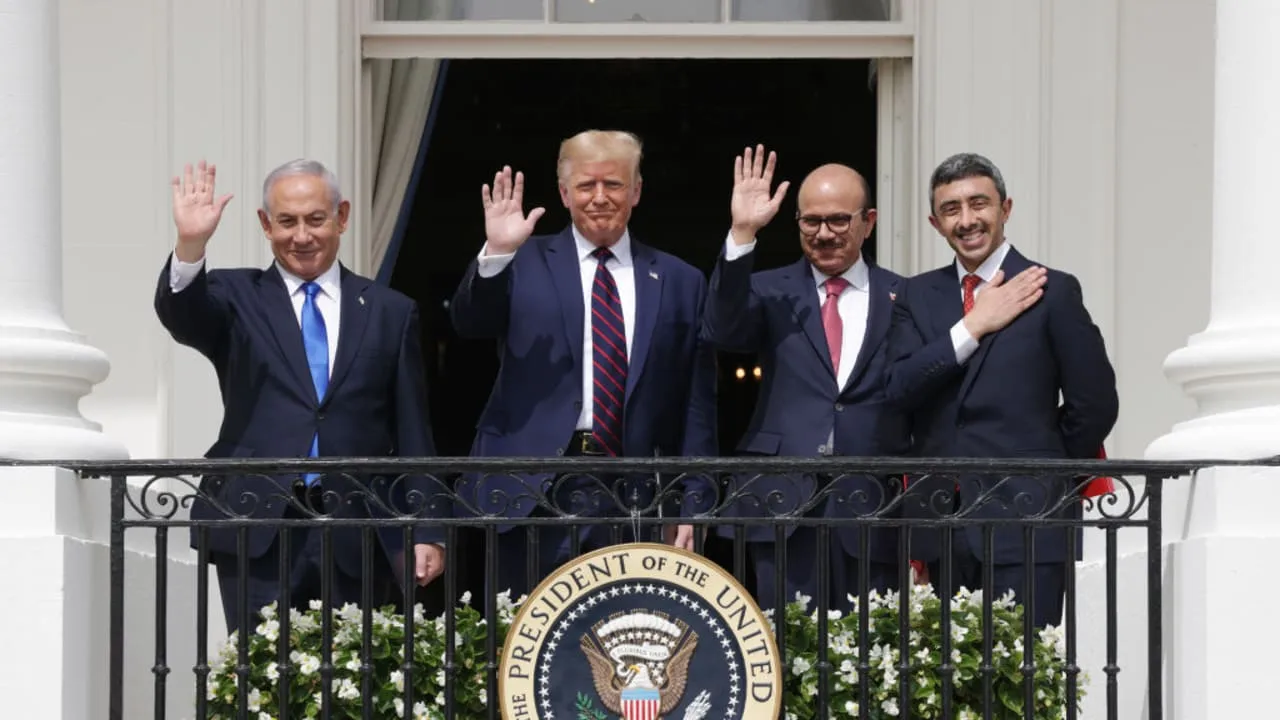
The Council for a Secure America (CSA) released its “Abraham Accords Expansion Opportunities: Middle East Analysis” report on October 8, 2026. This document evaluates the potential for integrating additional nations into the diplomatic framework established by the Abraham Accords.
The report assessed nine Muslim-majority countries to determine their suitability for future normalization efforts. These nations include Kuwait, Lebanon, Syria, Saudi Arabia, Oman, Qatar, Iraq, Yemen, and Iran. By examining these specific states, the Council for a Secure America aims to provide a detailed overview of the regional diplomatic environment. The assessment serves as a primary reference for identifying potential expansion candidates within the Middle East, according to the findings published by the organization earlier this month.
Kuwait Leads Normalization Prospects
Kuwait holds the top position as the most likely nation to join the Abraham Accords. This ranking persists despite existing national laws that prohibit trade with Israel. Yossi Shelley, the ambassador of Israel to the United Arab Emirates, addressed the potential for this diplomatic shift during September 2026. He stated that Kuwait could join the accords within six months. The report from the Council for a Secure America identifies this prospect as a primary development for regional integration. Officials continue to monitor the legislative environment in Kuwait as the state evaluates its future foreign policy trajectory regarding these agreements. The assessment places Kuwait ahead of other nations when considering the likelihood of normalization within the established framework.
Lebanon and Syria Progress
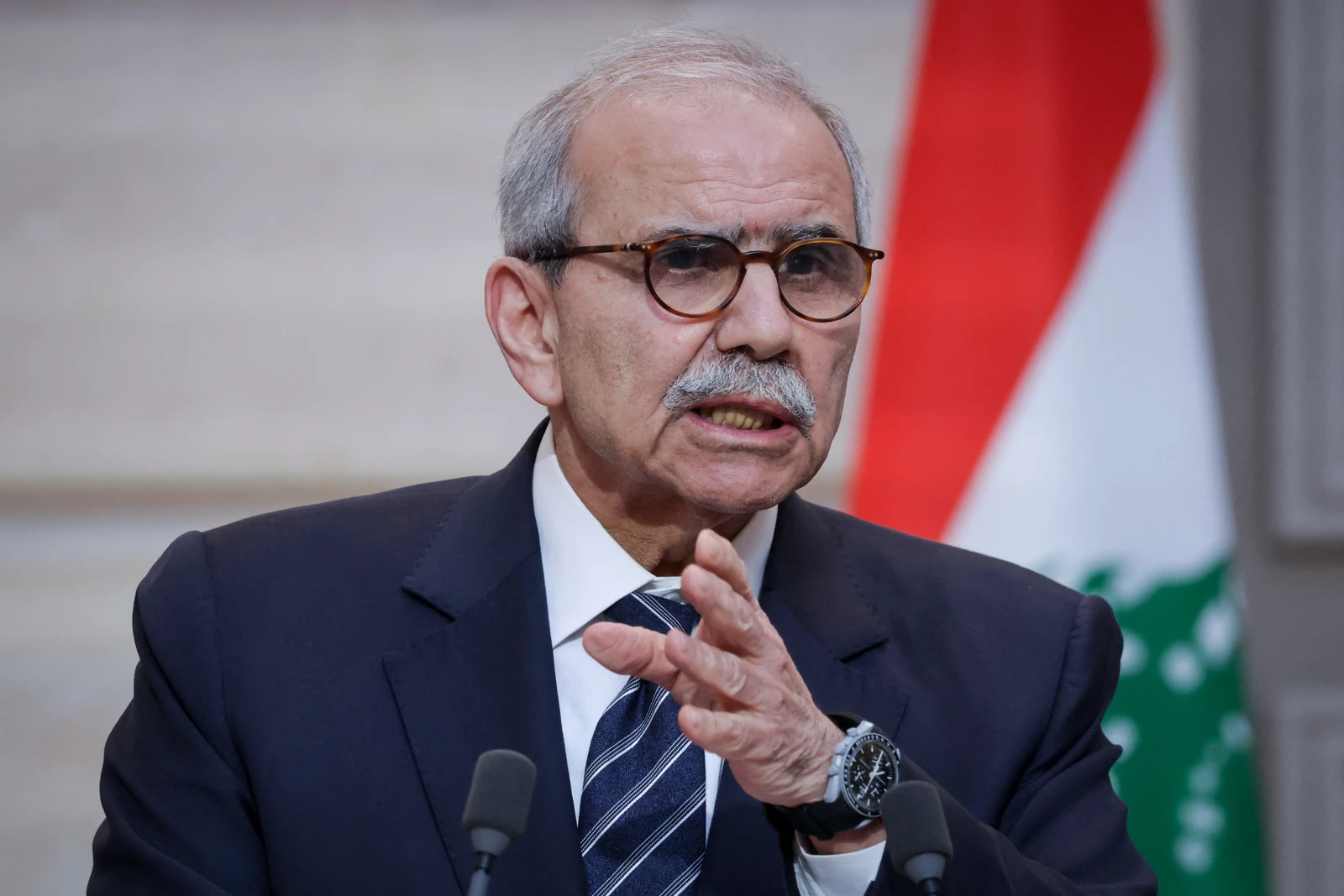
Lebanon occupies the second position in the Council for a Secure America report. This ranking follows a US-brokered Trilateral Framework signed in June 2026, which established Lebanese recognition of Israeli sovereignty. Polling conducted by the Council for a Secure America indicates that 41% of Lebanese citizens believe peace with Israel is likely, while 32% express support for normalization.
Syria follows in the third position. President Ahmed al-Sharaa stated in September 2026 that 90% of outstanding issues with Israel were near agreement. Public opinion in the country reflects these diplomatic efforts. Polling by the Council for a Secure America found 54% of Syrians believe peace is likely, 53% support a security arrangement with Israel, and 46% support normalization.
Regional Shifts and Challenges
Saudi Arabia occupies a lower position in the report regarding near-term normalization. The Council for a Secure America notes that the country has moved further away from such diplomatic efforts since October 7, 2023, and the 2026 Iran War. These regional developments altered the prior trajectory of discussions involving Riyadh.
Iran sits at the bottom of the rankings provided by the Council for a Secure America. The organization concludes that normalization remains not possible under the current regime. This assessment reflects the ongoing geopolitical barriers identified by the authors of the report when evaluating the potential for integrating additional nations into the existing framework. Analysts at the Council for a Secure America maintain this position as they assess the broader regional outlook.
Public Support and Engagement
Public opinion regarding the Abraham Accords remains a significant component of the Council for a Secure America report. Data gathered through a survey conducted by the organization in June 2026 indicates strong backing for the diplomatic framework among Israeli citizens. According to the findings, more than 80% of Israelis support the Abraham Accords. This polling provides insight into the domestic reception of the agreements within the state as regional discussions continue. The Council for a Secure America utilizes these metrics to evaluate how public sentiment aligns with the ongoing normalization efforts across the Middle East. These figures represent the current level of engagement from the Israeli population regarding the international policy framework established by the accords.