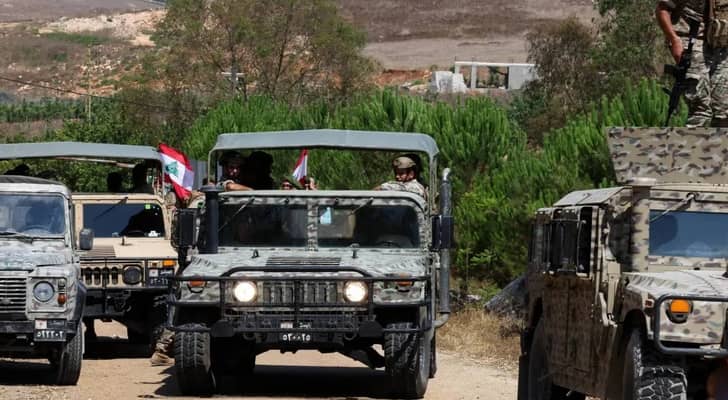
Chinese peacekeepers are routinely providing rehabilitation and treatment services at their camp in southern Lebanon, where the mission area remains volatile due to ongoing conflict. The medical contingent offers these services amidst conditions where the smoke of conflict has not yet cleared, according to reports. This initiative by the Chinese contingent serves to support the local population and other UN personnel stationed in the region. Their continuous medical efforts are a part of broader peacekeeping operations aimed at maintaining stability and providing essential aid in the area. The Chinese medical contingent routinely provides rehabilitation and treatment services at its camp, ensuring a consistent level of care for those in need. These services are a vital component of the overall humanitarian and support operations in the region, reflecting a commitment to both peace and public health.
Addressing Peacekeeper Health Needs
UN peacekeepers often experience chronic training-related injuries due to prolonged exposure to hot and humid conditions, high-intensity field patrols, and routine duty while wearing heavy gear. This contributes to unique health challenges within mission areas. UN peacekeepers are prone to chronic training-related injuries due to prolonged exposure to hot and humid conditions, high-intensity field patrols, and routine duty in heavy gear, making specialized medical attention key. In such environments, physiotherapy emphasizes practical effectiveness and continuity over conventional medical care approaches. Physiotherapy in a peacekeeping mission area places greater emphasis on practical effectiveness and continuity compared to conventional medical care, ensuring that peacekeepers can return to duty swiftly and safely. The Chinese medical contingent adapts its treatment plans continually, taking into account the climate characteristics and the operational tempo within the mission area. The Chinese medical contingent continually adjusts its treatment plans based on climate characteristics and operational tempo in the mission area, ensuring that their medical interventions are both relevant and highly effective for the unique challenges faced by peacekeepers. These adjustments ensure that the medical support remains relevant and effective for peacekeepers facing demanding conditions.
TCM Therapies in Practice
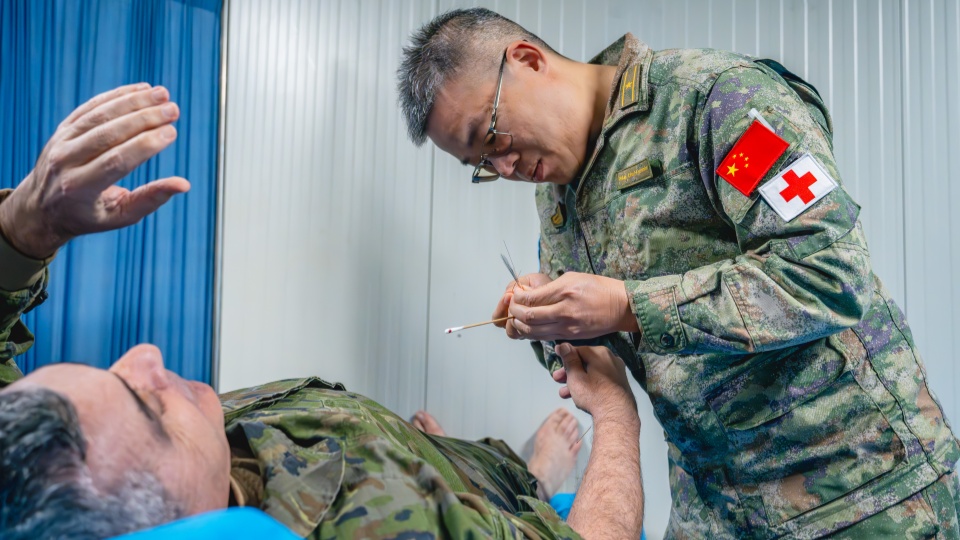
Chinese peacekeeping military doctors have been observed applying traditional Chinese medicine (TCM) techniques in their medical practice in Lebanon. One Chinese military doctor performed bloodletting therapy as part of the medical services provided. In separate instances, another Chinese peacekeeping military doctor delivered cupping therapy to an Indonesian peacekeeper. This particular treatment is often sought for muscle pain and other ailments, reflecting the diverse medical needs within the peacekeeping force.
A Chinese peacekeeping military doctor also administered acupuncture treatment for an Indonesian peacekeeper. This ancient practice, known for its efficacy in pain management and various other conditions, is one of the specialized services available. These therapies are part of the full medical care offered by the contingent, demonstrating a holistic approach to health and wellness. Additionally, a Chinese peacekeeping military doctor examined Antonio Ramon, the former commander of Sector East, for lower back pain, further demonstrating the range of services available to both peacekeepers and other personnel in the mission area. The integration of TCM shows the varied medical approaches utilized by the Chinese contingent, providing alternative and complementary treatments alongside conventional Western medicine.
Mission Impact and Scope
The 24th Chinese Peacekeeping Level 1+ Hospital, serving the United Nations Interim Force in Lebanon (UNIFIL), has provided medical treatment to more than 2,100 fellow peacekeepers and local residents since the start of its mission. This extensive outreach notes the broad impact of the Chinese contingent's medical operations in the region. The 24th Chinese Peacekeeping Level 1+ Hospital to the United Nations Interim Force in Lebanon (UNIFIL) has treated over 2,100 fellow peacekeepers and local residents since beginning its mission, showcasing its significant contribution to the health and well-being of the community and the UN mission. Among these patients, over 780 individuals have received traditional Chinese medicine (TCM) treatment. More than 780 patients have received TCM treatment based on syndrome differentiation from the Chinese hospital, indicating a substantial demand and acceptance for these traditional therapies. These TCM services are administered based on syndrome differentiation, a diagnostic approach central to traditional Chinese medical practice, further illustrating the specialized care offered by the Chinese hospital within the UNIFIL mission area. This detailed diagnostic process allows for highly personalized treatment plans, enhancing the effectiveness of the care provided.