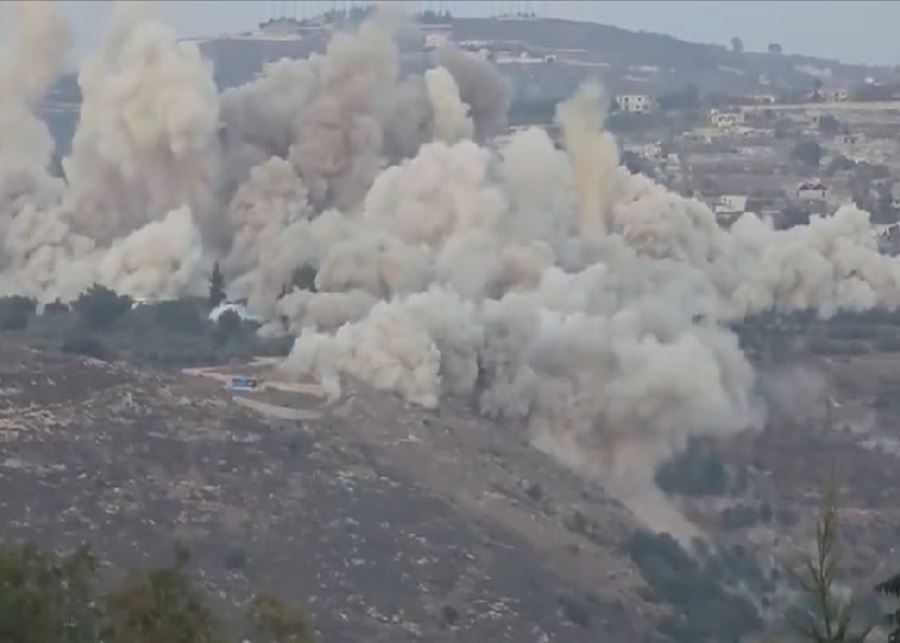
Lebanese security forces seized over half a ton of explosives, including C-4, nails, and iron balls, from two Hezbollah members in the Dahr al-Baidar area. This discovery follows an explosion in the Upper Galilee on Monday, October 12, 2026, which left one person dead and 19 others injured. The Internal Security Forces recovered the materials during an operation in the Dahr al-Baidar region, targeting the movement of illicit shipments. Meanwhile, local authorities in the Upper Galilee continue to investigate the circumstances surrounding the fatal blast that occurred the previous day. Both events have heightened security concerns across the border, as state officials monitor the movement of hazardous materials and the impact of the recent explosion on regional stability.
Hezbollah Explosives Shipments Intercepted
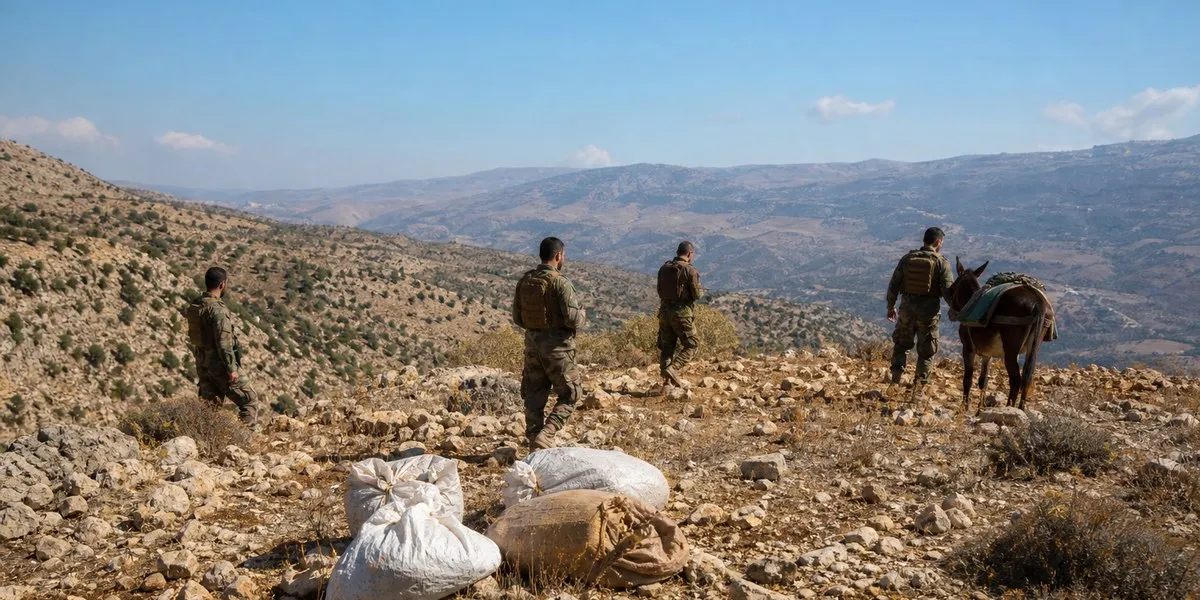
The Lebanese Armed Forces reported seizing 200 kg of explosives in the Qasr-Hermel area on Monday, October 12, 2026. Military officials stated these materials were intended for smuggling from Syria. Security personnel intercepted the shipment as part of ongoing efforts to monitor transit routes in the region. This operation follows separate interdictions of hazardous materials by the Internal Security Forces in other sectors of Lebanon. The Lebanese Armed Forces continue to maintain a presence in the Qasr-Hermel area to prevent the illicit transfer of items across the border. Authorities are investigating the origin of the explosives and the individuals involved in the transit attempt. No further shipments were reported in the immediate vicinity during the seizure.
Upper Galilee Explosion Investigation
The Israeli military’s preliminary investigation into the Upper Galilee explosion points to a Hezbollah cluster bomb as the source of the blast. Military officials stated that the munition was left over from a previous conflict. This finding currently directs the focus of the regional security assessment regarding the fatality and the 19 injuries reported on Monday.
The European Union approved the creation of a civil-military mission to provide training and expertise to the Lebanese Armed Forces and the Internal Security Forces. This mission is scheduled to operate for a three-year period. Officials designed the initiative to enhance the operational capabilities of these Lebanese security bodies as they manage the movement of hazardous materials and monitor border transit routes.
More than 100 military personnel from France, Italy, and Spain will participate in the EU mission. These service members are intended to work alongside local security forces to bolster their technical proficiency. The deployment follows separate interdictions of explosive shipments by Lebanese authorities in the Qasr-Hermel area and Dahr al-Baidar. European Union representatives have not provided a specific start date for the deployment of the personnel, but the authorization covers the full three-year mandate. Lebanese security leaders are expected to coordinate with the incoming European teams to address the ongoing challenges related to illicit material transit and regional stability.