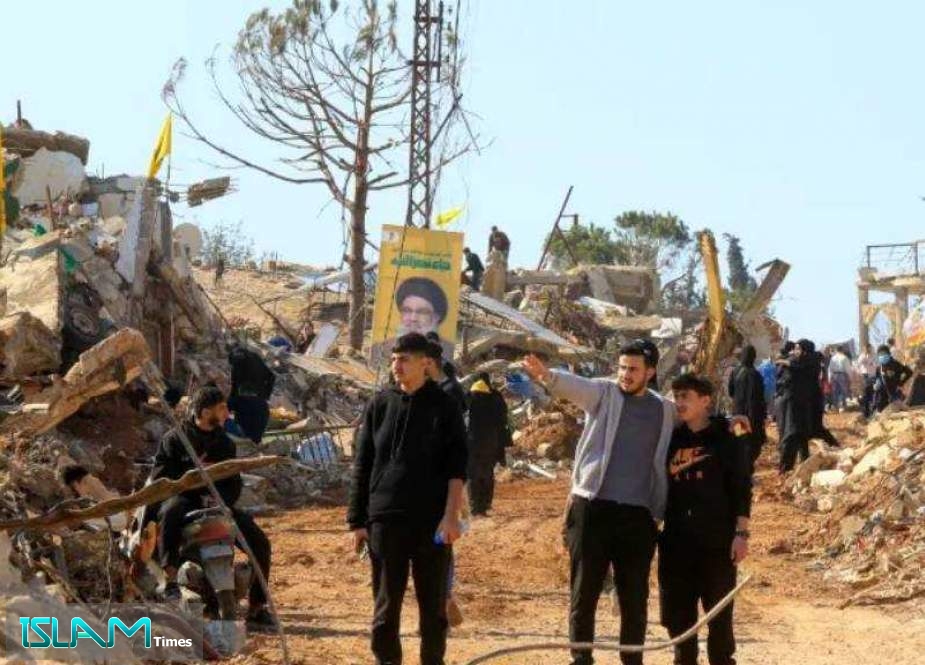
Aida Jleilati and her daughter returned to Nabatiyeh, southern Lebanon, on Tuesday to search through the remnants of their home, which was among those devastated by recent events. Their three-story building, containing six apartments, had completely collapsed, leaving behind a scene of extensive destruction. The family's residence was destroyed in a late May airstrike attributed to Israel, adding to the widespread damage across the city. Jleilati described the profound loss, stating, "What can I say? All that we have gathered in our life has been wasted." The destruction of their home, a three-story building comprising six apartments, on May 26, stands as a stark example of the widespread damage inflicted upon the city.
The widespread damage extends beyond individual residences. Samar Zuraik, a local resident, conveyed that Nabatiyeh is currently unlivable due to continuous shelling. The ongoing disruptions have also resulted in a complete lack of essential services, with no electricity, telephones, or internet available to residents. This critical absence of infrastructure further compounds the challenges faced by those attempting to return or assess the damage in the area. Zuraik's poignant assessment shows the harsh realities confronting the community as they grapple with the aftermath of the conflict, with the constant shelling making daily life untenable.
Echoes of War in Rubble
Their home was among those destroyed in a late May airstrike attributed to Israel. The three-story building, containing six apartments, was completely destroyed on May 26. This specific incident notes the precision and devastating impact of the aerial bombardment that has plagued the region, leaving many without shelter. Aida Jleilati and her daughter, Sukaina al-Muhtadi, were planning to return to a Beirut suburb where they had been staying since the destruction, seeking temporary refuge from the incessant hostilities in their hometown, a journey necessitated by the severe damage to their property.
Amidst the debris, Aida Jleilati managed to recover some personal belongings. She pulled out her husband’s scuba diving equipment along with some clothes, tangible remnants of a life now fractured. Her daughter, Sukaina al-Muhtadi, expressed a desire to find a childhood photo album among the rubble, hoping to salvage memories from the wreckage, a poignant reflection of her longing for the past. The search yielded a watch that al-Muhtadi’s mother had given her, a small item salvaged from the extensive damage, a poignant symbol of what little could be retrieved. These individual stories of loss and retrieval paint a vivid picture of the human cost of the conflict, as families sift through the physical manifestations of their past lives, seeking to hold onto any shred of normalcy or memory.
"What can I say? All that we have gathered in our life has been wasted," Aida Jleilati stated, reflecting on the profound and irreversible loss. Despite the devastation, Sukaina al-Muhtadi conveyed a strong attachment to their home city. "We cannot live outside Nabatiyeh," she said, noting the residents' deep connection to the area despite the ongoing challenges and the destruction they face. This sentiment reflects a broader resilience and an enduring bond to their ancestral land, even in the face of overwhelming adversity, as they contemplate returning to the Beirut suburb where they had found temporary shelter.
A City Under Siege
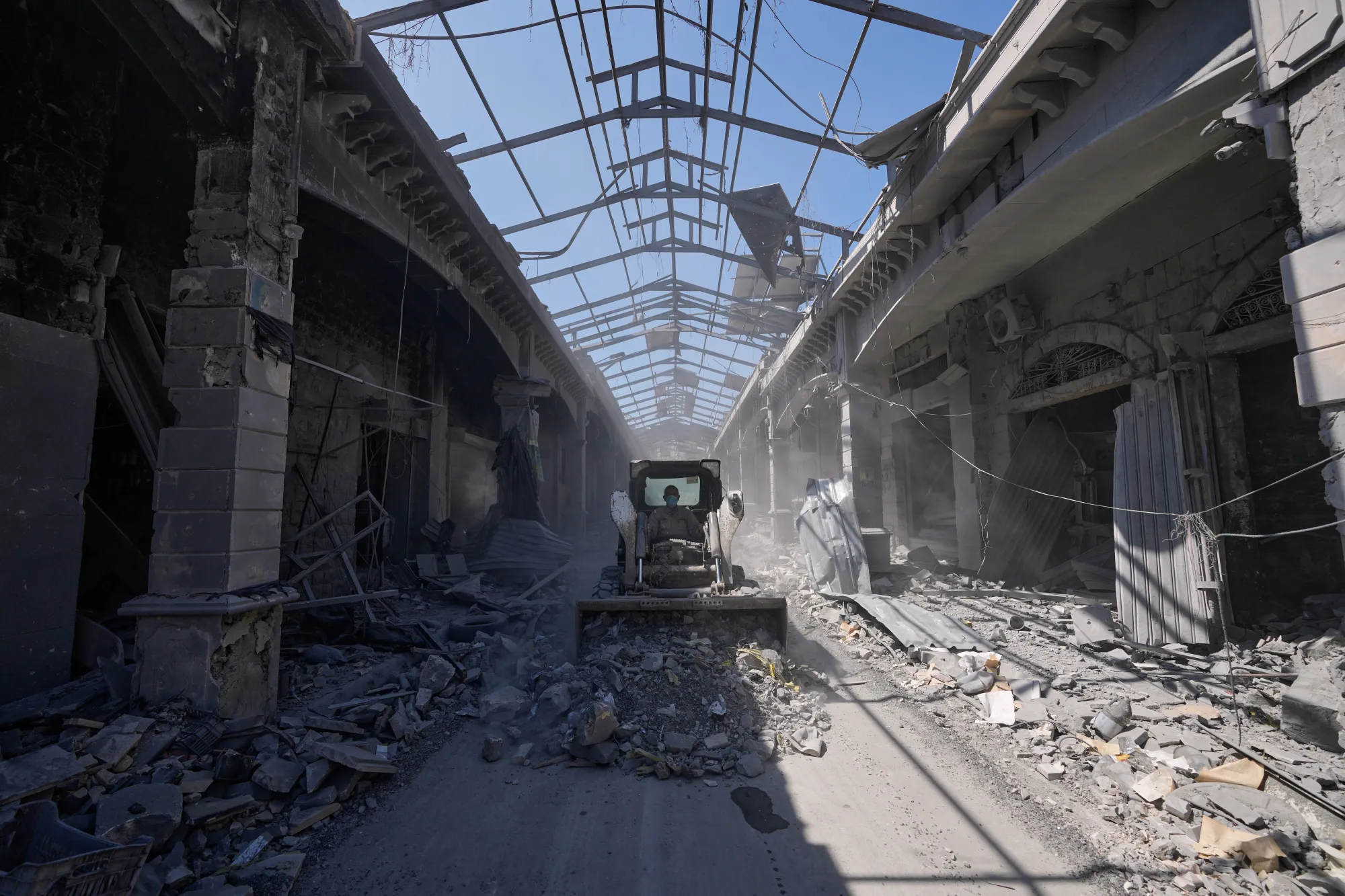
Nabatiyeh has been subjected to intense airstrikes and shelling during the latest Israel-Hezbollah war, leading to wide destruction in its market area. The market of Nabatiyeh suffered extensive damage, impacting the economic heart of the community. While fighting in southern Lebanon has not stopped entirely, strikes have been more limited since the U.S.-Iran deal was announced. Israeli troops have pushed deep into southern Lebanon, reaching approximately 4 kilometers (2.5 miles) southeast of Nabatiyeh, indicating a significant military presence in the region. Historically, Nabatiyeh is known for its vibrant Monday market, which has long served as a key commercial hub for surrounding villages and towns, a tradition that has been severely disrupted by the conflict. The city has also served as a center for religious and cultural activities since Lebanon's creation in 1920, establishing its deep historical and societal roots and showing its importance beyond commerce. Nabatiyeh is a main center in Lebanon where Shiite Muslims mark Ashoura, an annual commemoration of immense religious significance, drawing large gatherings and showing the city's cultural importance and its role in the spiritual life of the region.
The Najdeh El Chaabiyeh Hospital, situated on the edge of Nabatiyeh, has treated hundreds of wounded individuals, becoming a critical lifeline for the war-torn community. On Tuesday, Israeli troops fired artillery shells toward the outskirts of Nabatiyeh, demonstrating the continued military activity despite calls for de-escalation. In response, Hezbollah fired rockets at Israeli positions near the city, illustrating the tit-for-tat exchanges that characterize the conflict and maintain a state of high tension. Israeli troops have also fought for days to capture the Ali Taher hill, which strategically overlooks parts of Nabatiyeh, indicating the importance of controlling key topographical features in the ongoing hostilities and the tactical objectives of the forces involved. The hospital's role in providing medical care amidst such intense fighting shows the dire humanitarian situation and the immense pressure on medical staff and resources.
Human Cost of Conflict
Kamel al-Kamel, 75, estimated his losses at $2.5 million after his supermarket and coffee roastery were destroyed by fire, a devastating blow to his life's work and the local economy. He stated that the latest conflict has been the worst he has experienced, surpassing the 15-year civil war and Israel’s 1982 invasion in terms of its destructive impact and personal toll, noting the unprecedented scale of the current devastation. Despite the extensive damage, al-Kamel expressed resilience, saying, "Thank God we are still alive," a sentiment that echoes the enduring spirit of many residents in the face of insurmountable losses. Samar Zuraik's house sustained damage but remains standing; however, her 27-year-old son, Ali, was tragically killed in an Israeli airstrike. Zuraik lamented her personal tragedy, stating, "I wish I lost my house and my son stayed alive," a heartbreaking testament to the ultimate human cost of the conflict, illustrating the profound grief that transcends material loss. Her words encapsulate the profound grief and unimaginable choices forced upon families in war zones, where the loss of life overshadows all other forms of destruction.
Dr. Shafi Fouani, medical director of Najdeh El Chaabiyeh Hospital, described the latest conflict as similar to the war in 2024, noting, "It was a very harsh war." During the current war, the hospital managed approximately 500 deaths and provided treatment for nearly 1,200 patients, noting the overwhelming burden placed on medical facilities and personnel and the sheer volume of casualties. The number of casualties shows the intensity of the fighting and the critical need for humanitarian aid, as the hospital grapples with the continuous influx of wounded and deceased. The Lebanese Health Ministry reported that more than 3,800 people have been killed in Lebanon during the recent fighting, a staggering figure that points to the widespread devastation and loss of life across the country, affecting countless families and communities. Separately, 30 Israeli soldiers and one defense contractor have been killed in or near southern Lebanon, indicating the significant military casualties on the Israeli side and the risks faced by combatants. Two civilians have also been killed in northern Israel, further illustrating the cross-border nature of the conflict and its impact on civilian populations in both nations, extending the tragedy beyond the immediate battle lines. These figures represent not just statistics, but countless individual tragedies and shattered lives, demonstrating the broad human toll of the hostilities.
Fragile Peace Prospects
The return of residents to Nabatiyeh follows the announcement of a deal between the U.S. And Iran, which Iranian officials claim will end their war and mandate an end to the Israel-Hezbollah conflict in Lebanon. This agreement to cease hostilities was reached late Sunday, offering a glimmer of hope for a lasting peace in the region, though its long-term viability remains uncertain. However, prior ceasefires implemented on April 17 have proven fragile, raising concerns about the long-term stability of the newly announced deal and noting a history of broken agreements. The history of broken agreements and renewed hostilities casts a shadow over the current peace efforts, making residents and observers cautious about the future. In the immediate aftermath of the announcement, Lebanese troops moved to close several roads leading to areas where Israeli forces remain positioned inside Lebanon, a precautionary measure aimed at preventing further confrontations and asserting control over national territory, a critical step in de-escalation. The presence of Israeli troops within Lebanese borders remains a contentious issue, complicating efforts to establish a durable peace and fueling ongoing tensions. The international community watches closely to see if this latest diplomatic effort will succeed where others have faltered, bringing an end to the devastating cycle of violence that has plagued southern Lebanon for too long. The cautious return of residents, coupled with ongoing military maneuvers, shows the precarious nature of the current situation and the deep-seated mistrust that persists between the warring parties, making any lasting peace a challenging endeavor.