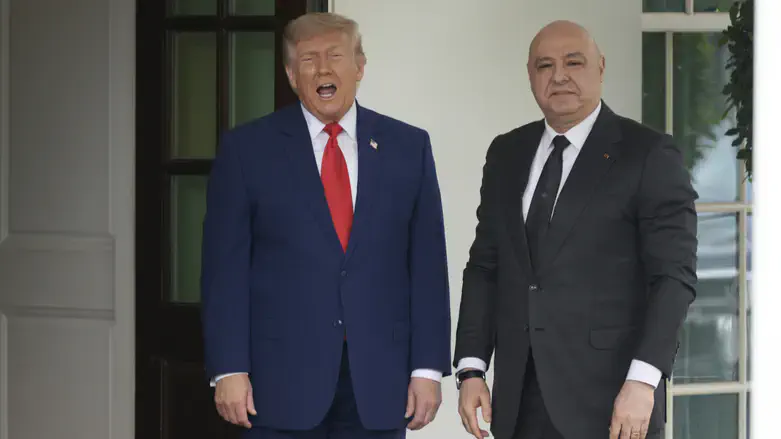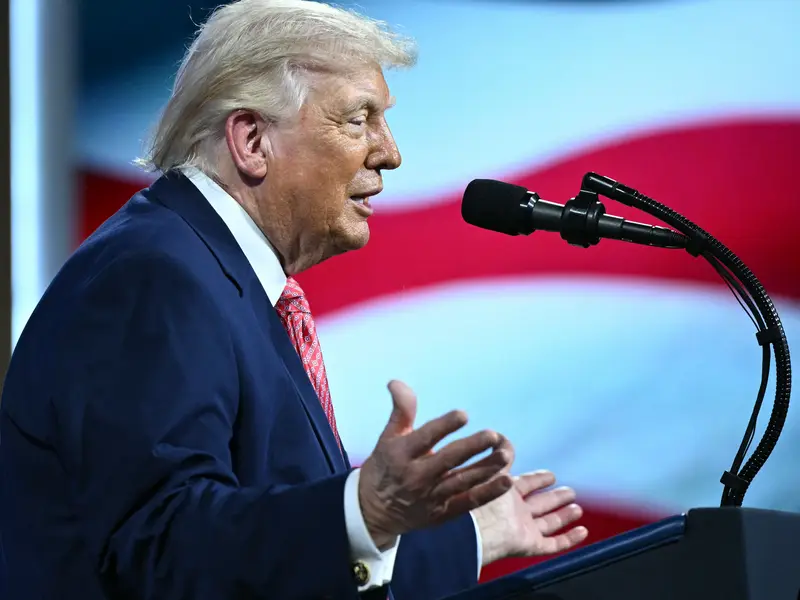
Lebanese President Joseph Aoun met with US President Donald Trump at the White House on Tuesday, July 21, 2026, in a key diplomatic engagement. The meeting in Washington focused on reinforcing bilateral ties and discussing regional stability, according to sources familiar with the discussions. Aoun's visit shows Lebanon's ongoing efforts to secure international support amid complex domestic and regional challenges. The discussions are seen as key for Lebanon's economic and security outlook, providing an opportunity for Lebanon to articulate its strategic priorities and seek renewed commitments from its international partners.
Diplomatic Goals and US Support
President Joseph Aoun's objectives for his Washington meeting included securing continued US political investment in Lebanon, pressure on Israel for withdrawal from Lebanese territory, and US support for the Lebanese Armed Forces (LAF). The Lebanese army possesses professional training and capabilities, partly due to US assistance, enabling it to impose costs on groups attempting to achieve objectives in a national fight. This capacity is vital for maintaining internal order and deterring external aggression. Israel continues to occupy parts of southern Lebanon and conducts bombing operations in the country when it perceives a Hezbollah threat, creating ongoing instability in the border regions. The LAF's enhanced capabilities are viewed as critical for Lebanon to assert its sovereignty and territorial integrity against both state and non-state actors operating within its borders. Continued US engagement is seen as vital for maintaining regional stability and supporting Lebanon's security institutions, ensuring they have the resources needed to fulfill their mandate.
Hezbollah's Shifting Position
Hezbollah's combat power has reportedly suffered due to Israeli strikes and the loss of a friendly regime in Damascus in 2024. The militant group's freedom of movement in southern Lebanon has also been significantly reduced, attributed to frequent Israeli attacks, while its supply routes face constraints following the same change in Damascus. These developments indicate a shift in the operational environment for Hezbollah, potentially limiting its ability to project power as it once did.
Over the past couple of decades, allowing Hezbollah to maintain its armaments has resulted in thousands of Lebanese deaths, injuries, and displacement, according to claims frequently made by Lebanese political figures and international observers. This significant human cost is often cited in discussions regarding the group's role and presence within Lebanon, noting the profound impact its activities have had on the civilian population. The reported decline in Hezbollah's military capabilities and operational leeway comes amidst ongoing regional tensions and domestic debates about the group's future. The impact of these shifts on Lebanon's security landscape and its relationship with external powers remains a key point of focus for the Lebanese government, which seeks to navigate these complex dynamics.
The Perilous Path to Disarmament
The Lebanese government has reportedly adopted a cautious approach to disarming Hezbollah due to perceived risks of civil war and the potential disintegration of the Lebanese Armed Forces (LAF) along sectarian lines, according to the article. This cautious stance is informed by a deep-seated concern for national unity and stability. A significant historical precedent for such concerns is the Lebanese civil war, which raged from 1975 to 1990 and resulted in approximately 150,000 fatalities, a stark reminder of the country's vulnerability to internal strife. However, the article claims that the Lebanese army's current structure allows it to withstand a split from representatives of a single sectarian community, a departure from past vulnerabilities. This assessment suggests a potential shift in the army's resilience against internal divisions, offering a glimmer of hope that the LAF could maintain its cohesion even under pressure. The article argues that the Lebanese government has been too cautious in its approach, suggesting that a more assertive strategy might be possible given the LAF's current capabilities and the changing regional landscape.