Pope Leo XIV departed Lebanon on December 2 as a messenger of peace, delivering a farewell address in Beirut that emphasized the importance of diplomacy and the critical need for non-violent solutions to regional conflicts. His visit, intended to foster understanding and encourage dialogue, concluded with a powerful plea for peace. During his address, Pope Leo XIV stated, "armed struggle brings no benefit. While weapons are lethal, negotiation, mediation and dialogue are constructive. Let us all choose peace as a way, and not just as a goal!" This resonant message showed the Holy See's consistent advocacy for peaceful coexistence and the rejection of violence as a means to achieve political ends. The Pope's departure on December 2 marked the end of a significant diplomatic mission, one that sought to inject hope and a sense of urgency into the pursuit of stability in a volatile region. However, despite these earnest efforts and the Pope's clear articulation of a path forward, the reality on the ground took a starkly different turn. Just three months after Pope Leo XIV's visit, Lebanon was tragically plunged into war, contrasting sharply with his message advocating for non-violent resolutions and noting the immense challenges facing the nation.
The Current Crisis Unfolds
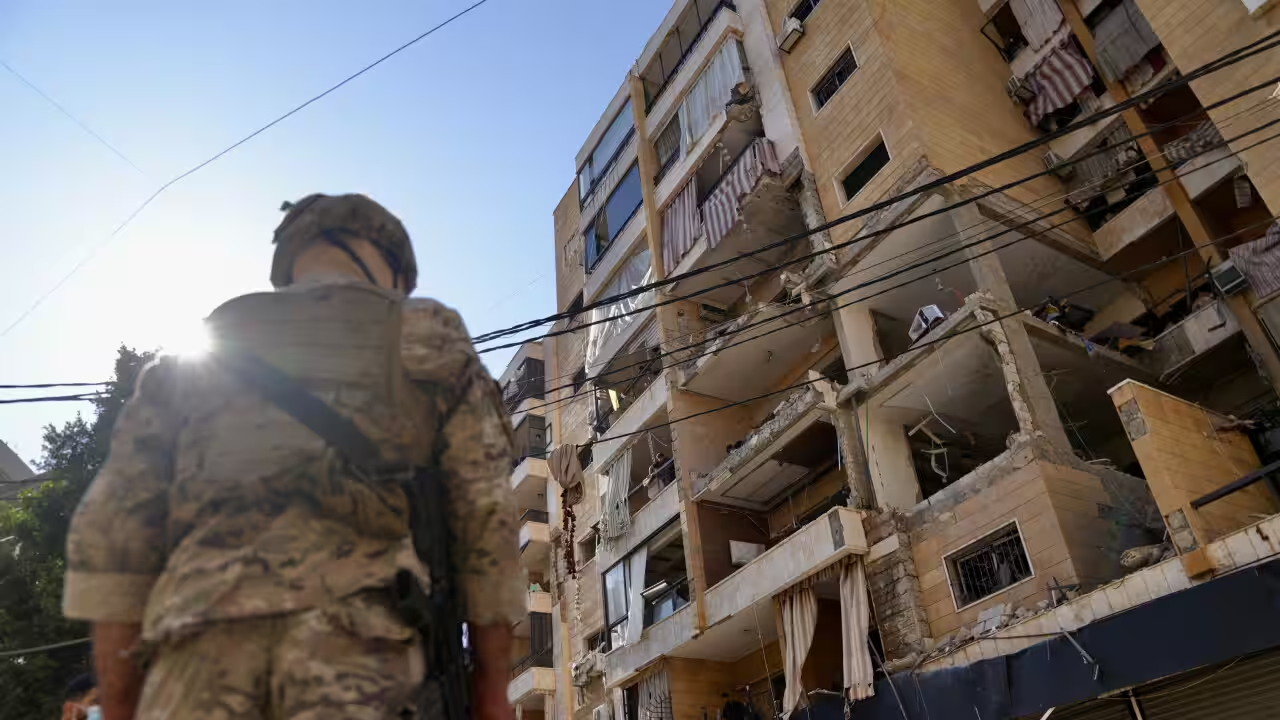
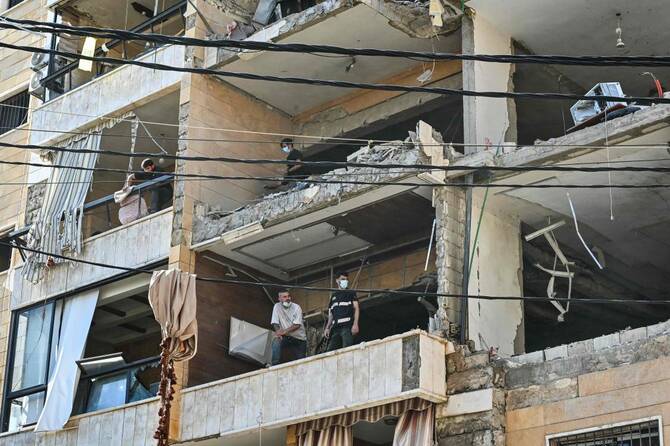
Lebanon remains in a state of profound conflict, a situation largely attributed to the actions of a heavily armed, foreign-funded militia operating beyond the control of the legitimate Lebanese government. This militia's activities have destabilized the country, drawing it into a protracted and devastating conflict that has had severe humanitarian consequences. The ongoing hostilities have resulted in significant displacement across Lebanon, affecting approximately 1.4 million people, which represents about one-quarter of the country's total population. This mass displacement has created an urgent humanitarian crisis, with countless individuals uprooted from their homes and livelihoods, facing uncertain futures. The human cost of the violence has been staggering, with more than 3,500 individuals confirmed killed in the fighting. These figures paint a grim picture of a nation grappling with widespread suffering and loss, a direct consequence of the unchecked actions of non-state actors.
The conflict has also led to a severe deterioration of security in various parts of the country. Israel has designated 14% of Lebanon, particularly in its southern regions, as “free-fire non-civilian zones.” This declaration signifies an extreme escalation, effectively transforming these areas into active combat zones where civilian presence is not acknowledged by the Israeli military. Under these dangerous conditions, about a dozen Lebanese Christian civilians have been tragically killed in the south, caught in the crossfire or targeted in military operations. A particularly harrowing incident occurred on June 1, when Dr. James Karam and his two children, Tony and Theodosia, died in an Israeli drone strike. This tragic event served as a stark reminder of the indiscriminate nature of modern warfare and the devastating impact it has on innocent lives, further exacerbating tensions and fueling the cycle of violence.
During the 2026 conflict, a period marked by intense regional hostilities, both the U.S. And Israel conveyed messages through trusted intermediaries, encouraging Hezbollah to refrain from participating in the hostilities. These diplomatic overtures showed a shared desire, at least from these two nations, to prevent a wider regional conflagration and to limit the scope of the conflict within Lebanon.
Key Actors and Their Agendas
Hezbollah, a powerful political party and paramilitary group in Lebanon, initially resisted its Iranian masters' call to join the conflict for approximately 48 hours. This brief delay, while seemingly minor, indicated a momentary hesitation or strategic calculation on the part of the group, perhaps weighing the potential costs of full-scale engagement. The group had previously sustained significant damage during the 2023-2025 Hamas War, an earlier regional conflict that had already tested its resources and capabilities. This prior engagement had likely left Hezbollah in a weakened state, making the decision to enter another major conflict a complex one. The strategic objectives of the Hezbollah/Iran track are clear and consistent: it aims to preserve Lebanon as a rocket and drone launchpad against Israel. This objective positions Lebanon as a forward operating base for Iranian regional ambitions, fundamentally undermining Lebanese sovereignty and stability for the sake of external interests. This strategy ensures that Lebanon remains a key theater in the broader regional power struggle, perpetuating instability and conflict within its borders.
Beyond the immediate actors, regional dynamics play a significant role in shaping Lebanon's fate. Saudi Arabia and several other Sunni Arab and Muslim states are reportedly seeking to maintain Lebanon's strategic relevance for a future regional arrangement by obstructing a long-term peace agreement. This approach suggests a complex geopolitical game where Lebanon's internal stability is secondary to its utility as a piece in a larger regional mosaic. These states, driven by their own strategic interests and concerns regarding regional power balances, view Lebanon as a critical component in any future security architecture, and therefore, may not be incentivized to push for a peace that fundamentally alters its current strategic alignment. This complex interplay of regional ambitions further complicates the path to a lasting resolution for Lebanon.
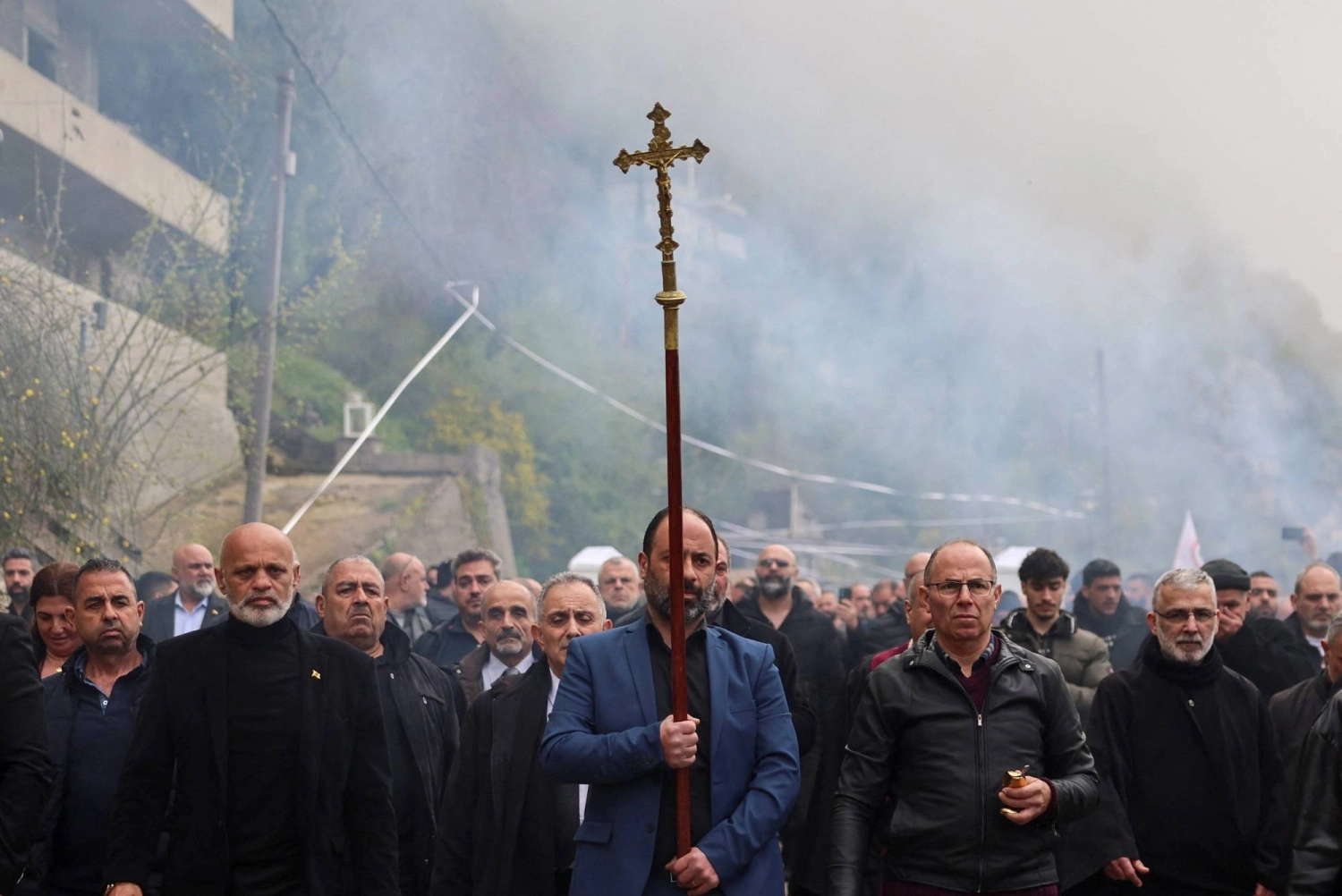
Within Lebanon itself, there is a strong and vocal contingent advocating for peace and stability. In Lebanon, the Maronite Catholic Patriarch and the Maronite Bishop's Council have publicly endorsed negotiations as the only viable path forward. Their stance reflects a deep concern for the welfare of the Lebanese people and a recognition of the futility of armed conflict. The Maronite Bishop's Council, a significant moral and political voice in the country, explicitly stated, "The priorities of the people are not armed conflicts, but security, stability, and the restoration of livelihoods." This powerful declaration shows a widespread sentiment among the populace, noting a profound desire for normalcy and economic recovery over continued warfare. This stance aligns with growing calls for diplomatic solutions amid ongoing tensions, emphasizing that the true needs of the citizens lie in peace, not in perpetual conflict. The historical memory of the Lebanese Civil War, which occurred from 1975 to 1990, serves as a poignant and enduring precedent for prolonged internal conflict in the country. This devastating war, which tore the nation apart for fifteen years, remains a vivid reminder of the catastrophic consequences of unresolved internal divisions and external interference, reinforcing the urgency of finding a diplomatic resolution to the current crisis.
The Diplomatic Path Forward
Amidst the turmoil, diplomatic efforts continue, albeit with significant challenges. The Trump administration has sought to save Lebanon from the brink, pushing the Lebanese and Israeli governments to negotiate directly for the first time in 46 years. This initiative represents a significant diplomatic shift, aiming to bypass traditional intermediaries and foster direct engagement between the two historically adversarial nations. The administration's approach to Lebanon is reportedly not far removed from the stance advocated by Pope Leo XIV, emphasizing dialogue, negotiation, and a peaceful resolution over armed confrontation. This alignment suggests a shared understanding of the necessity of diplomatic engagement to avert further catastrophe in the region.
Public opinion within Lebanon also strongly supports a shift towards peace and disarmament. A May 2026 poll conducted in Lebanon indicated that Christians, Druze, and Sunni Muslims predominantly favor the disarmament of Hezbollah and some form of peace with Israel. This broad consensus across different religious and ethnic groups notes a collective yearning for an end to the conflict and a desire for a future free from the shadow of armed militias. Separate polls also showed unequivocally that most Lebanese did not want the country to enter another war, reflecting a deep-seated war-weariness and a clear preference for stability. The Maronite Bishop’s Council, echoing these sentiments, recently called for Lebanese neutrality, peace talks with Israel "under Arab and international sponsorship," and a return to the principles of the 1949 Armistice Agreement. This full proposal outlines a clear roadmap for de-escalation and reconciliation, advocating for a sovereign and neutral Lebanon that can engage in constructive dialogue with its neighbors. The council previously reiterated that "The priorities of the people are not armed conflicts, but security, stability, and the restoration of livelihoods," reinforcing their consistent message that the well-being of the Lebanese people must take precedence over political or military agendas.
In a promising development, a joint statement issued on June 3 following a trilateral meeting in Washington involving the U.S. Lebanon, and Israel affirmed that sovereignty is central to the diplomatic process. This declaration is a key step, acknowledging Lebanon's right to self-determination and the importance of its territorial integrity in any future peace arrangement. By placing sovereignty at the core of negotiations, the parties signal a commitment to respecting national borders and ensuring that any resolution upholds the independence of the Lebanese state. This emphasis on sovereignty is vital for building trust and laying the groundwork for a sustainable peace that respects the aspirations of all parties involved. The ongoing diplomatic efforts, coupled with the clear desire for peace among the Lebanese populace and the consistent advocacy from religious leaders, offer a glimmer of hope amidst the current crisis, suggesting that a path towards a more stable and prosperous future for Lebanon, though fraught with challenges, may still be within reach.