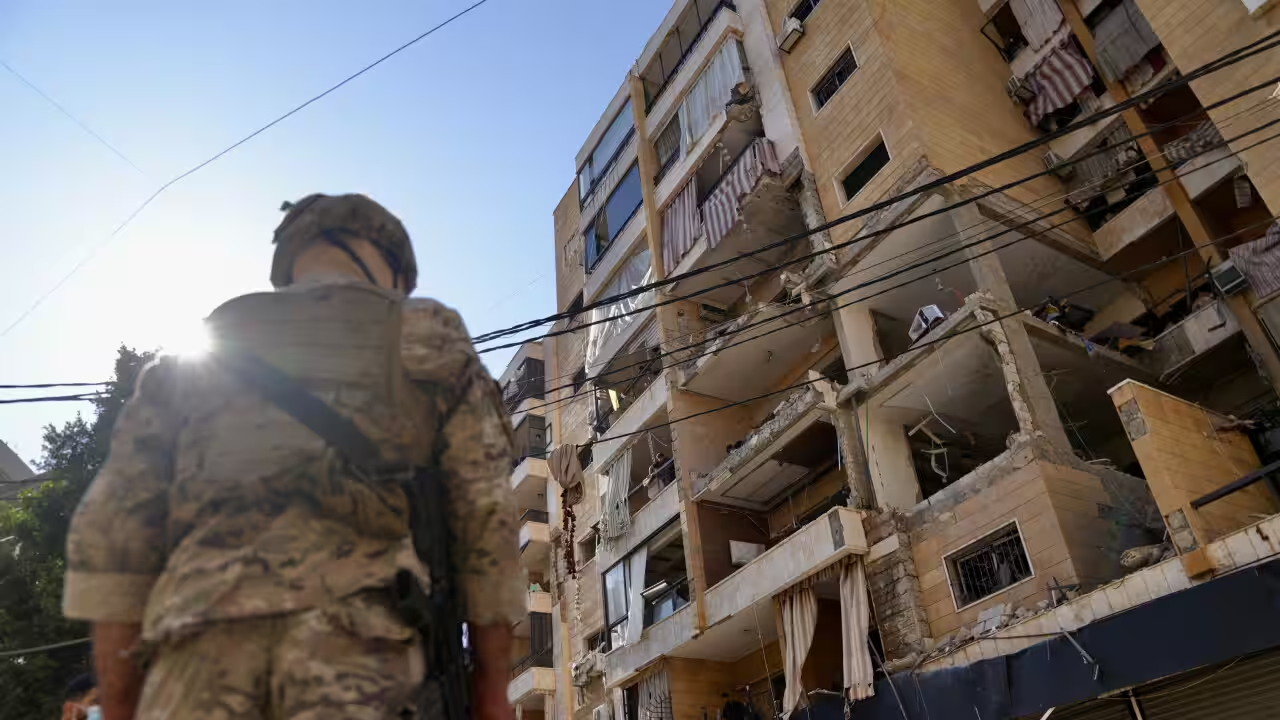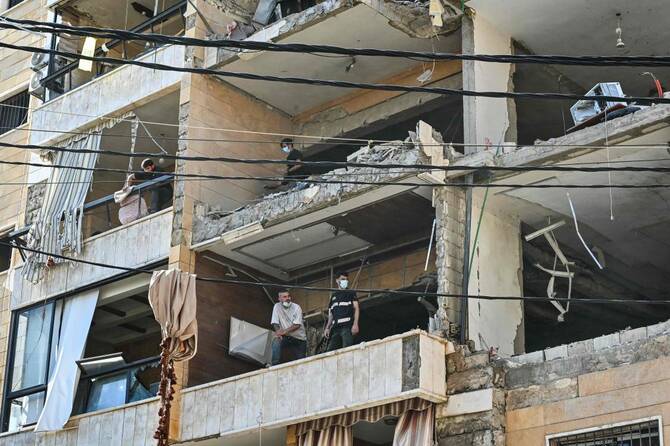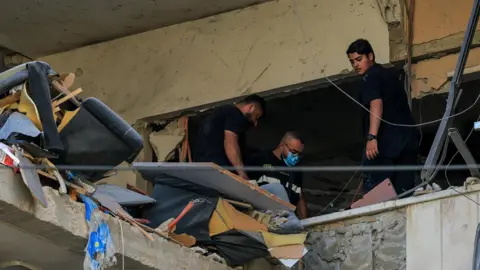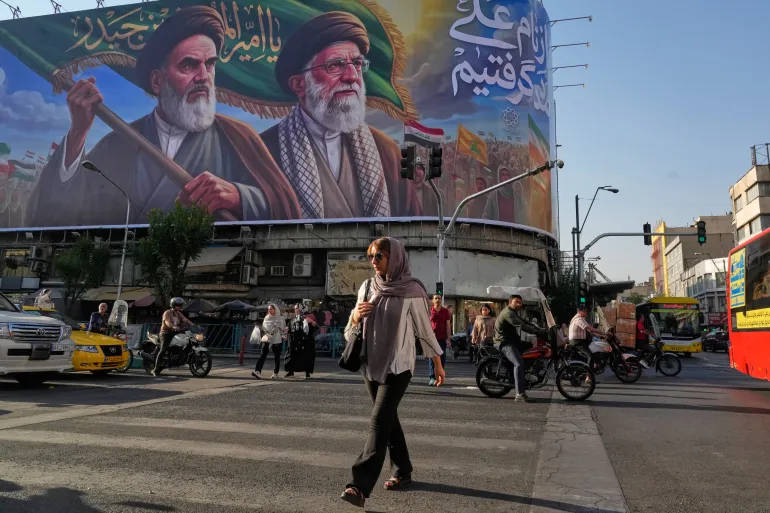
Iran responded to an Israeli strike on an alleged Hezbollah site in southern Beirut by launching missiles at Israel on Sunday, escalating regional tensions and threatening a fragile diplomatic understanding. The Iranian missile launches followed the prior Israeli action in the Lebanese capital, which had already heightened anxieties across the region. In a subsequent development, Israel then conducted retaliatory strikes on Tehran and other cities on Monday, marking a significant escalation in the ongoing hostilities. These actions by both Iran and Israel have cast a shadow over a delicate two-month ceasefire agreement that had been in place between Iran and the United States, raising concerns about its potential unraveling.
The recent surge in military actions prompted immediate diplomatic interventions. US President Donald Trump reportedly intervened directly, engaging with Israeli Prime Minister Benjamin Netanyahu. President Trump successfully convinced Prime Minister Netanyahu against targeting Beirut, a move that could have dramatically intensified regional tensions and potentially led to a broader conflict. This intervention showed the international community's concern over the rapidly deteriorating security situation.
Escalating Hostilities and Diplomatic Standoff
Israeli forces crossed the Litani River last month, a move that coincided with a period of heightened regional tensions and drew sharp criticism. Amidst these developments, Iran’s Islamic Revolutionary Guard Corps (IRGC) issued a stern warning on Thursday, stating there would be "no calm in the region" if Israel maintained its occupation of southern Lebanon. The IRGC’s statement showed the ongoing volatility in the area, signaling Iran's firm stance against any continued Israeli presence in Lebanese territory. This declaration from a key Iranian military entity noted the deep-seated grievances and potential for further confrontation if the status quo in southern Lebanon persists.
A conditional ceasefire, negotiated by Washington, is presently in effect between the Lebanese government and Israel. This agreement, a product of intensive diplomatic efforts, notably excluded representation from Hezbollah, a significant political and military force in Lebanon. The ceasefire also aimed to establish "pilot zones" in southern Lebanon, where the Lebanese army would exercise sole authority, according to the terms of the agreement. A key condition of this ceasefire included the removal of all armed groups from areas south of the Litani River. This provision was designed to create a buffer zone and de-escalate military presence, thereby reducing the likelihood of cross-border incidents and fostering a more stable environment in the volatile border region. The implementation of these pilot zones and the withdrawal of armed groups are seen as critical steps towards solidifying the fragile peace.
In recent weeks, the US military carried out attacks on Iranian islands, further complicating the regional security landscape. These actions were met with a swift and strong response from the IRGC, which launched missiles and drones at US Central Command (CENTCOM) bases located in Kuwait and Bahrain during the same period. The exchange of strikes between US forces and the IRGC indicates a broader pattern of confrontation extending beyond the immediate Lebanese-Israeli border, illustrating the interconnectedness of various regional flashpoints and the potential for a wider escalation involving major international powers. These tit-for-tat actions show the complex and multi-faceted nature of the current regional crisis, with multiple actors engaged in a dangerous cycle of aggression and retaliation.
Lebanon's Role and Internal Divisions
The human cost of the escalating conflict became tragically evident with an Israeli attack on Friday, June 7, 2026. This incident resulted in the deaths of four people, including a woman and a medic, in Zebdine, located in Haret Sidon, Lebanon. The attack, which occurred amidst ongoing regional tensions, showed the devastating impact of the hostilities on civilian populations and noted the urgent need for de-escalation and protection of non-combatants. Such incidents invariably fuel further resentment and complicate efforts towards a peaceful resolution.
Lebanese President Joseph Aoun has asserted that there is no viable path to ending the conflict in the country "except through negotiation and diplomacy." President Aoun's statement reflects a deep understanding of the protracted nature of the crisis and the imperative for political solutions over military ones. He emphasized the necessity for internal dialogue, adding, "Hezbollah must understand that [there is] no other way but to sit and talk." This call for dialogue from the highest office in Lebanon notes the internal divisions within the country regarding the best approach to national security and regional engagement.
President Aoun also openly criticized Tehran, stating that Iran was "using Lebanon as a bargaining chip in their negotiations" with the United States. This strong condemnation from a head of state reveals the complex geopolitical pressures Lebanon faces, often caught between regional powers. President Aoun's remarks suggest a desire for Lebanon to assert its own agency and chart a path independent of external influence, particularly in matters concerning its sovereignty and the welfare of its citizens. He further elaborated on his vision for a resolution, stressing that the Lebanese people deserve peace and stability, which can only be achieved through concerted diplomatic efforts involving all relevant parties.
Despite President Aoun's fervent call for negotiations, Hezbollah maintains its steadfast opposition to direct talks with Israel. This stance notes a significant and persistent internal division within Lebanon regarding the approach to de-escalation and resolution of the conflict. Hezbollah's refusal to engage directly with Israel complicates any unified Lebanese front for peace and reflects its deeply ideological position towards the Israeli state. This ideological barrier remains a formidable obstacle to any full peace process.
Regional Implications and Future Outlook
The recent Israeli strikes threatened to unravel a two-month ceasefire agreement between Iran and the United States, a key understanding that had temporarily eased tensions. The existing ceasefire agreement also stipulated the removal of all armed groups from areas south of the Litani River, a condition aimed at de-escalating military presence in southern Lebanon and fostering a more secure border environment. The potential collapse of this agreement would have broad consequences, likely leading to renewed and intensified hostilities across the region.
Hezbollah, a significant actor in the region with considerable influence within Lebanon, has expressed a clear desire for Iran to assume a more prominent role in mediated talks aimed at resolving the ongoing crisis. The group's stance indicates a push for broader regional engagement in diplomatic efforts, suggesting that Hezbollah views Iran as a key player whose involvement is essential for any sustainable resolution. This desire for Iranian leadership in negotiations reflects the deep strategic alliance between Hezbollah and Tehran, and their shared interests in the regional power balance. Hezbollah believes that Iran's participation would lend greater weight and legitimacy to any peace process, ensuring that the concerns of the "Axis of Resistance" are adequately addressed.
The intricate web of alliances and antagonisms, coupled with the recent military exchanges, shows the precarious state of peace in the Middle East. The actions of various state and non-state actors continue to shape a volatile environment where diplomatic breakthroughs are constantly challenged by military escalations. The future outlook for the region remains uncertain, with calls for negotiation juxtaposed against ongoing armed conflict and geopolitical maneuvering. The international community, led by powers like the United States, faces a daunting task in mediating these complex disputes and preventing a full-scale regional conflagration. The emphasis on diplomacy and adherence to ceasefire agreements, despite their fragility, remains critical to preventing further loss of life and ensuring long-term stability.