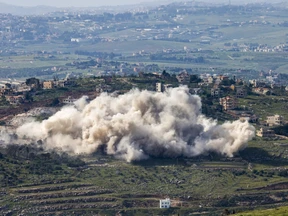
A fragile ceasefire, announced on April 17, has failed to stem displacement in Lebanon, intensifying a humanitarian crisis exacerbated by regional instability. United Nations Secretary-General António Guterres welcomed a three-week extension to the cessation of hostilities arrangement on April 24, 2026, but cautioned against further escalation. The inability of the ceasefire to halt displacement shows the persistent challenges faced by the Lebanese population. Over 124,000 people are currently sheltering in 625 schools and public buildings across Lebanon, according to reports, noting the immediate need for safe and stable environments.
The UN World Food Programme (WFP) stated that "a sharp escalation in violence has reversed recent food security gains in Lebanon and pushed the country back into crisis." This assessment from the WFP points to a significant deterioration in conditions that had seen some improvements prior to the recent surge in hostilities. Approximately 1.24 million people in Lebanon are projected to face high levels of acute food insecurity (IPC Phase 3 or above) between April and August 2026. The WFP noted that "insecurity and displacement are disrupting livelihoods and income opportunities, while market access remains uneven in conflict affected areas as supply chains come under strain." This disruption to supply chains further exacerbates the food crisis, making it difficult for essential goods to reach those in need. Additionally, "rising inflation and food prices continue to erode purchasing power, while reduced humanitarian assistance and funding shortfalls are limiting families’ ability to cope." The combination of these factors creates a dire situation for a significant portion of the Lebanese population.
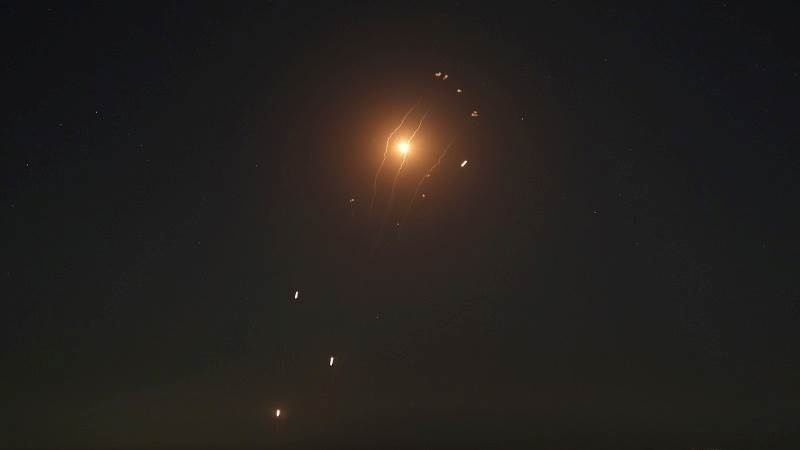
Hezbollah, a Tehran-backed group, fired rockets at Israel on March 2, drawing Lebanon further into the broader Middle East conflict, which was triggered by Hamas attacks on Israel on October 7, 2023. This action by Hezbollah has deepened the regional instability and directly impacted Lebanon's internal security. Secretary-General Guterres posted on social media, stating: "I call on Hezbollah & other non-State actors to abide by the decisions of Lebanon to extend its authority throughout its territory & advance the exclusive control of arms by the State. I call on Israel to withdraw completely from north of the Blue line." Guterres also warned that "The Gaza model must not be replicated in Lebanon," emphasizing the potential for a wider and more devastating conflict. The WFP noted that "damage to farmland, widespread displacement of farming households, restricted access to agricultural areas, rising input costs, and persistent insecurity are constraining production." These constraints on agricultural production directly contribute to the escalating food insecurity across the country.
Escalating Displacement and Hardship
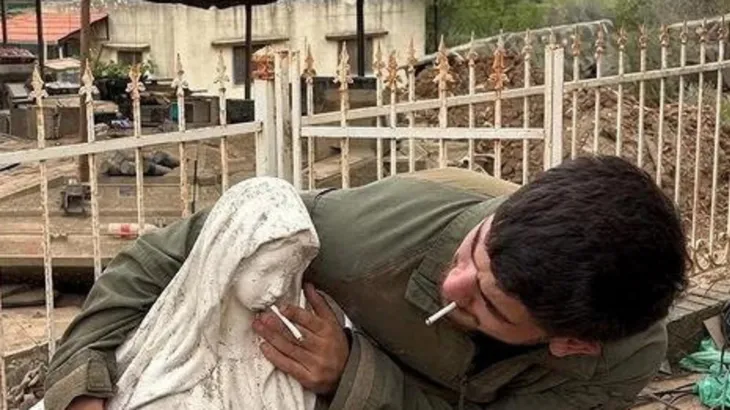
The displacement and humanitarian crisis in Lebanon remains significant, according to a May 5 UNHCR briefing note, which stated that "the displacement and humanitarian crisis in Lebanon is far from over." More than one million people are displaced in Lebanon, representing one in five people in the country. This staggering figure shows the widespread impact of the conflict on the civilian population. New displacement orders issued in 11 towns within Nabatieh were followed by airstrikes, compelling additional families to seek refuge elsewhere. These orders and subsequent attacks demonstrate the ongoing threat to civilian lives and property, even with a ceasefire in place. The UNHCR noted that "Israeli airstrikes, shelling, demolitions, evacuation orders, bans on return to certain areas and movement restrictions that continue to drive repeated displacement and rapidly growing humanitarian needs." The cumulative effect of these actions is a constantly shifting and increasingly vulnerable displaced population.
Between April 17 and May 5, at least 380 people were killed despite the ceasefire being in effect. This tragic statistic notes the continued violence and the limited effectiveness of the cessation of hostilities in protecting civilians. The UNHCR also reported that "civilians remaining in the south of Lebanon and parts of the Bekaa (Valley) are living with the same fear for their lives as before the ceasefire. And more are being forced to flee." Secretary-General Guterres visited Lebanon on March 13 and 14, witnessing firsthand the unfolding crisis. Lebanon's agriculture has not recovered from the Israel-Hezbollah conflict in 2024, contributing to ongoing food insecurity. The long-term effects of this conflict on the agricultural sector are proving to be a major obstacle to recovery and self-sufficiency. The UNHCR detailed the challenges faced by displaced populations, citing "widespread destruction of homes and infrastructure, no electricity or water, damaged or non‑functional health-care facilities and schools, and ongoing risks from unexploded ordnance." These conditions make return to home areas extremely difficult and prolong the humanitarian crisis. The largest increases in populations facing severe food insecurity are concentrated in southern governorates, specifically in the districts of Bent Jbeil, Marjaayoun, El Nabatieh, and Sour. These areas, already vulnerable, are bearing the brunt of the food crisis, requiring urgent and sustained humanitarian intervention.
Global Economic Ripples and Regional Tensions
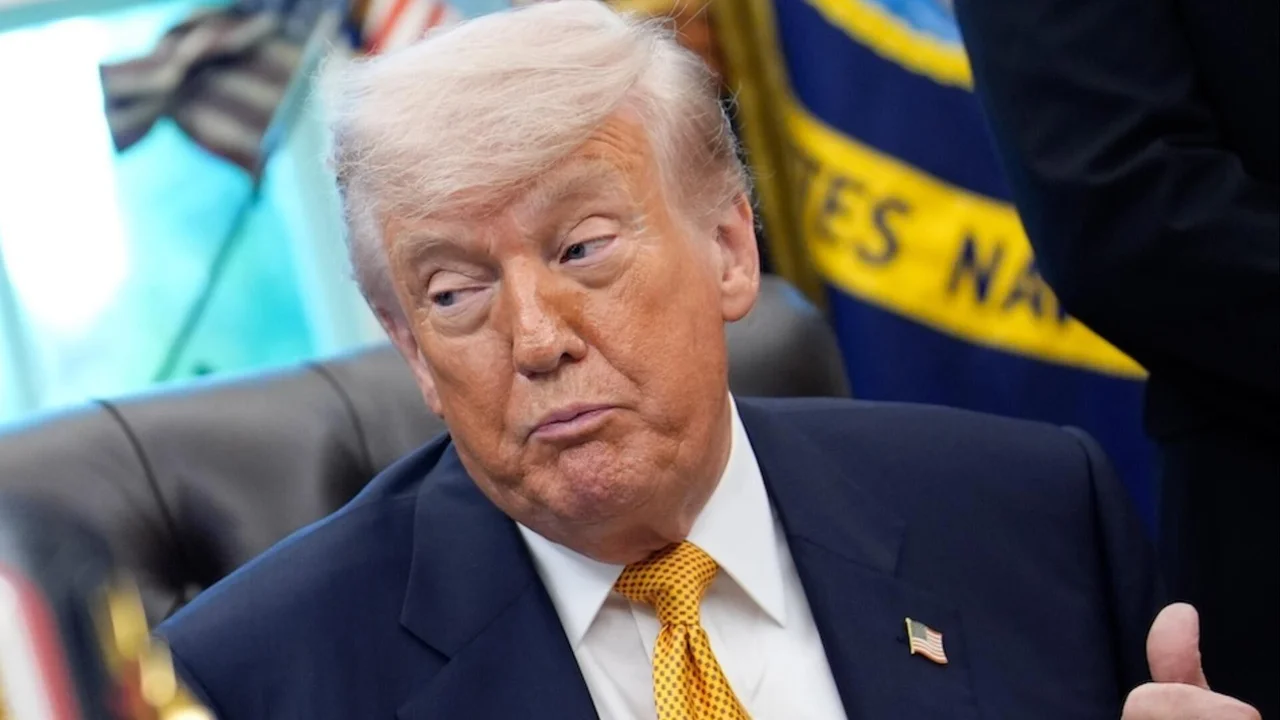
The conflict in the Middle East is projected to have a cascading impact on the global economy, even if a ceasefire announced by U.S. President Donald Trump takes hold, according to World Bank President Ajay Banga. Banga stated in an interview with Reuters on Friday that the damage would be far deeper if the ceasefire fails and the conflict escalates. This assessment from Banga shows the precariousness of the global economic outlook. Global growth could be lowered by 0.3 to 0.4 percentage points in a baseline scenario, with an early end to the war. Inflation could simultaneously increase by 200 to 300 basis points in this baseline scenario. These figures represent a significant drag on economic recovery efforts worldwide.
If the war continues, the inflation impact could reach up to 0.9 percentage points. The World Bank’s baseline estimate currently projects growth in emerging markets and developing economies at 3.65% in 2026, a decrease from the 4% forecast in October. This downward revision reflects the growing concerns about the conflict's economic fallout. Growth in these economies could drop to as low as 2.6% in an adverse scenario involving a longer-lasting conflict. Inflation in emerging markets and developing countries was forecast to hit 4.9% in 2026, an increase from the previous estimate of 3%. The extreme scenario could see inflation rising as high as 6.7% in emerging markets and developing countries, posing a severe threat to economic stability and poverty reduction efforts.
World Bank President Ajay Banga raised concerns about the lasting effects of the conflict, asking, "The question really is, does this current peace and the negotiations that are going to be happening this weekend - will this lead to a lasting peace and then a reopening of the Strait (of Hormuz)?" The Strait of Hormuz is a critical chokepoint for global oil shipments, and its disruption could have broad consequences. He further questioned, "If it doesn’t lead to that, and if conflict were to break out again, would that have an even larger impact, or longer-term impact on energy infrastructure?" Banga expressed concern for countries navigating the crisis, stating, "I worry about making sure that they can come through this crisis, targeting what they need to do, but not doing anything that further deteriorates that fiscal space." This concern notes the need for governments to carefully manage their finances to avoid further economic distress.
He cited Nigeria as a positive example of energy security, remarking, "Nigeria should be breathing a sigh of relief. They’ve built up the ability to have energy security for themselves through that huge investment." Banga added, "It’s actually a really good example of the right thing being done in terms of energy self-sufficiency for them, but also for their neighbors." This example shows the importance of strategic investments in energy infrastructure. He emphasized the importance of diverse energy sources, explaining, "If you don’t get nuclear and hydro and geothermal going at scale, along with wind and solar, they will end up doing more with traditional fuels, and nobody really wants that." Meanwhile, Iran announced on Friday that blocked Iranian assets must be released, and a ceasefire must take hold in Lebanon before U.S.-Iran talks, scheduled for Saturday in Pakistan, can proceed. This statement from Iran adds another layer of complexity to the regional diplomatic efforts and potential for de-escalation.
International Response and Future Outlook
The conflict has significantly impacted global markets, driving the price of oil up by 50%. This substantial increase in oil prices has ripple effects across various industries and consumer costs. This volatility has disrupted supplies of essential goods including oil, gas, fertilizer, and helium, along with affecting tourism and air travel. The widespread disruption of these critical supplies and services shows the interconnectedness of the global economy and the broad consequences of regional conflicts. In response to these economic pressures, the World Bank is engaging in discussions with several developing countries to access funds from existing programs through 'crisis response windows'. These mechanisms are designed to provide rapid financial assistance to countries facing severe economic shocks.
The World Bank expanded its energy policy last June by ending a longstanding ban on funding nuclear energy projects. This move aligns with efforts to diversify energy sources and build resilience against future energy shocks. Nigeria has emerged as an example of increased energy independence, benefiting from a $20 billion investment made by the Dangote Group in refineries. This significant investment has boosted output during the war and is now enabling Nigeria to supply aviation fuel to neighboring countries, demonstrating a tangible positive impact on regional energy security. The World Bank is also collaborating with Mozambique to enhance its energy production capabilities, further contributing to global energy diversification efforts. In a more extreme scenario, inflation in emerging markets and developing countries could escalate to 6.7%, a prospect that would severely challenge economic stability and development progress. The ongoing humanitarian crisis in Lebanon, coupled with the broader regional instability, continues to demand urgent attention and coordinated international efforts to mitigate its devastating human and economic costs. The interplay of conflict, displacement, food insecurity, and global economic ripples paints a challenging picture for the immediate future, with calls for lasting peace and stability growing ever louder.