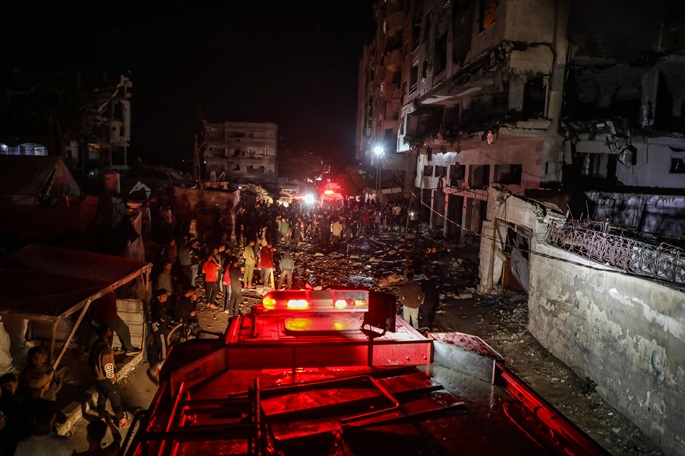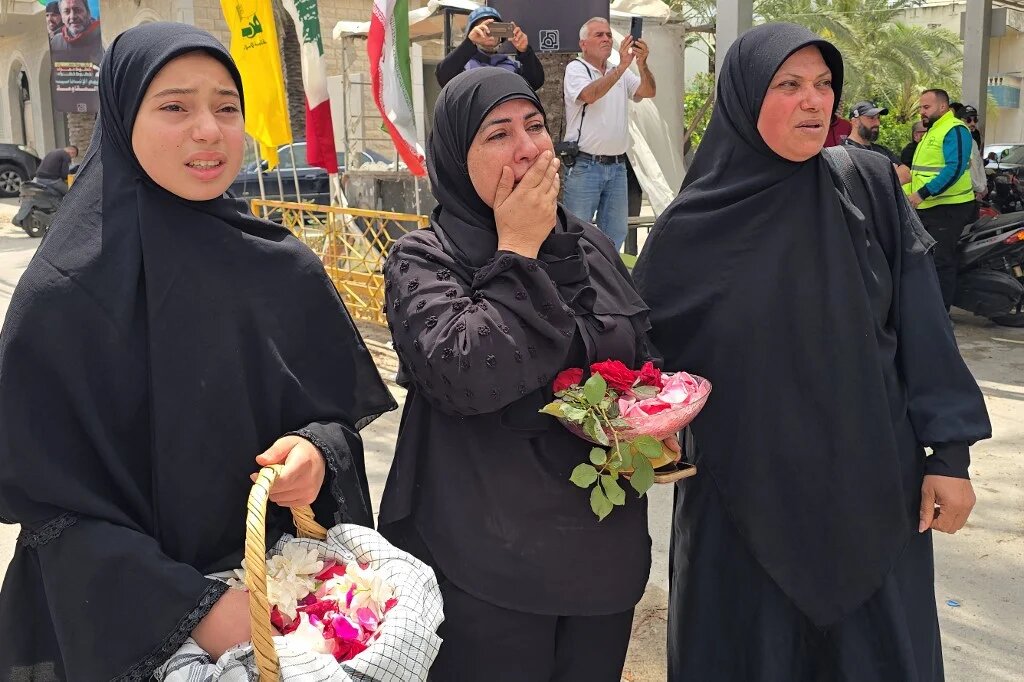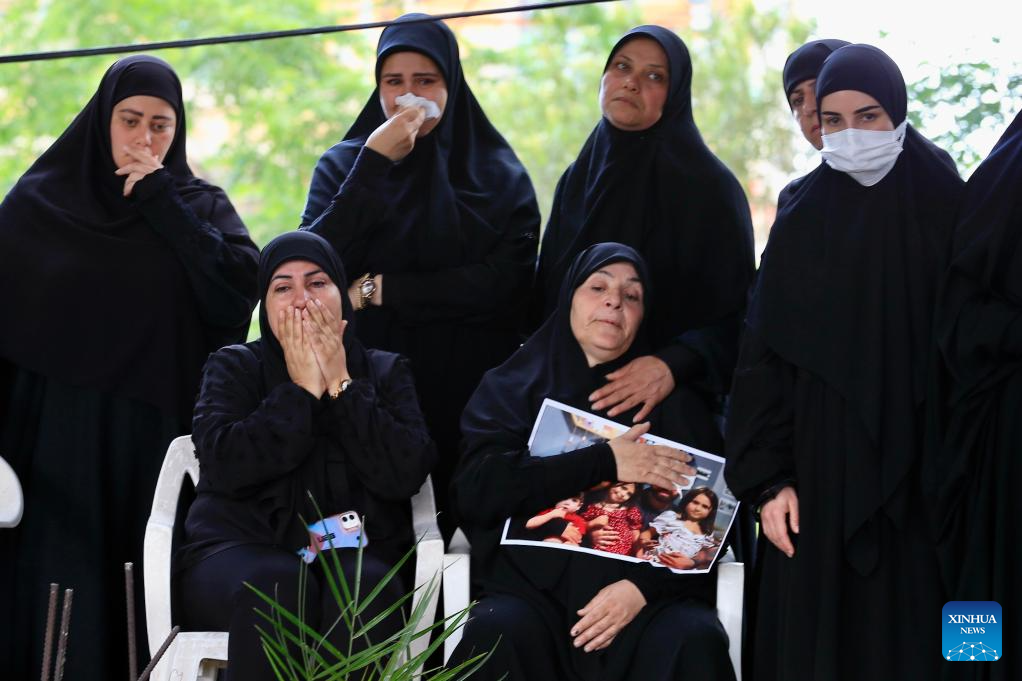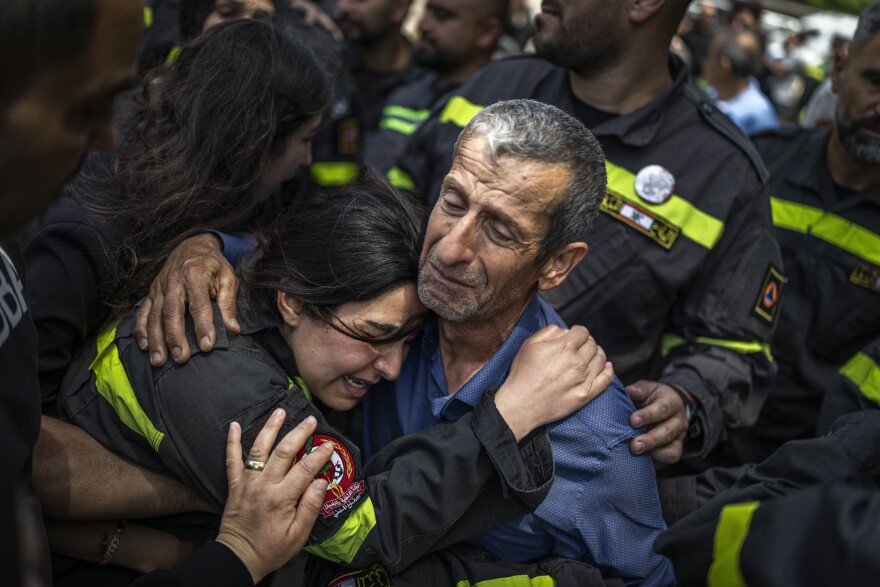
The perilous environment for humanitarian workers and journalists in southern Lebanon was starkly showed on May 12, when Hussein Jaber, 32, and Ahmad Noura, 45, were tragically killed by an Israeli drone in Nabatieh. This devastating incident occurred despite a ceasefire between Israel and Lebanon that had been initiated in April, aiming to de-escalate hostilities along the border. However, the fragile nature of this agreement has been evident, with reports indicating that more than 380 people have been killed since the ceasefire began. The relentless and ongoing attacks have created a situation so severe that it has made it impossible to bury Jaber and Noura in their own villages, necessitating alternative arrangements for their final resting place. This grim reality notes the profound impact of the conflict on personal lives and cultural practices, forcing families to make difficult decisions under duress.
Deadly Duty and Mounting Losses
The circumstances surrounding the deaths of Hussein Jaber and Ahmad Noura exemplify the extreme risks faced by those dedicated to saving lives. They were killed while attempting to rescue a man wounded in another Israeli strike moments before their own vehicle was hit, a testament to their unwavering commitment to their duty. A third medic traveling with Jaber and Noura also sustained injuries during the same harrowing incident, further illustrating the immediate danger inherent in their work. This was not an isolated event; separately, three Lebanese Civil Defense paramedics, Hadi Daher, Hussein Al-Sati, and Hussein Ghadbouni, tragically lost their lives due to Israeli strikes in southern Lebanon on April 30, while responding to a strike in Majdal Zoun. The repeated targeting of first responders has raised significant concerns among international bodies and humanitarian organizations, prompting calls for greater protection for those working in conflict zones.
The dangers extend beyond medical personnel. Amal Khalil, a journalist for the Lebanese daily newspaper Al-Akhbar, was also killed in an Israeli strike in the southern town of Baisariyah, showing the broad spectrum of individuals caught in the crossfire. These incidents collectively highlight the profound and escalating dangers faced by individuals providing essential services and reporting on the conflict in southern Lebanon. The escalating violence continues to claim civilian lives, including those dedicated to humanitarian aid, medical care, and independent journalism, all of whom play key roles in documenting and alleviating suffering in times of crisis. The systematic disruption of these vital services has broad consequences for the civilian population.
Context of the Conflict
The current hostilities have taken a heavy toll on emergency services. Over 100 first responders have been killed in Israeli airstrikes since the war between Israel and Hezbollah began on March 2. This alarming figure reflects the intense and often indiscriminate nature of the conflict. Israel has repeatedly accused Hezbollah of using ambulances and medical facilities for military purposes, claims that Lebanon's health ministry has consistently denied. These accusations and counter-accusations often complicate humanitarian efforts and can lead to a further erosion of trust, making it even more challenging for first responders to operate safely and effectively. The Lebanese government has vehemently refuted these allegations, asserting the neutrality and civilian nature of its medical infrastructure and personnel.
Official Lebanese figures paint a grim picture of the conflict's impact, indicating that Israeli attacks have killed at least 2,896 people in Lebanon and displaced nearly a million people from the south since the war began. The scale of displacement alone represents a significant humanitarian crisis, putting immense strain on resources and infrastructure in safer areas. The reverberations of this conflict are also felt in other regions; Gaza's health ministry reported that Israeli attacks killed more than 1,700 medical personnel and first responders during the conflict there, drawing stark parallels between the risks faced by these essential workers across different theaters of operation. The ongoing hostilities have significantly impacted humanitarian operations and civilian populations in both regions, creating an urgent need for de-escalation and adherence to international humanitarian law. The loss of medical staff and the destruction of health facilities severely cripple the ability to provide critical care to those injured or displaced by the violence.
Echoes of Gaza and Personal Grief
The devastating impact of the conflict on individuals and families is profoundly felt. Hussein Jaber and Ahmad Noura were killed after rushing to the scene of an earlier strike in Nabatieh, southern Lebanon, embodying the selfless dedication characteristic of first responders. Following their deaths, the bodies of Jaber and Noura were transferred from Nabatieh to a burial site in Haret Saida, near Sidon, a somber journey necessitated by the ongoing dangers in their home villages. Separately, first responders Hadi Daher, Hussein Al-Sati, and Hussein Ghadbouni were killed while responding to a strike in Majdal Zoun, noting the widespread threat that permeates the region. During the same attack in Majdal Zoun, freelance photojournalist Zeinab Faraj sustained injuries, further showing the dangers faced by those documenting the conflict.
The conflict is not one-sided, and both parties have reported casualties. Israel states that Hezbollah's strikes since March have killed 18 Israeli soldiers and four Israeli civilians, demonstrating the reciprocal nature of the violence and the toll it takes on all sides. The escalating exchanges of fire continue to inflict suffering on communities across the border, perpetuating a cycle of violence that shows little sign of abatement. The human cost of this conflict, measured in lives lost, injuries sustained, and communities uprooted, continues to mount, demanding urgent attention from the international community to protect civilians and ensure the safety of those bravely responding to emergencies. The plight of first responders, who often put their own lives at risk to save others, serves as a poignant reminder of the enduring human tragedy unfolding in the region.