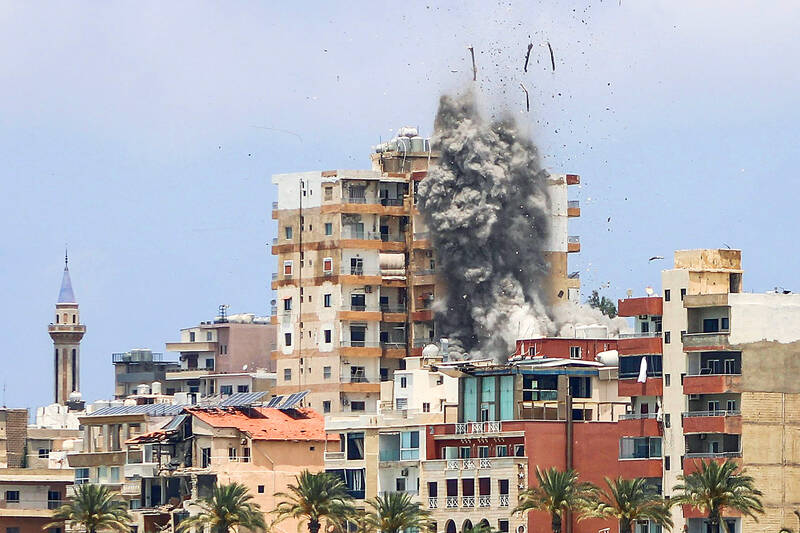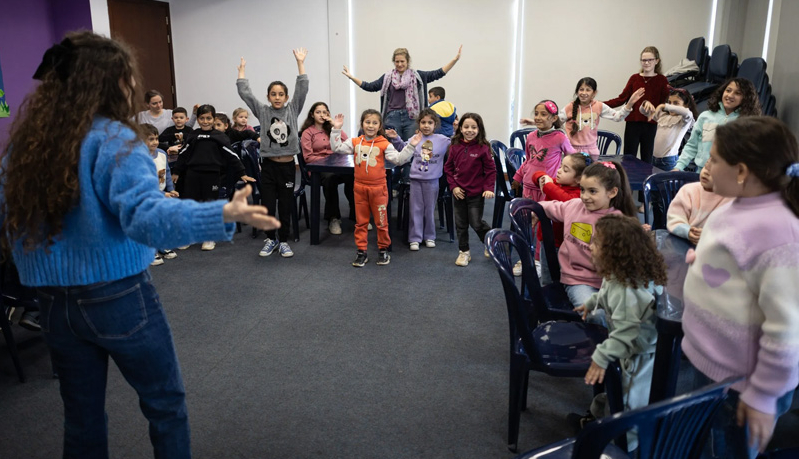
Eight-year-old Grace and her family sought refuge at the Arab Baptist Theological Seminary (ABTS) in Beirut after fleeing their coastal home near the southern city of Tyre when war erupted in Lebanon in March. Her family has been staying at ABTS for nearly three months, part of a larger displacement crisis that has profoundly impacted countless lives. At its peak, more than 300,000 children were among the 1.2 million people displaced within the country, grappling with the sudden upheaval and loss. Grace, like other children at the seminary, participated in lessons designed to help them process their experiences and begin the journey of emotional recovery. "Lessons... Taught them how to understand and express their feelings," a report stated, adding that "the children were not only hearing the lessons. They were using what they learned," demonstrating the practical application of the support provided. Grace, reflecting on her understanding of belonging and security amidst the chaos, expressed her understanding of home, saying, "Family is where home is."
Widespread Displacement and Trauma
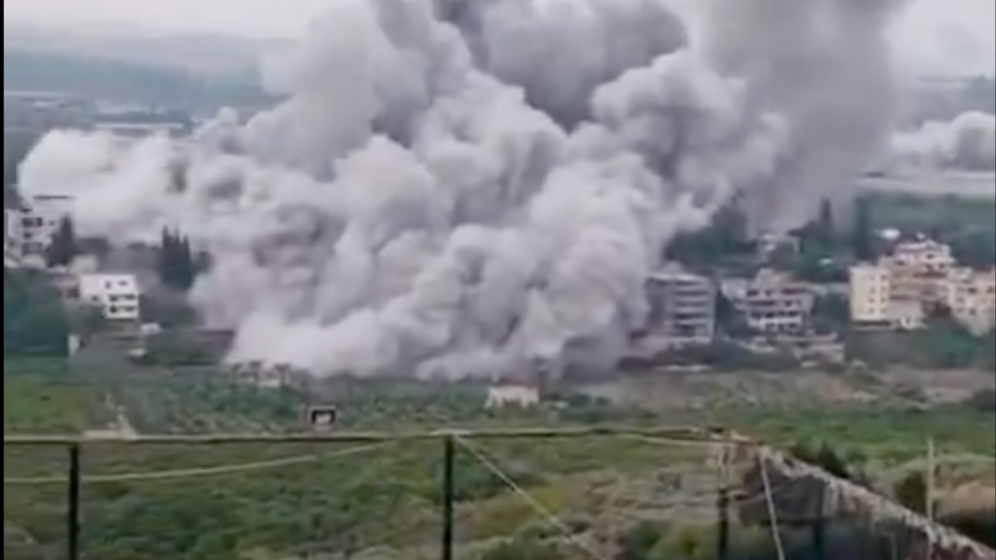
Grace's displacement marks her second in less than two years, noting the repeated disruptions faced by many children in Lebanon, a stark reality for those living in conflict zones. Conflict has resulted in extensive displacement across the country, forcing families to abandon their homes and livelihoods in search of safety. At the height of the war, more than 300,000 children were among the 1.2 million people displaced from their homes, according to a report, showing the vast scale of the humanitarian challenge. The trauma of war manifested in various ways among the young evacuees, revealing the deep psychological impact of their experiences. One boy from southern Lebanon, for example, exhibited visible distress, with shaking hands and crying, whenever airstrikes were heard, a clear indication of the fear and anxiety he carried.
The Arab Baptist Theological Seminary (ABTS) offered specialized support for these children, recognizing the unique needs of young people exposed to conflict. Lessons at the seminary taught them how to understand and express their feelings, a report stated, providing key tools for emotional processing. The children were not only hearing the lessons, but actively engaging with the material. They were using what they learned, the report added, indicating the practical application of the emotional support provided and its effectiveness in helping them cope. For some, returning home remains impossible due to the lasting devastation of the conflict. Around 20 children remained displaced because going home was unsafe or their homes were damaged or destroyed, leaving them in a state of prolonged uncertainty. Grace, reflecting on her experiences and the meaning of security, defined home by saying, "Family is where home is."
Ministry's Healing Activities
Thimar’s "Salt and Light" children and youth ministry organized a range of programs designed to support the displaced children at the seminary, creating a nurturing environment for healing. These activities included worship sessions, Bible stories, crafts, games, songs, and conversations, providing a structured environment for healing and engagement that addressed both their spiritual and emotional needs. More than 50 children at the Arab Baptist Theological Seminary (ABTS) from across Lebanon have been affected by displacement, according to the ministry, noting the broad reach of the crisis and the seminary's efforts. A report noted that "at the height of the war, more than 300,000 children were among the 1.2 million people displaced," emphasizing the widespread impact on the country's youth. The programs aimed to address the emotional and psychological impact of their experiences, fostering resilience and a sense of normalcy in challenging circumstances.
The curriculum deliberately incorporated lessons focused on emotional processing, understanding that acknowledging and expressing feelings is key for healing. "Lessons... Taught them how to understand and express their feelings," a report stated, emphasizing the practical application of the teachings and their direct relevance to the children's trauma. The children actively engaged with these lessons, demonstrating their utility and their eagerness to learn coping mechanisms. "The children were not only hearing the lessons. They were using what they learned," the report added, indicating the effectiveness of the ministry's approach in helping the young evacuees cope with their trauma and build emotional intelligence. Following a ceasefire agreement reached in mid-April, some children were able to return to their homes, marking a partial return to normalcy for families affected by the conflict, though many challenges remained.
Finding Safety and Hope
The Arab Baptist Theological Seminary (ABTS) offered refuge to approximately 200 displaced individuals, including Grace's family, providing a vital sanctuary during a time of intense instability. While some children could return home after a mid-April ceasefire, offering a glimmer of hope, at least 130,000 people remain displaced across Lebanon due to ongoing fighting and an Israeli occupation in the country's south, indicating the protracted nature of the crisis. A report indicated that at the height of the war, more than 300,000 children were among the 1.2 million people displaced, a staggering number that shows the profound human cost of the conflict.
The conflict's impact on children was evident in their expressions and drawings, which often revealed the hidden depths of their pain and fear. One child, asked to illustrate their happy place, drew a rocket and explained, "They bombed my happy place; my house," a stark response that showed the deep trauma experienced by young evacuees and the destruction of their sense of security. Grace, reflecting on her own experiences and the fundamental need for stability, defined home by saying, "Family is where home is." Lessons at the seminary taught children how to understand and express their feelings, according to a report, providing them with essential tools for emotional recovery. Children were actively engaged in these teachings, with the report noting, "The children were not only hearing the lessons. They were using what they learned," demonstrating the profound impact of the seminary's efforts in fostering healing and resilience among the displaced youth.