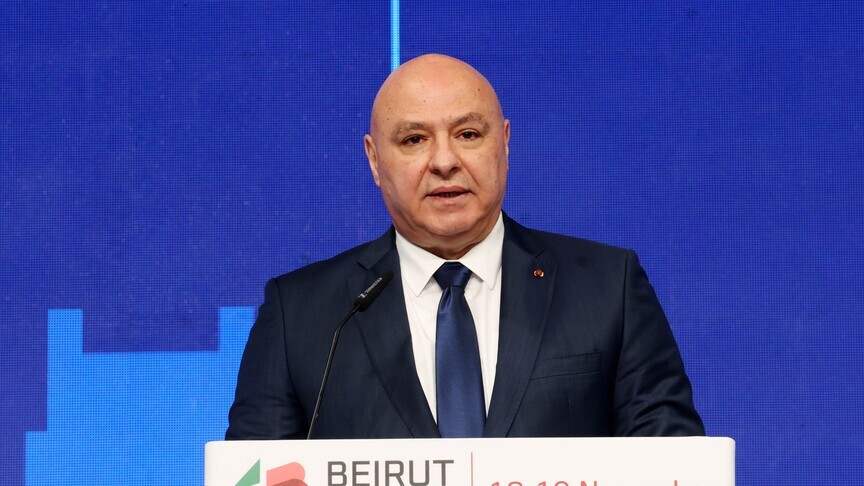
Lebanese President Joseph Aoun is reportedly intensifying contacts with the United States, Arab states, and other "friendly" countries to exert pressure on Israel. These diplomatic efforts aim to solidify a ceasefire, which Lebanon views as a priority before addressing any other files. President Aoun's outreach is a concerted effort to leverage international influence, particularly from key global players and regional allies, to de-escalate the ongoing conflict. Lebanon has informed US mediators that the ceasefire represents the "main key for any upcoming steps," showing its critical importance to any future stability or negotiation. A high-level meeting is anticipated in Washington on May 29, where both Lebanese and Israeli officers are expected to be present to discuss the complex and volatile situation. This upcoming meeting is seen as a key opportunity to advance discussions on the ceasefire and related security arrangements.
Technical Talks and Ceasefire Priority
The US-sponsored security track negotiations between Lebanon and Israel remain "technical-military" talks focused on field measures, according to a senior Lebanese official source. The source indicated that discussions center on Israel’s withdrawal from territories it recently occupied, a key demand from the Lebanese side. A significant aspect of these discussions involves the deployment of the Lebanese army in those areas from which Israel would withdraw, aiming to establish a clear and recognized security presence. Reinforcing the ceasefire is explicitly stated as a critical priority before moving to any other files or broader political discussions. This sequential approach emphasizes Lebanon's immediate concern for ending hostilities. The upcoming Washington meeting will operate strictly within a "technical military framework" to discuss these field steps, noting the practical and operational nature of the anticipated talks.
The latest round of negotiations between the parties took place on May 14-15, where a draft "declaration of intent" related to the negotiation track was discussed. This draft aimed to lay the groundwork for future cooperation and understanding between the two sides. However, the senior Lebanese official source noted that the consultations "have not yet reached final results," indicating that significant hurdles remain despite ongoing efforts. The US-mediated ceasefire formally came into effect on April 17, providing a temporary halt to hostilities. This initial ceasefire was subsequently extended until the beginning of July, offering a brief window for diplomatic efforts. Lebanon is continuing contacts with "friendly" Arab and foreign countries as it seeks to pressure Israel into solidifying the ceasefire, believing that sustained international pressure is essential for a lasting cessation of hostilities. These ongoing diplomatic overtures reflect Lebanon's commitment to finding a peaceful resolution and protecting its sovereignty.
Conflicting Demands and Ongoing Attacks
Conflicting demands have emerged regarding the cessation of hostilities, according to a senior Lebanese official source. The source stated, "Israel demands Hezbollah stop fire first, while Hezbollah insists that ongoing Israeli attacks on Lebanon must stop before any reciprocal step." This fundamental disagreement forms a major sticking point in negotiations, creating a difficult environment for progress. The official further emphasized the difficulty of continued negotiations under current conditions, adding, "It is not possible to continue amid the ongoing violations and attacks on Lebanon." This statement shows the Lebanese perspective that a conducive environment for talks requires an end to military aggression. Despite the US-mediated ceasefire, which formally came into effect on April 17, Israeli attacks across Lebanon have continued, undermining the fragile truce. Israel has carried out a large-scale offensive on Lebanon since March 2, contributing to the persistent violations and attacks and exacerbating tensions in the region. These continued military actions make diplomatic breakthroughs increasingly challenging.
Humanitarian Impact of Offensive
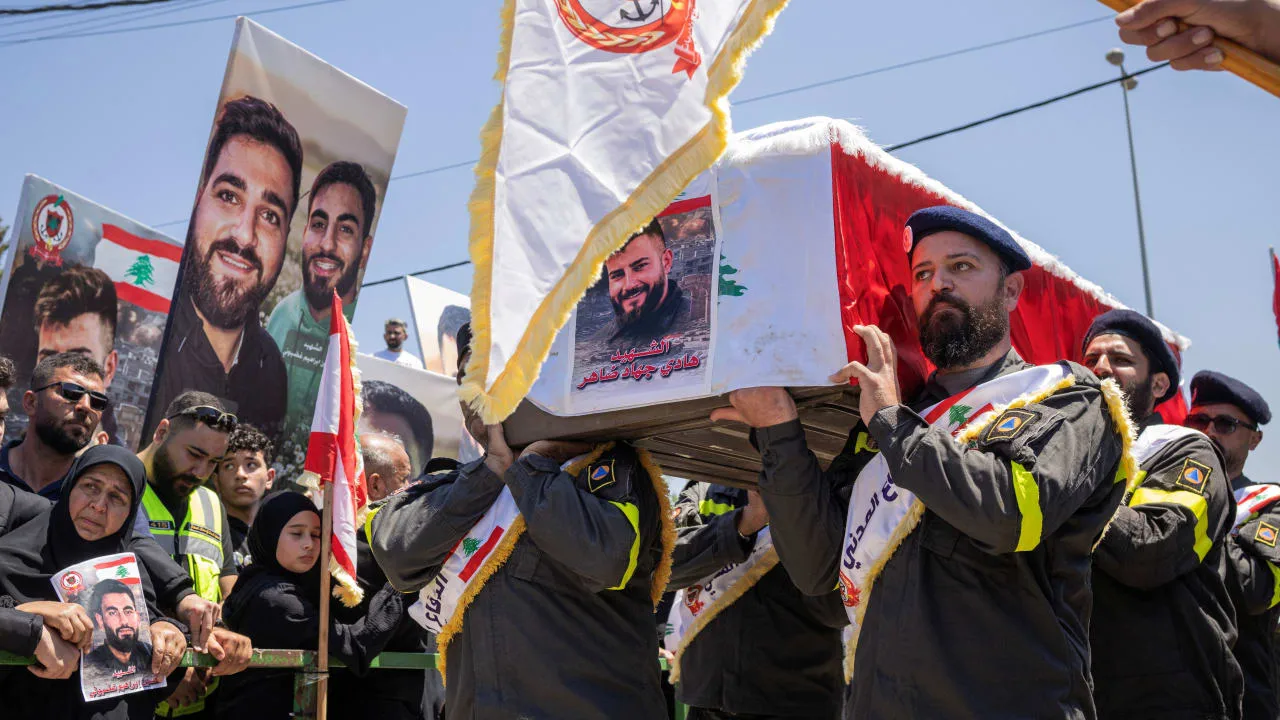
The ongoing offensive has led to a significant humanitarian toll, with 3,073 people reported killed across Lebanon since the large-scale offensive began on March 2. Additionally, 9,362 others have been wounded in the escalating conflict, stretching medical resources and infrastructure. The displacement crisis has intensified dramatically, affecting more than 1.6 million people who have been forced to flee their homes and seek safety elsewhere. This displaced population now represents approximately one-fifth of Lebanon's total population, indicating the extensive reach of the humanitarian impact across the country and noting the severe disruption to daily life for a substantial portion of its residents. The scale of displacement places immense pressure on social services and aid organizations, further compounding the challenges faced by the Lebanese government and its people.