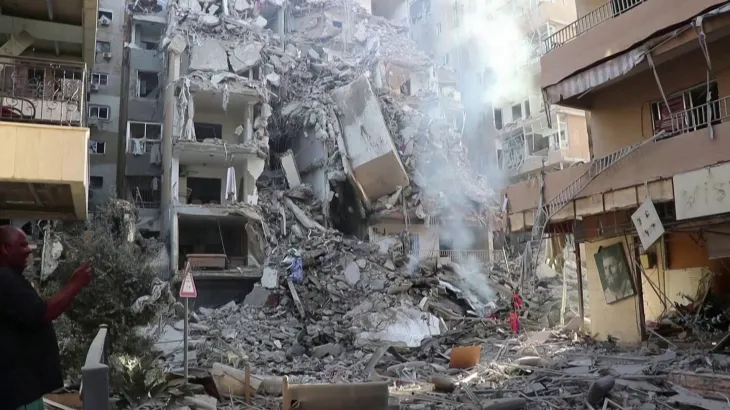
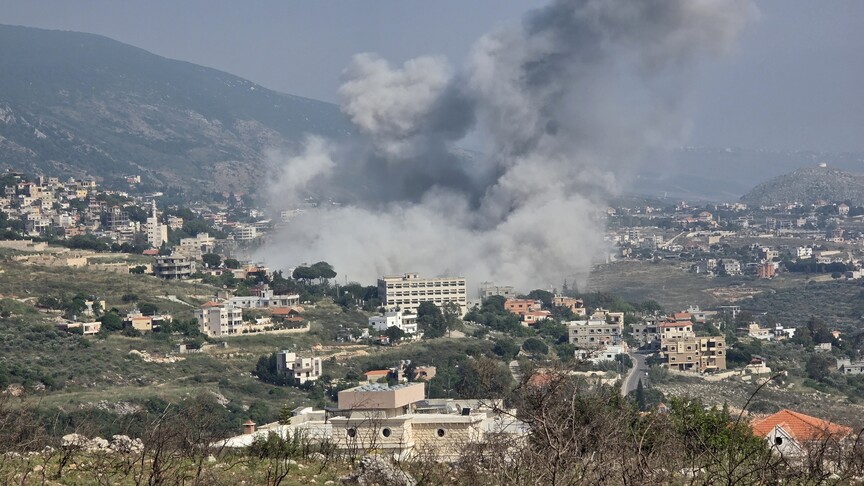
Lebanon is actively pursuing the establishment of an international force to assume the responsibilities currently held by the United Nations Interim Force in Lebanon (UNIFIL), as the latter's mandate is scheduled to conclude later this year. This diplomatic initiative comes at a time of heightened regional tensions, showing the critical need for a continued international security presence in the volatile border area between Lebanon and Israel. UNIFIL has played a key role as a buffer between Lebanon and Israel since its initial establishment in 1978, working to maintain stability and prevent escalation in a historically conflict-prone region. The potential replacement of this long-standing mission reflects evolving geopolitical dynamics and Lebanon's strategic objectives for its southern border.
UNIFIL's Role and Mandate
The operational framework and scope of UNIFIL were significantly expanded and reinforced by United Nations Security Council Resolution 1701. This landmark resolution, adopted in 2006, provided the full basis for ending the intense conflict that erupted between Israel and Hezbollah during that year. Beyond its role in the 2006 cessation of hostilities, this same resolution later proved instrumental in forming the foundation for a subsequent truce in 2024. This more recent agreement successfully halted a further round of fighting that had broken out between Israel and Hezbollah, demonstrating the enduring relevance of Resolution 1701 in de-escalating conflicts in the region.
Currently, UNIFIL peacekeepers are strategically deployed across south Lebanon. Their operational zone extends along the Blue Line, which is the 120-kilometre (75-mile) de facto border that delineates the separation between Lebanon and Israel. This area is a sensitive flashpoint, making the presence of international peacekeepers key for monitoring and preventing border incursions and other incidents. The mission presently comprises approximately 7,500 peacekeepers, who are drawn from nearly 50 different countries, noting the broad international commitment to stability in this part of the Middle East. These peacekeepers perform vital tasks, including monitoring the cessation of hostilities, assisting the Lebanese Armed Forces, and ensuring humanitarian access. Their presence serves as a deterrent against renewed conflict and helps to build confidence between the parties.
Lebanon's Diplomatic Push
Lebanon has clearly articulated its preference for maintaining "an international presence under the umbrella of the UN" even after the United Nations Interim Force in Lebanon (UNIFIL) mandate officially concludes on December 31. This statement, conveyed by a Lebanese official who requested anonymity to AFP, serves to clarify Beirut's overarching diplomatic objective for ensuring a continued international security footprint in the region. This stance shows Lebanon's recognition of the ongoing need for external oversight and peacekeeping efforts to manage the delicate security situation along its southern border. The Lebanese government's proactive engagement in this matter reflects its commitment to national security and regional stability.
In line with this diplomatic strategy, several European nations have already expressed their willingness to maintain their military presence in Lebanon, signaling a potential continuity in international support. Notably, Italy, France, and Spain have all explicitly indicated their readiness to contribute forces to any successor mission or adapted international presence. Lebanon's extensive diplomatic efforts have also reached out to Germany, a significant European power. In February, Lebanese President Joseph Aoun specifically asked Germany to play a "key role" in the region following UNIFIL's potential departure. This appeal notes Lebanon's desire to secure strong and broad-based international backing for its security arrangements, seeking to leverage Germany's influence and capabilities in peacekeeping operations. The engagement of multiple European states suggests a concerted international effort to support Lebanon's stability.
External Pressures and Concerns
The future of UNIFIL has been a subject of considerable debate and diplomatic maneuvering. Last year, both Israel and the United States actively advocated for the termination of the UNIFIL mandate at the Security Council. This concerted push occurred as the international body deliberated the mission's future, taking into account the complex and often volatile regional dynamics. Their arguments likely centered on perceived inefficiencies or the evolving nature of the security challenges, although specific details of their objections were not publicly elaborated in this context. Such calls for termination show the differing perspectives among key international actors regarding the most effective means of ensuring security in southern Lebanon.
In response to the ongoing discussions and the impending expiration of the current mandate, the UN secretary-general is scheduled to submit a full report to the Security Council by June 1. This key report is widely anticipated to provide a thorough assessment of the prevailing situation in the region and to offer concrete recommendations regarding the future of the peacekeeping presence in Lebanon. The recommendations will be critical in shaping the Security Council's decision-making process as the current UNIFIL mandate approaches its December 31 expiration. The report will likely analyze the security environment, the effectiveness of current operations, and potential options for future international engagement, including the structure and composition of any new force.
It is important to note the presence of another long-standing international observation mission in the region: the United Nations Truce Supervision Organization (UNTSO). Established in 1948, UNTSO operates as a regional peacekeeping operation, predating UNIFIL by three decades. UNTSO maintains a small, unarmed contingent in Lebanon, which is distinct from UNIFIL's more strong peacekeeping operations. Its presence and mandate serve a different, long-standing observation role in the region, primarily focused on monitoring armistice agreements and assisting with various UN peacekeeping missions. The continued presence of UNTSO notes the enduring need for international monitoring in the Middle East, even as the specific mandates and structures of larger missions like UNIFIL are reviewed and potentially revised. The discussions surrounding UNIFIL's future are thus part of a broader, continuous international effort to maintain peace and security in a persistently challenging geopolitical landscape.