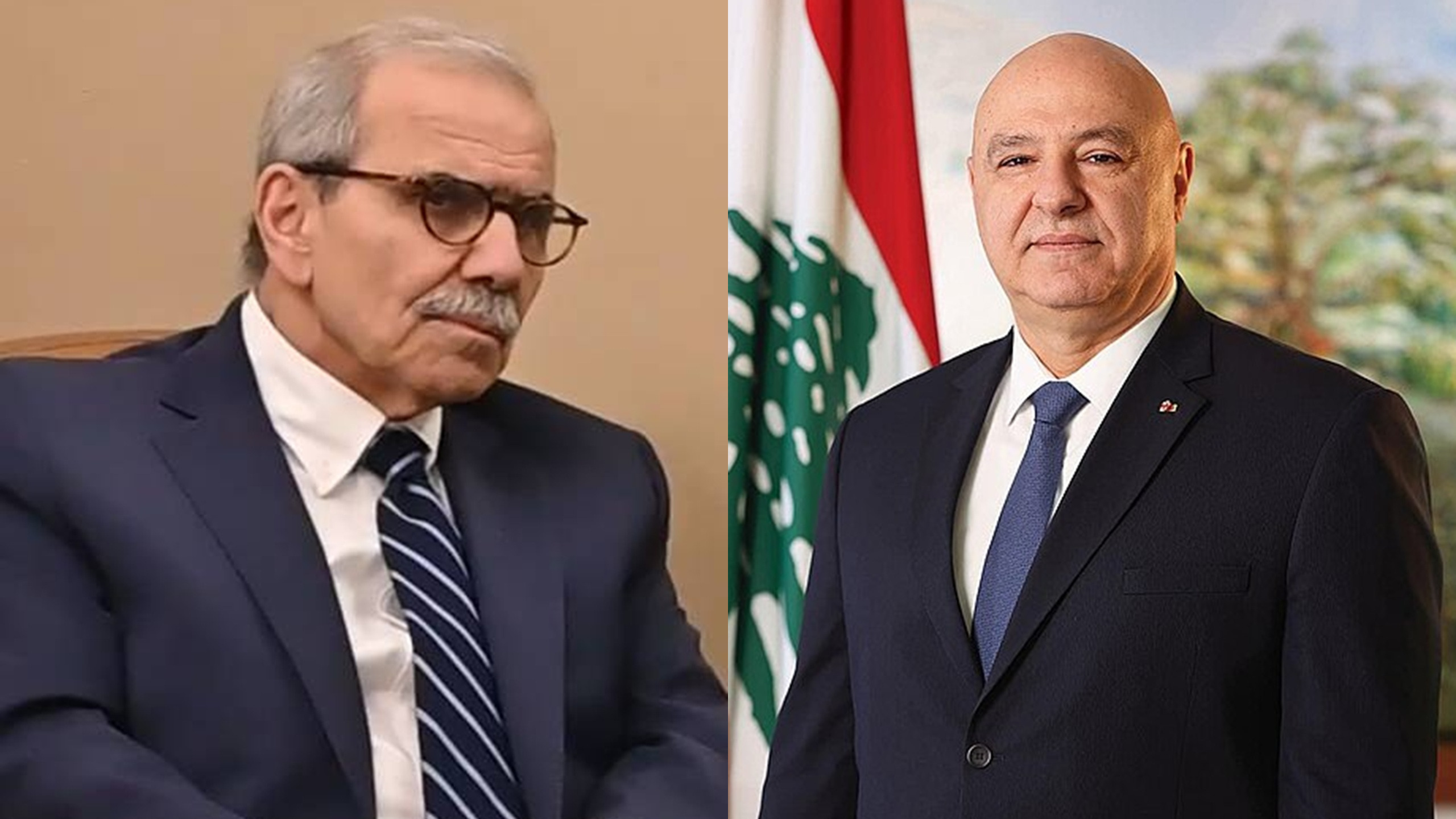
Israeli forces began withdrawing Tuesday from parts of the southern Lebanese town of Zawtar al-Gharbiyah. This initial withdrawal marks a significant development in the ongoing efforts to stabilize the region. Concurrently, Joseph Aoun declared Lebanon’s intention to cease hostilities with Israel, signaling a potential shift in the long-standing conflict. Aoun also stated that Lebanon aims to disarm Hezbollah, a move that could significantly alter the internal political and security landscape of the country. These developments come as Lebanon seeks a complete Israeli withdrawal from its territory amid a diplomatic push by the United States, indicating a concerted international effort to resolve the protracted dispute.
Southern Lebanon Withdrawal
Lebanese Prime Minister Nawaf Salam visited Zawtar al-Gharbiyah, describing the ongoing withdrawal as "a national moment with significant political and moral dimensions." His presence showed the importance of the event for Lebanese sovereignty and national pride. He stated that the withdrawal is part of a US-brokered framework agreement, representing the first implementation of the agreement’s “pilot areas” arrangement. This arrangement designates specific zones for initial withdrawal, setting a precedent for future disengagements. Salam added that "all political and diplomatic efforts" are being expended to ensure the cessation of hostilities, noting the full approach being taken by the Lebanese government. Lebanese army and security personnel were deployed to Zawtar al-Gharbiyah to protect civilians during the process, ensuring the safety and security of residents as Israeli forces departed. The deployment of these forces also aimed to establish Lebanese state authority in the newly vacated areas. The Lebanese army subsequently reported an incident where Israeli forces opened fire toward its troops in the area, raising concerns about potential flashpoints during the withdrawal process. This incident occurred shortly after the initial movements of Israeli troops from the town.
US-Lebanon Diplomatic Talks
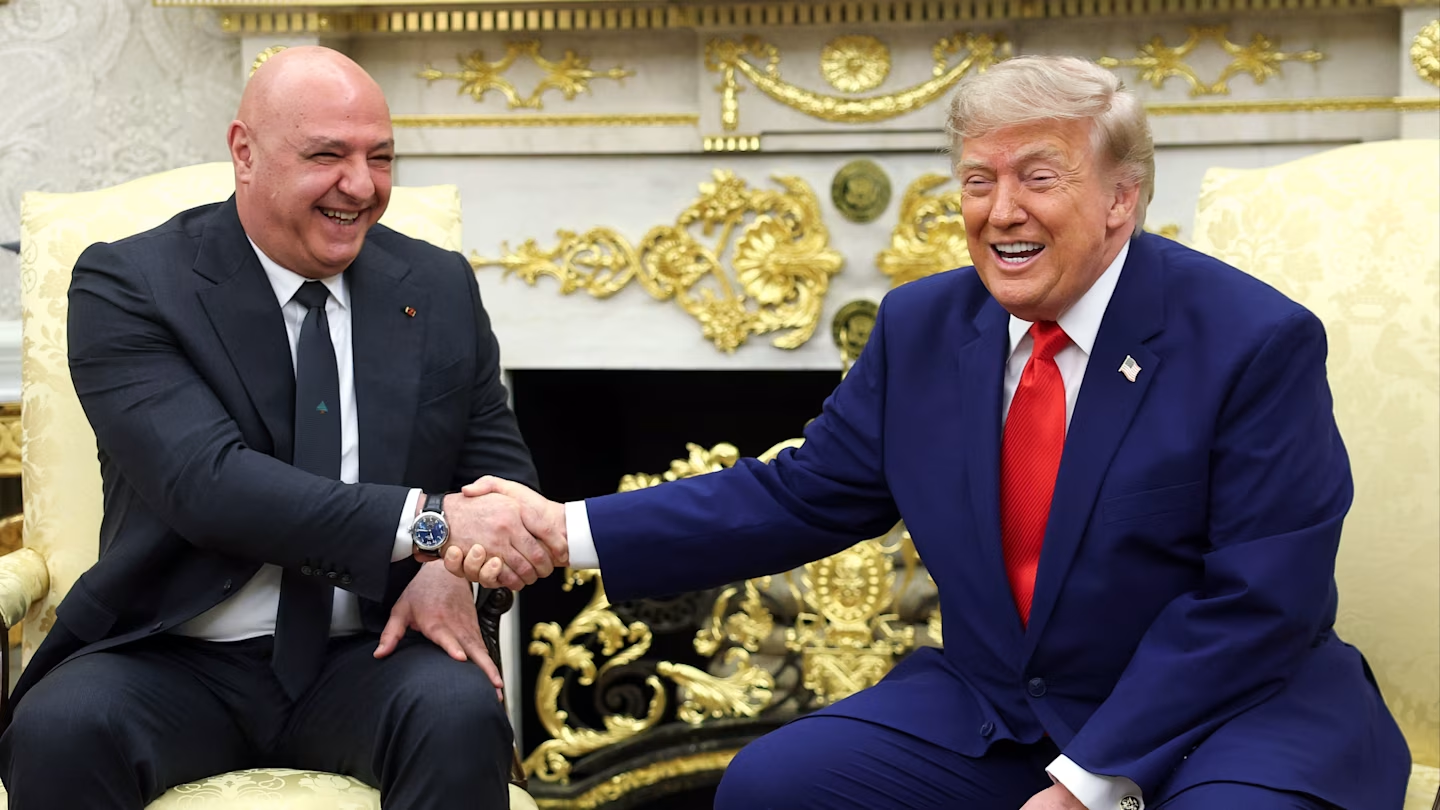
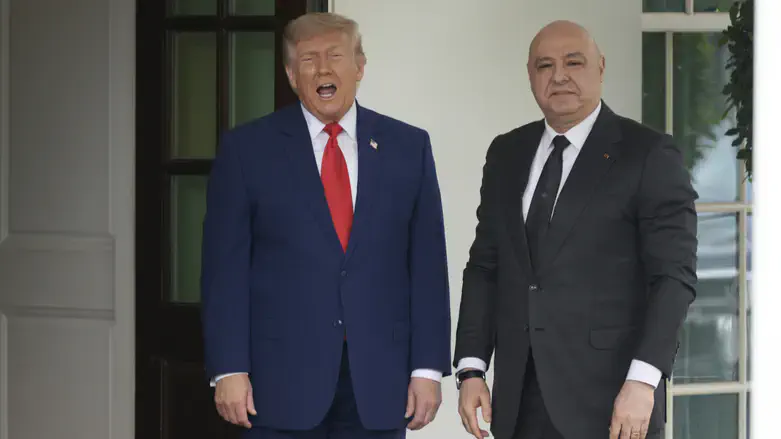
President Joseph Aoun met with President Trump at the White House on Tuesday, engaging in high-level discussions regarding the future of Lebanon and its relations with regional powers. Following the meeting, President Trump announced on Truth Social that he had directed his administration to allow the restoration of direct commercial air service between the United States and Lebanon. This decision marks the end of a suspension that had been in place for more than 40 years, a move expected to boost economic ties and facilitate travel between the two nations. The suspension, which had severely limited direct connections, was a significant barrier to trade and tourism.
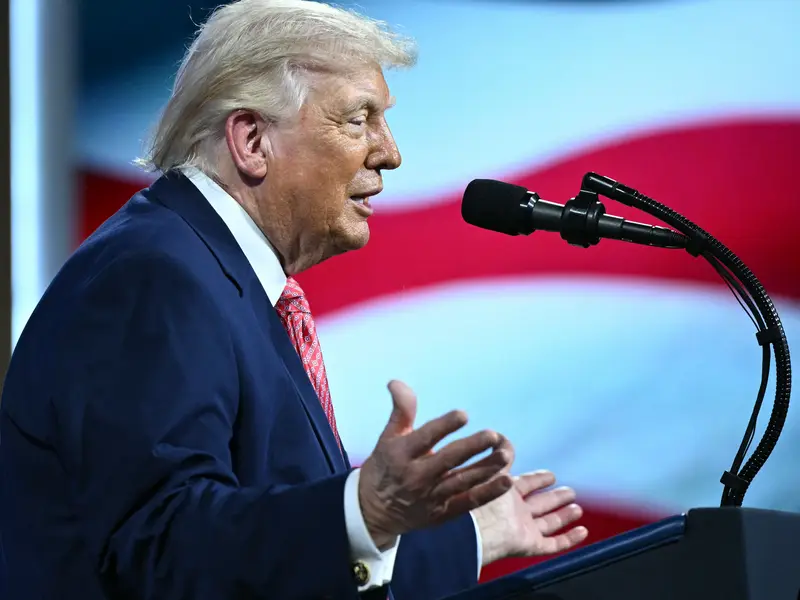
President Trump described Lebanon as "a very mistreated country" that has been "hit hard," acknowledging the numerous challenges the nation has faced. He also addressed the issue of speaking with Hezbollah, stating, "If the president wanted me to speak to Hezbollah, I would." This statement showed his willingness to engage with all parties, even those considered controversial. He further elaborated on his willingness to engage with various parties, saying, "I would speak to Hezbollah. I speak to everybody. I’ll speak to people that a lot of people think I shouldn’t be speaking to, and things work out." This diplomatic stance suggests a pragmatic approach to conflict resolution. Hezbollah, however, has rejected disarmament and opposes Lebanese negotiations with the United States, complicating efforts to achieve a full peace agreement. This opposition notes the deep divisions within Lebanon regarding its foreign policy and security arrangements.
Regional Dynamics and Future
Beirut will continue “all political and diplomatic efforts” to secure a full Israeli withdrawal from all Lebanese territory, Lebanese Prime Minister Nawaf Salam stated. This commitment reflects Lebanon's unwavering stance on its territorial integrity and sovereignty. Salam reiterated that Lebanon is dedicating "all political and diplomatic efforts" to achieve this goal, emphasizing the full strategy being employed. The Lebanese army began deploying in the area, establishing a presence following the initial Israeli withdrawal, a critical step in asserting state control. Concurrently, the Lebanese government began mobilizing resources to support residents returning to southern Lebanon, demonstrating its commitment to the welfare of its citizens. Authorities are working to reopen roads, remove rubble, restore basic services, reconnect water, electricity and telecommunications, and provide temporary housing for those displaced, addressing the immediate needs of the returning population. These efforts are key for the long-term recovery and stability of the affected areas. Meanwhile, the Israel Defense Forces stated its soldiers fired "warning shots" in the direction of Lebanese troops during an incident in the area following the withdrawal, clarifying their account of the engagement. This incident shows the delicate nature of the disengagement and the potential for misunderstandings or escalations.