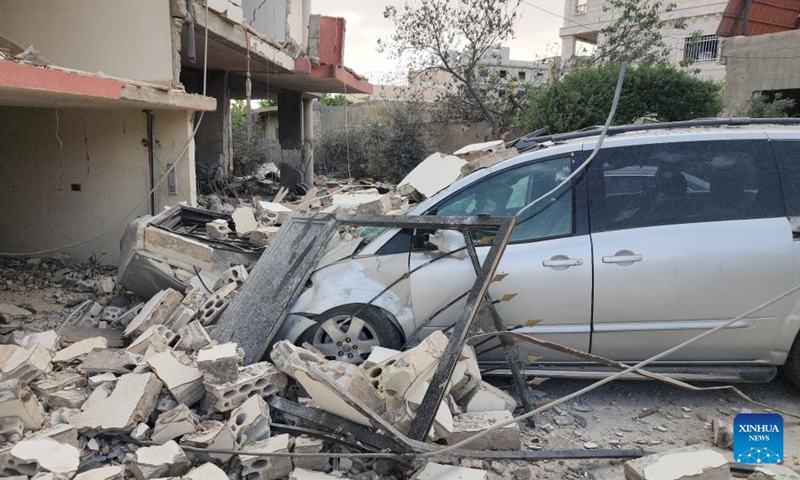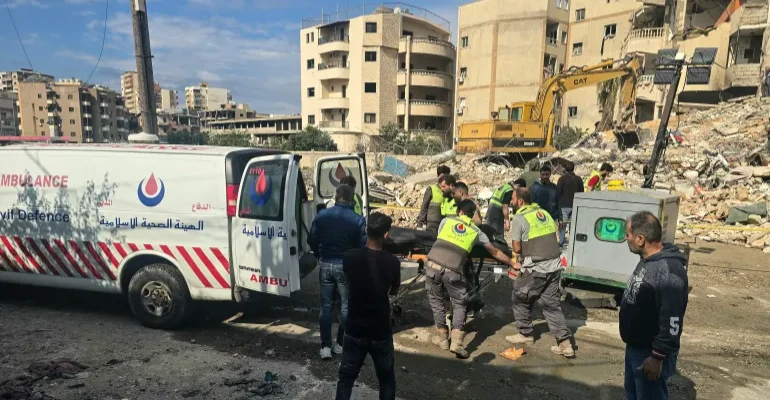
Israeli attacks in Lebanon have resulted in the deaths of approximately 116 medical workers and injuries to 263 others since March 2, according to figures released by the Lebanese Health Ministry on Wednesday. The escalating conflict has seen continued Israeli airstrikes and artillery shelling across several southern Lebanese districts. Lebanese media reported sustained military activity targeting areas within Tyre, Bint Jbeil, and Nabatieh districts. The ongoing operations have significantly impacted the medical community in the region, raising concerns about the accessibility and safety of healthcare services. The reported casualties among medical personnel show the severe risks faced by those providing essential care in conflict zones.
Healthcare Infrastructure Under Fire
The Lebanese Ministry of Public Health, which announced these figures on Wednesday, has recorded 147 attacks on ambulance teams during the recent escalation. These attacks resulted in damage to 139 ambulances, according to ministry figures, which detailed the widespread impact on emergency services. Additionally, strikes were recorded on 31 health centers across the affected areas, further compromising the healthcare infrastructure. The ministry's data provides a grim picture of the challenges faced by medical responders and facilities operating under constant threat.
The conflict has also led to disruptions affecting 16 hospitals, with three of these facilities ultimately forced to suspend their operations due to damage or insecurity. The closure of these hospitals has undoubtedly strained the remaining medical resources and limited access to critical care for the affected population. In a separate incident, an Israeli drone strike reportedly killed one person targeting a motorcycle on the Burj al-Shamali road in Tyre district. This specific event notes the diverse nature of the attacks and their direct impact on civilians and infrastructure.
Broader Conflict Escalation
Lebanese authorities have documented more than 8,500 Israeli raids across the country since March 2, indicating a broader escalation of military activity. The intensified operations have been reported amid ongoing cross-border hostilities, signaling a significant increase in the scope and frequency of engagements. These raids encompass a range of military actions, contributing to the overall instability in the region and posing continuous threats to civilian life and infrastructure. The sheer number of documented raids shows the sustained nature of the conflict.
Hezbollah announced it carried out two new attacks targeting Israeli forces. The group stated these actions were in retaliation for recent Israeli ceasefire violations and strikes on southern Lebanese villages. Hezbollah's statements noted a continued response to perceived aggressions, indicating a tit-for-tat dynamic in the ongoing conflict. These retaliatory actions contribute to the cycle of violence and further escalate tensions along the border.
Among the reported actions, Hezbollah shelled Israeli troop and vehicle gatherings near Deir Siryan. This specific engagement shows the direct military confrontations occurring in the border region. The shelling targeted concentrations of Israeli personnel and equipment, according to Hezbollah, demonstrating the group's intent to engage Israeli forces directly. The strategic targeting of military assets reflects the ongoing tactical maneuvers employed by both sides in the conflict.
Israeli Preparedness
Israeli health authorities reported that 1,043 Israeli officers and soldiers have been wounded since fighting resumed on the Lebanese front. Of this total, 59 personnel are in serious condition, and 122 have sustained moderate injuries, according to the authorities' figures. These statistics reflect the human cost of the conflict on the Israeli side, indicating the intensity of the cross-border exchanges and the challenges faced by Israeli forces. The varying degrees of injury highlight the diverse impact of military engagements.
Ongoing Military Alert
The Lebanese Health Ministry announced on Wednesday that Israeli raids in the country have killed 3,073 people and wounded 9,362 others, including women and children. This official count details the profound human cost of the ongoing military activity, emphasizing the significant impact on the civilian population. The inclusion of women and children among the casualties notes the non-discriminatory nature of conflict in populated areas. In a separate development, Hezbollah claimed responsibility for targeting a Merkava tank near al-Taybeh with a suicide drone. The group stated the drone achieved a direct hit on the Israeli military vehicle, indicating continued direct engagements along the border and the use of advanced weaponry in the conflict. This incident further illustrates the dynamic and evolving nature of the military confrontations.